So you’ve found a “super rare variegated monstera” for $350 on Facebook Marketplace. Congrats—you’re either about to score a treasure or flush months of your Starbucks addiction down the toilet.
Here’s how to make sure you’re getting the real deal.
1. Start With Trusted Marketplaces#
The internet is a jungle (and not the good kind). Stick to verified communities and marketplaces that enforce seller accountability.
| Platform | What Makes It Safe(ish) | Pro Tips |
|---|---|---|
| 🪴 Etsy | Seller reviews, photos, and refund policies. | Sort by “Top Star Seller” and look for real plant photos (not Pinterest clones). |
| 🌱 Facebook Plant Buy/Sell/Trade Groups | Tight-knit collector communities with moderators. | Search group history for seller names before sending money. |
| 🧬 AroidMarket | Specializes in rare and tissue-cultured plants. | Check origin and shipping conditions before buying overseas. |
| 🌿 Equatorial Plants | Trusted nursery with verified species documentation. | They list source nurseries—always a good sign. |
| 🪴 Ecuagenera | One of the OGs for rare imports (especially aroids & orchids). | Ask for phytosanitary certificates for imported plants. |
| 🧾 Reddit r/rareplants | Peer-reviewed community of collectors. | Use mod-approved seller lists and check post histories. |
2. Learn the Signs of a Fake Listing#
Just like dating apps, if it looks too good to be true, it probably is. You can trust me, just because she wrote "I'm a plant Mom" on her profile doesn't mean she wants a 1200 sqft greenhouse in the backyard. 😦
Red flags to look for:
- 💸 Priced too low compared to market averages
- 📸 Stock or watermarked photos lifted from Instagram
- 🕵️♂️ Seller dodges questions or refuses close-up pics
- 🚫 No root photos for “rooted” cuttings
- 💬 New seller profiles with no reputation or history
Bonus tip: Use Google Image Search or TinEye to reverse search the listing photo. If you see the same pic on multiple sites—run.
3. Ask for Verification Proof#
Legit sellers will have something to show for it. If they don’t, walk away.
Ask for:
- Timestamped photos (handwritten date next to the plant)
- Root close-ups (no roots = red flag 🚩)
- Mother plant photos (to confirm they actually own it)
- Source details (nursery name, import date, etc.)
If they give excuses like “camera broken,” congratulations—you just dodged a scam.
Photo by Blake Weyland / Unsplash
4. Use Tools to Track Market Prices#
You can avoid overpaying by knowing the current going rate for a plant.
Try:
- 📊 RarePlantPrices.com — community-driven price index
- 📷 Instagram hashtags — check what collectors are trading for
- 🌐 eBay Completed Listings — search “sold” results for recent sales data
Compare across sites before buying. That $400 Anthurium might be $120 elsewhere.
5. Buy From Collectors, Not “Plant Flippers”#
Plant flipping is real—and often shady. Reputable collectors care about plant health, not just markup.
How to spot a true collector:
- They can tell you the origin of the plant, not just the price
- They have photos of the plant over time (not just day one)
- They talk about growing conditions, not just “DM me for details”
Bonus: If they’re using collecto.rs, they can even share their collection profile with you and link you straight to the buy page from their collecto.rs profile. That’s a trust signal you can actually measure. 🌱
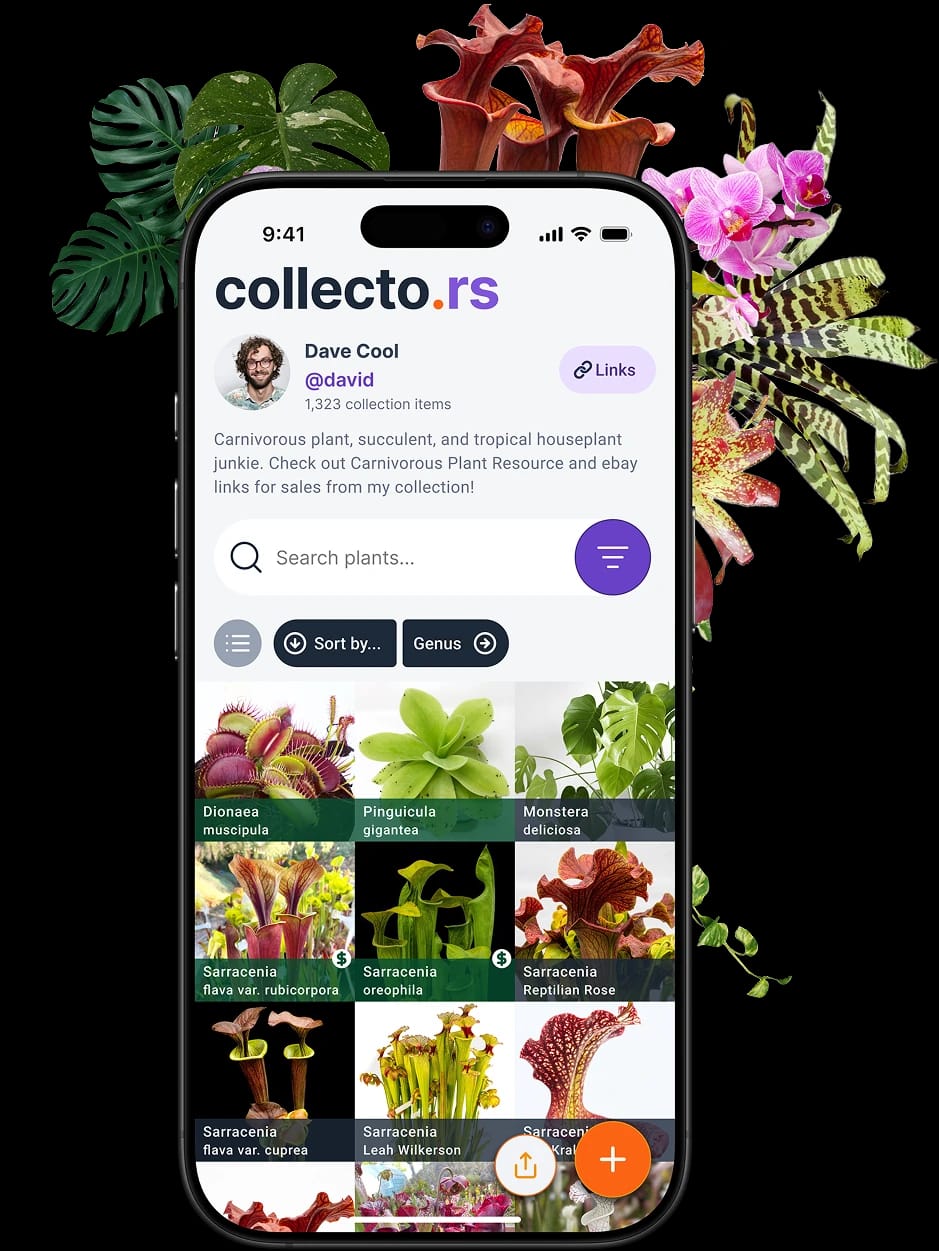
Sample profile of what a collection looks like on collecto.rs.
6. Use Payment Methods With Protection#
Never pay via Venmo “friends & family” or direct bank transfer. Ever.
Instead, use:
- 💳 PayPal Goods & Services — includes buyer protection
- 🛒 Etsy Checkout — built-in refund guarantees
- 🏦 Credit cards — dispute options if things go wrong
Scammers hate paper trails. You should love them.
7. Keep a Verification Log#
If you’re dropping hundreds (or thousands) on rare plants, document every transaction—especially from overseas sellers.
You can track:
- Seller name & contact info
- Date purchased
- Payment method
- Phytosanitary certificates or import papers
- Photos before and after shipping
Use a collecto.rs plant profile to store these details. Receipts are sexy, just like the plants in my greenhouse that kept me company when "Plant Mom" left me.
🌿 Final Word: Don’t Let Hype Cloud Your Roots#
A “rare” plant isn’t always rare—sometimes it’s just marketed well. Real collectors verify, document, and grow their collections sustainably.
Or as we like to say:
“Collect plants like a nerd, not like a gambler.”
Ok, that's the first time we've ever said that. Can we make it a thing?