The short version#
True scarcity in MrBeast Lab Swarms comes down to short production runs, regional distribution quirks, and brutal pull rates in blind test tubes.
- Golden Fangs
- Slam-a-head Shark
- Muscle Sword
- Magma Llama
- Vipermite
- 8-Bit Beast
- Robo Panther
- Toxic Panther
- Mutant Panther
- Blizzard Bolt
You add water to the micro-beast test tube, shake it up, and wait for the fizz to clear. Most of the time, you get a common figure you already have three of on your shelf. Sometimes, you get the one figure that makes you stare at the bottom of the tube just to be sure. Moose Toys built the MrBeast Lab Swarms line on blind-bag chemistry, but the distribution math behind it is where things get interesting. Finding all 100-plus figures in the initial waves requires more than just buying out a local display case. The rarest figures in this line do not just have low pull rates. They suffer from short production runs, erratic regional shipping, and the chaotic nature of blind micro-figure assortment boxes. When a specific mold only appears once in every few master cases, tracking it down stops being a casual store run and turns into an exercise in logistics. Some figures were distributed heavily in specific retail chains while barely showing up in others. Others were subject to mid-run package updates that altered their availability mid-wave. If you are trying to complete a full set, these ten figures represent the real bottlenecks in the line. They are the ones that force you to trade across regions, monitor secondary listings, or buy bulk lots just to hunt a single specific sculpt. Here is how those ten figures ended up so hard to find, and why your collection might still be missing them.
| # | Item | Set / Year | Rarity |
|---|---|---|---|
| 1 | Golden Fangs | — | special-edition |
| 2 | Slam-a-head Shark | — | special-edition |
| 3 | Muscle Sword | — | special-edition |
| 4 | Magma Llama | — | special-edition |
| 5 | Vipermite | — | special-edition |
| 6 | 8-Bit Beast | — | ultra-rare |
| 7 | Robo Panther | — | ultra-rare |
| 8 | Toxic Panther | — | ultra-rare |
| 9 | Mutant Panther | — | ultra-rare |
| 10 | Blizzard Bolt | — | ultra-rare |
10. Blizzard Bolt#
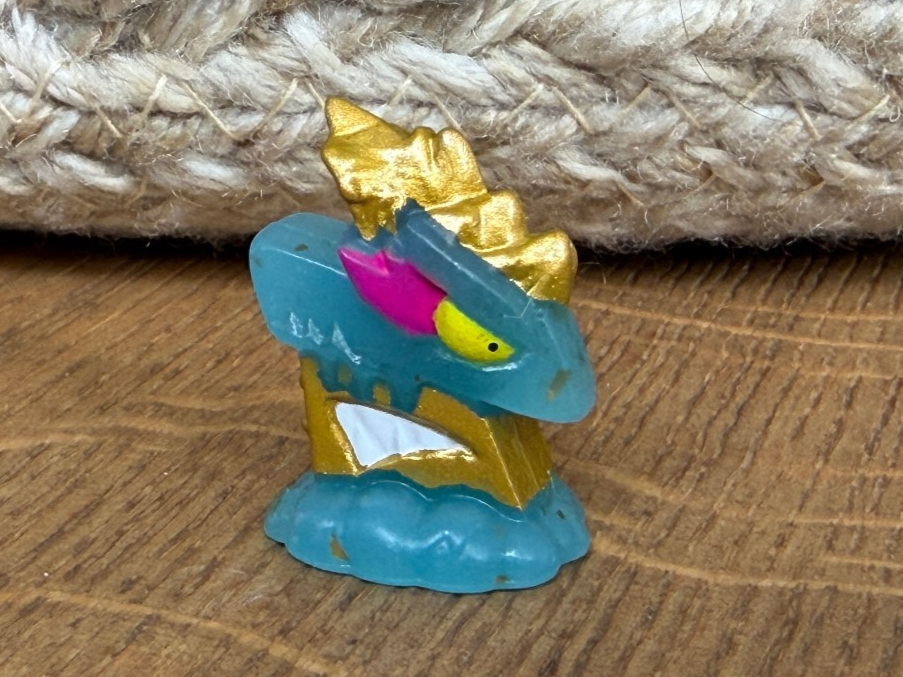 Blizzard BoltSee it on collecto.rs
One in every twenty-four individual blind bags contains an ultra-rare pull, but that math assumes you are looking at a freshly opened display case on day one. By the time a wave hits its third restock, the odds in the wild skew much higher against you. Blizzard Bolt sits right at that intersection of distribution timing and pull rates. It appeared late enough in the release cycle that many shelves were already being cleared for the next wave, while the clear-mould finish meant casually feeling through the foil packaging rarely gave it away.
Set completers usually hit their first real wall here. Early anchor pieces like Mutant Panther established the base hunt for the line, but those early waves had much wider retail distribution and stayed on shelves long enough for collectors to trade through duplicate pulls. Blizzard Bolt did not enjoy that same extended run. The ice-blue translucent resin makes it visually distinct on a display shelf, yet the actual challenge is simply locating a sealed bag from that specific late-wave production run. When a piece relies on a shorter manufacturing window alongside ultra-rare designation, the secondary market tends to dry up quickly, leaving collectors dependent on trades rather than fresh store finds.
If you are holding one, the key detail to check is the mould line along the lower spine. Because the clear material cures differently than the standard opaque plastics used across the rest of the line, factory trim errors were more common on this run. Finding a clean copy without stress marks around the seam line is what turns a standard set filler into the piece that actually finishes the shelf.
9. Mutant Panther#
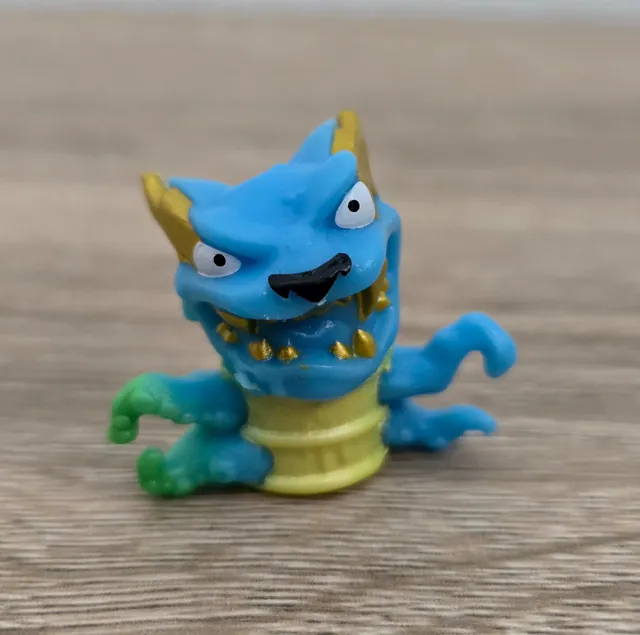 Mutant PantherSee it on collecto.rs
Base Swarms sit in visible rows on store shelves. The Mutant Panther lives at the bottom of a foil bag, coated in black dissolve gel, waiting for a hot water bath to reveal its paint job. That friction is by design. You can buy the standard releases on a Tuesday afternoon trip for groceries. You find the Mutant Panther because you bought six pack bundles and spent an evening at the kitchen sink rinsing plastic molds.
First-wave releases established how Moose Toys handled distribution for this line. Among those early figures, the Toxic Panther set the baseline pull rate that collectors still use to measure blind-bag density. The Mutant Panther shares that same ultra-rare tier, but the molding tells a different story. The translucent green finish gives way to asymmetrical limb sculpts that show up nowhere else in the original wave. It anchors the early Panther variants because it stands apart from the standard color swaps.
Sourcing one today means navigating a secondary market where unopened bags carry a premium for the hunt itself. Opened figures present their own challenge. The reactive gel leaves a faint residue if the initial wash was rushed, and the factory paint on the chest emblem wears easily under repeated handling. Finding one with intact chest prints and clean joints takes patience. You are looking for a figure that survived both the manufacturing odds and the sink.
8. Toxic Panther#
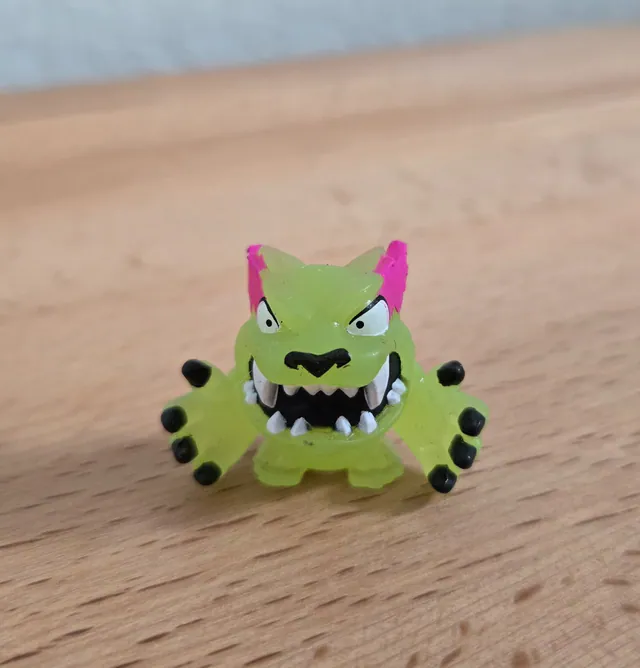 Toxic PantherSee it on collecto.rs
You rip the foil foil bag, dump the dissolve powder into the chamber, and pour the water. A minute later, green foam spills over the plastic lip and leaves a faint residue on your kitchen table. You reach through the slush, pull out the figure, and wipe off the gel. It has neon green accents and the heavy brow sculpt from the early wave molds. This is the Toxic Panther.
First-wave ultra-rares set the baseline pull rates for the entire line. When these test runs hit retail shelves, nobody knew the exact ratios per display case. Early cases sat in big-box backrooms for weeks before regional distribution cleared them out. By the time collectors realized how few hit the secondary market, the second wave was already shipping. That initial production run created a blind spot that still affects inventory counts today.
Panther variants anchor the core collector hunt across early waves. The Toxic Panther holds a specific place in that progression compared to the Mutant Panther. While the Mutant relies on a split-color paint scheme to signal its tier, the Toxic relies entirely on the translucent green plastic mix used in that single factory batch. If the chemical mix varied by a fraction, the batch failed quality checks and got scrapped. That manufacturing threshold makes undamaged translucent pieces harder to source than standard opaque prints.
The sculpt itself carries the wider jaw from the original mold, which fatigue eventually altered in later pressings. Finding one with clean eye paint and no chemical clouding in the torso takes time. You can log the condition notes and store your batch details in collecto.rs to keep track of which early wave variants you still need.
7. Robo Panther#
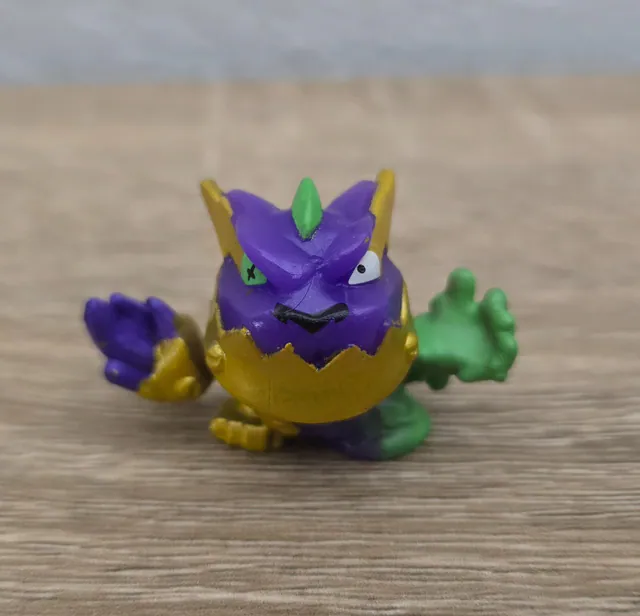 Robo PantherSee it on collecto.rs
A collector in Chicago recently bought three display boxes off the shelf, opened every blind bag on his kitchen table, and ended up with fourteen duplicates of the standard Panther. He wanted the metallic one. The standard variant uses the matte grey plastic common to the rest of the first wave, but the Robo Panther relies on a vacuum-metallized coating that reflects light like a newly minted coin. That finish changes the math for people hunting the set.
metallic variants create a secondary chase within the same sculpt. Paint runs on standard figures can absorb small surface flaws during assembly. Vacuum plating cannot. If dust settles on the mold before the metallic coat goes down, the piece fails quality control and gets scrapped. That extra step shrinks the final yield before the figures ever reach a foil pack. The sculpt itself shares identical dimensions with the Toxic Panther, but where that earlier release relied on a bright green paint drop to signal its status, the Robo Panther uses its entire surface area as the differentiator. Holding both side by side shows how the line evolved its approach to top-tier variants in a short window of time.
Finding one in the wild usually means feeling for the distinct ears through the foil packaging, then hoping the weight matches the dense internal plastic of the metallic batch. Most blind bags get opened immediately, leaving few sealed specimens on the secondary market. If you have one sitting on a shelf, the metallic layer needs protection from hand oils, which can dull the shine over time. Keep it in a dry space away from direct sunlight, and log it in your collecto.rs cabinet so you can track the rest of the first-wave ultra-rares alongside it.
6. 8-Bit Beast#
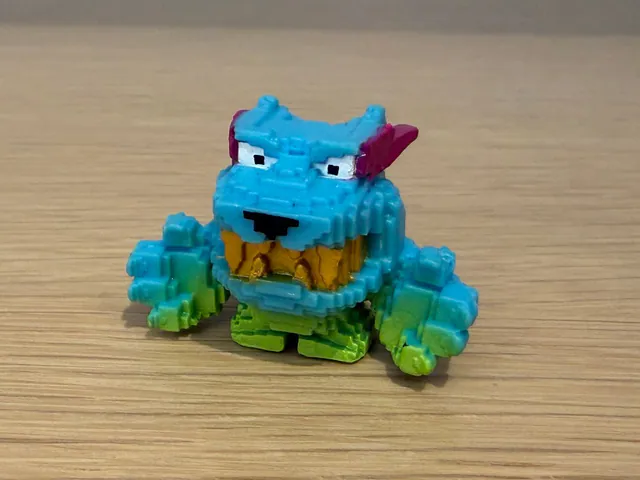 8-Bit BeastSee it on collecto.rs
Have you ever tried forcing a sharp corner through a round manufacturing mold? That structural conflict explains why the 8-Bit Beast remains a real headache to hunt down. Moose Toys built the standard Swarms line around smooth, organic curves that release cleanly from standard injection tools. The 8-Bit variant discards those curves entirely for blocky, hard-edged pixelation. Those stepped edges catch in the molds during cooling, which causes a high rate of production flaws before these figures even reach a foil pack. The factory rejects a solid portion of each batch, capping the final output long before distribution starts.
That production bottleneck puts this figure in a very different category than its neighbors on this list. Where the metallic finish on the Robo Panther spreads collector attention across several subtle paint variants, the 8-Bit Beast is a single binary hit. You either tear open a hyper-reactivity chamber and find the square-jawed pixel sculpt, or you do not. There are no secondary paint runs or slight shade differences to settle for.
Its official ultra-rare designation reflects those lost factory yields. You are looking for a figure that fought its way through a tool design never meant for mass plastic molding. When one does turn up undamaged, the sharp geometry stands out immediately against the softer sculpts in your display case. If you have managed to pull one, log it in your collecto.rs vault under the ultra-rare filter so your total set count updates correctly.
5. Vipermite#
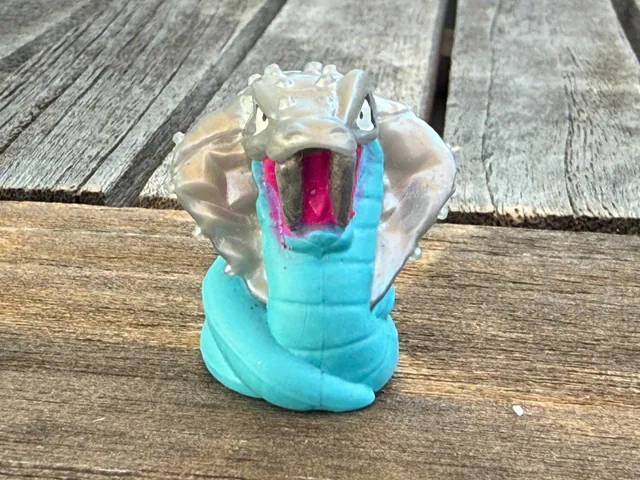 VipermiteSee it on collecto.rs
You probably think the hardest Swarms to track down are the ones hidden inside individual blind bags. Vipermite proves otherwise. This special-edition figure skips the single foil packs entirely, locking its availability behind specific multi-pack configurations that hit retail shelves in far smaller quantities.
While figures like the 8-Bit Beast present a challenge because of factory mold failures and low production yields, Vipermite relies on simple distribution math to create its scarcity. You cannot simply buy a fresh display box of blind bags and hope the odds settle in your favor. To get Vipermite, you had to find the specific multi-pack on a store shelf, buy the entire set, and open it just for the single special-edition figure inside.
That distribution choice changed how collectors approached the line. Most multi-packs stayed sealed on shelves longer than single bags, but fewer of them were produced overall. Once a retail run ended, the pool of available Vipermites dried up much faster than standard pulls. The figure itself uses the distinct glossy finish common to the special-edition tier, making it easy to identify in a display case once you actually secure one.
If you are holding a Vipermite today, check the batch code stamped on the underside of the base. The earliest shipments came through primary big-box distributors before the multi-pack assortments shifted to secondary retail channels. It is a quiet reminder that true scarcity in modern toy lines often comes down to packaging decisions rather than advertised pull rates. If you have one in your case, you can log the acquisition date and set details on collecto.rs to keep your series manifest accurate.
4. Magma Llama#
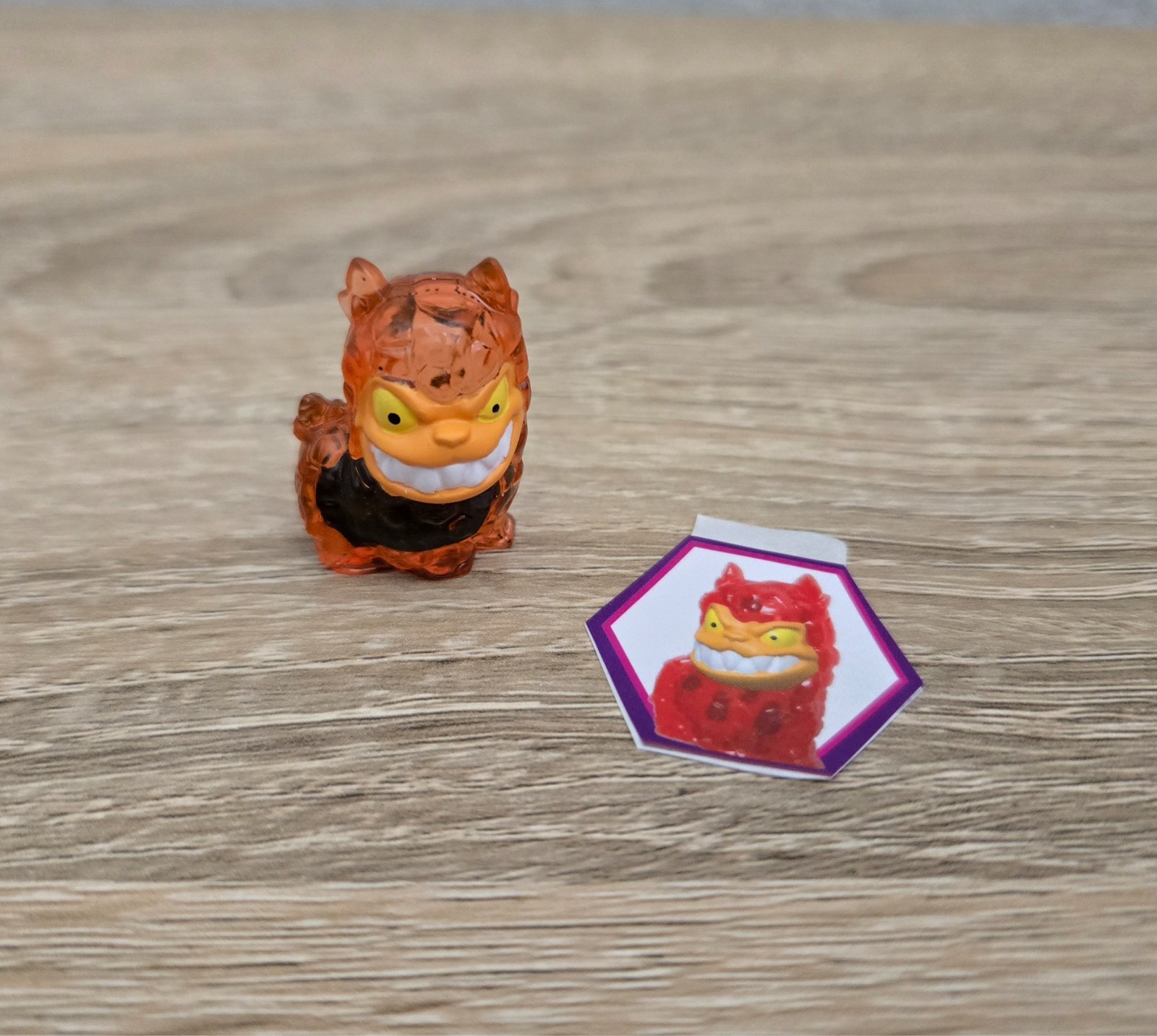 Magma LlamaSee it on collecto.rs
Target stores received exactly one display box per shelf reset during the Series 3 launch, and the Magma Llama sat in the special-edition slot for less than five percent of those cases. Retailers squeezed the wave between late-summer toy resets and early holiday inventory. That tight window meant whole distribution regions saw their initial allocation sell through before a second shipment ever left the warehouse. If you missed the first two weeks of that drop, your local shelves jumped straight to the subsequent wave.
The Magma Llama shares its special-edition status with Vipermite, but the scarcity mechanics work differently here. Vipermite required buying specific multi-packs to land the figure. Magma Llama was strictly a blind-bag pull from single-figure chambers, meaning you could not filter out the rest of the wave by reading outer packaging cues. You had to buy the individual tubes, pour the water, and watch the fizz dissolve. The reduced shelf allocation multiplied that friction. Finding a display case was hard enough; finding one that had not already been picked clean by early buyers was considerably harder.
Collectors tracking Series 3 often end up filling this slot last. The paint application features a distinct dual-tone gradient across the head sculpt that makes it easy to spot in a display case, but getting one onto your shelf usually means dealing with secondary markets or trading out duplicate figures from later runs. When a figure depends on a specific retail shipping window that closes faster than expected, the secondary supply dries up long before the rest of the series finishes its primary shelf life. If you have one sitting in your display grid, it probably represents a very lucky drop day.
3. Muscle Sword#
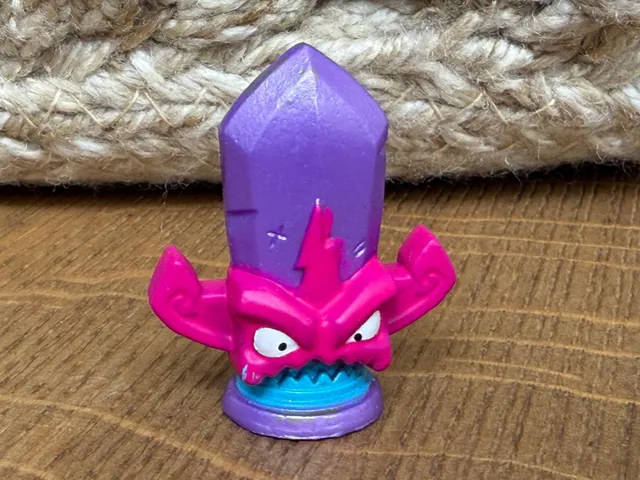 Muscle SwordSee it on collecto.rs
Magma Llama proved how frustrating early retail drops could be when shelf allocations shrank without warning. Muscle Sword presents the opposite problem: by the time a late wave hits stores, distribution is already winding down. Retailers clear shelf space for the next product line, leaving fewer cases on the floor and far fewer chances to pull this specific special-edition variant. The math gets worse when a figure sits at the tail end of a production run. You are no longer fighting for a fresh case against other local buyers. You are hunting down the two or three boxes a store received to finish out their contract.
That distribution taper hits late-wave special editions hardest. Earlier figures at least benefit from multiple restocks over several months, giving you time to check different locations or wait for new inventory. Muscle Sword never got that second wind. Once those final cases cleared out, the supply stopped entirely. The figure itself uses the heavy-molded plastic common to the later wave variants, making it slightly heavier in the bag than standard Swarms, though feeling out a blind bag on a picked-over shelf rarely yields results this late in the run.
Keeping track of late-wave gaps gets messy when physical shelves go empty. You can log your Muscle Sword in your collecto.rs account alongside the rest of your series variants, update your checklist, and export your entire collection record to CSV whenever you want to cross-reference what you are still missing.
2. Slam-a-head Shark#
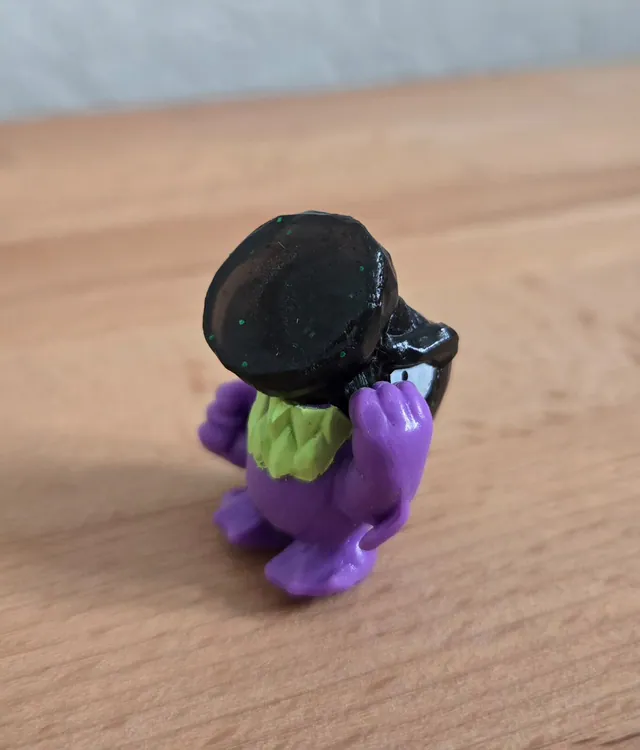 Slam-a-head SharkSee it on collecto.rs
Retail pegs emptied out six months ago, and the restocked boxes on the shelf today carry the next wave's assortment code. If you missed the initial drop, you are no longer competing with casual shoppers at the store down the street. You are hunting down sealed stock that someone forgot in a backroom or put away in a closet.
That quick transition makes the Slam-a-head Shark a frustrating piece to isolate. As an early special-edition variant, its production window closed right as the line gained its footing. Early releases suffer a distinct fate compared to late-wave figures like the Muscle Sword. While Muscle Sword tested collector patience through tapering regional distribution, Slam-a-head Shark simply vanished from primary retail as store managers cleared room for newer cases. The figures that sold first are now sitting inside established collections, which dries up the secondary market quickly.
The physical design does not make the search any easier. The distinct heavy top mold meant fewer surviving examples made it through shipping without paint rub against the internal foil. Finding one with intact finish requires looking past the standard listing photos and asking sellers for close-up shots of the nose cone.
Tracking these early special-edition releases takes a systematic approach. Keeping precise records of which packaging codes you have already opened saves you from buying redundant back-stock. When you log your Swarms on collecto.rs, you can tag specific mold variations and track condition notes alongside your overall checklist. You can export your full inventory data whenever you want, giving you a clean record of what you own before you buy another blind pack.
1. Golden Fangs#
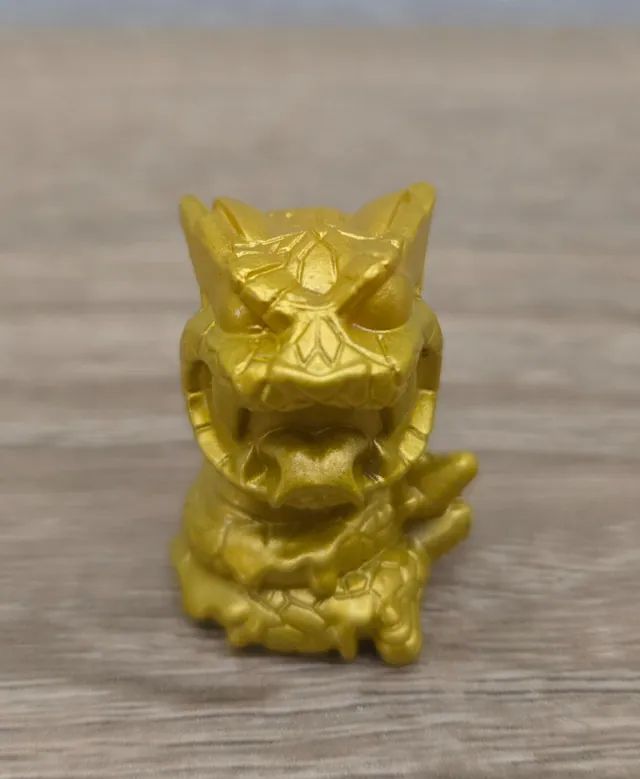 Golden FangsSee it on collecto.rs
A father in Ohio bought five sealed display cases off a liquidated toy distributor's pallet last November. He spent three hours dissolving test tubes in his garage with a warm garden hose, lining up the damp plastic figures along the hood of his truck. He found forty-eight standard figures, eight glow variants, three metallic variants, and zero golden finishes. That ratio is why Golden Fangs sits at the top of this list.
Special-edition chase figures like this one create the absolute bottleneck for full line completion. The gold vacuum-metallized coating makes the piece obvious from across a room, but the real obstacle is the distribution curve. Manufacturing runs for this finish were capped early in the production cycle. Unlike the Slam-a-head Shark, which gradually disappeared as older retail inventory cleared off store shelves, Golden Fangs was missing from the supply chain almost from the start. You could buy an entire store's shelf allocation and still miss it entirely.
Collectors who trace batch codes know that the inner tray molds for this run wore down faster than standard molds, leading to slightly rough seams along the lower jaw line. That minor flaw is actually your best verification check when evaluating a loose figure. The metallic foil rubs off easily around the high points of the sculpt, so finding one with the gold layer intact on the tip of the snout requires patience or luck.
If you have one sitting on a shelf, log it in your collecto.rs account. Add clear photos of the lower jaw seams so other collectors can verify the mold condition, and keep your inventory current without worrying about lock-in. You can export your full catalog data as a clean CSV whenever you want.
Gaps in a micro-figure collection are rarely about luck alone. They are the direct result of how factories pack master cases, how regional distributors route pallets, and how long a specific wave stays on store shelves before the next one replaces it. When a figure combines a low pack-in ratio with a short shelf life, it turns into a long-term project. Keeping track of those odd variants, pull rates, and regional releases gets messy fast when your collection crosses into the hundreds. Notes on index cards or mental checklists usually fail the moment you are standing in a store aisle trying to remember if you already have a specific mold variant. You can log your micro-beasts, track missing variants, and publish your checklist on collecto.rs. Your data remains yours, and you can export it whenever you want. Whether you are one figure away from a complete wave or just starting to sort your first dozen tubes, having a clear record of what you own makes the next hunt a lot easier.
Frequently asked questions#
What makes a MrBeast Lab Swarm rare?#
Scarcity comes down to pack odds and distribution methods. Common figures pack out regularly, while ultra-rare and special-edition figures feature specific pull rates stamped on collector guides or restricted chase allocations in multi-packs.
How can you tell if a MrBeast Lab Swarm is authentic?#
Check the stamp on the base or lower back of the figure. Genuine figures display crisp batch numbers, correct mold crispness, and uniform paint applications matching official collector checklist charts.
Where do you track a MrBeast Lab Swarms collection?#
You can catalog your entire collection on collecto.rs to track missing figures, document variants, and export your personal collection data anytime.