The short version#
Compilation records credited to 'Various' often preserve music that would otherwise lack a physical release, capturing localized scenes, archival deep-dives, and specific moments in cultural history.
- J Jazz: Deep Modern Jazz From Japan 1969-1983 (Volume 2)
- Zendooni (Funk, Psychedelia And Pop From The Iranian Pre-Revolution Generation)
- Michigan Meltdown (Post-Garage Pandemonium And Pre-Punk Fuzz Freaks From The Mitten State's Miliken Era)
- No Nukes - From The Muse Concerts For A Non-Nuclear Future - Madison Square Garden - September 19-23, 1979
- R&B Volts From The Vee-Jay Vaults
- Synth Union Pt. 2 - Rare USSR And Early Ex-USSR Synth & Electro Sound
- X-Mix Planet X 1992-1995
- Le Jazzbeat! - Jerk, Jazz & Psychobeat De France 2
- Reggae Rula Vol. 1 - La Prehistoria Del Reggae En El Estado Español
- Angola Bevrijdt - Muziek Van De Volksbeweging Voor De Bevrijding Van Angola
Every vinyl collector eventually hits the section in the shelf where the artist name disappears. It is usually filed under V, squeezed between Van Morrison and The Velvet Underground, or exiled to a bottom crate near the floor. The spine reads 'Various' or 'Various Artists'. For a long time, these records were treated as second-class citizens in a collection. They were cheap samplers, cash-in movie soundtracks, or wedding DJ fodder left behind in thrift store bins.
That framing misses what compilation albums actually do. When a label puts out a record credited to 'Various', they are usually doing work that no single-artist album can accomplish. They are building a fence around a specific room in time. A single band's LP tells you what four people were doing over three weeks in a studio. A great compilation tells you what an entire city smelled like during a hot summer in 1978, or what a dozen bedroom producers in Detroit were sending each other on cassette tapes before anyone had a record deal.
Without these compilations, hundreds of master tapes would have rotted in cardboard boxes under someone's bed. Small scenes exist because someone cared enough to press five hundred copies of a record featuring eight different local bands who shared a single practice space. Archival labels spend years tracking down rights holders, clean up scratched 45s, and print gatefold sleeves just to document a genre that lasted fifteen months in a single port town.
Buying a 'Various' record is an act of trust. You hand over your money not for a band you already love, but for a curator's taste and a label's willingness to lose money on a obscure slice of history. You put the needle down on track one and let someone else drive. Here are ten compilation records that prove the artist field on a sleeve is sometimes the least important detail on it.
| # | Item | Set / Year | Rarity |
|---|---|---|---|
| 1 | J Jazz: Deep Modern Jazz From Japan 1969-1983 (Volume 2) | Various | — |
| 2 | Zendooni (Funk, Psychedelia And Pop From The Iranian Pre-Revolution Generation) | Various | — |
| 3 | Michigan Meltdown (Post-Garage Pandemonium And Pre-Punk Fuzz Freaks From The Mitten State's Miliken Era) | Various | — |
| 4 | No Nukes - From The Muse Concerts For A Non-Nuclear Future - Madison Square Garden - September 19-23, 1979 | Various | — |
| 5 | R&B Volts From The Vee-Jay Vaults | Various | — |
| 6 | Synth Union Pt. 2 - Rare USSR And Early Ex-USSR Synth & Electro Sound | Various | — |
| 7 | X-Mix Planet X 1992-1995 | Various | — |
| 8 | Le Jazzbeat! - Jerk, Jazz & Psychobeat De France 2 | Various | — |
| 9 | Reggae Rula Vol. 1 - La Prehistoria Del Reggae En El Estado Español | Various | — |
| 10 | Angola Bevrijdt - Muziek Van De Volksbeweging Voor De Bevrijding Van Angola | Various | — |
10. Angola Bevrijdt#
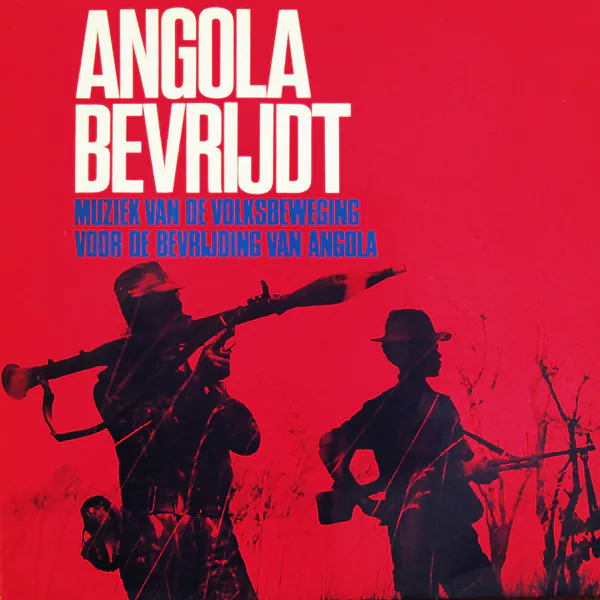 Angola Bevrijdt - Muziek Van De Volksbeweging Voor De Bevrijding Van AngolaSee it on collecto.rs
One catalog number, zero track titles written in Dutch, and a direct line to a 1970s liberation movement. Angola Bevrijdt - Muziek Van De Volksbeweging Voor De Bevrijding Van Angola arrived through the Medisch Komitee Angola in the Netherlands, carrying the field recordings and political songs of the MPLA into European living rooms. It is a record pressed not for the charts, but as a physical instrument of international solidarity.
Vinyl served as direct outreach for mid-century anti-colonial movements. While compilations like Reggae Rula Vol. 1 map how a sound traveled regionally through fans and local bands, this Dutch pressing shows how a sound was deployed politically across borders. The music here exists because a medical committee in Amsterdam needed a way to make a distant war tangible. Pressing field recordings to a 12-inch disc turned listeners into financial and political supporters. The vinyl itself was the campaign.
The record sits in the Folk, World, & Country space, but it functions more like a primary document. You hear field recordings, group chants, and acoustic anthems recorded under conditions that make studio fidelity beside the point. The sleeve tells you who made it and why, leaning on clear text and stark graphics rather than commercial layout conventions of the era.
Finding a copy means looking outside standard distribution channels. These pressings moved through political meetings, solidarity rallies, and mail orders rather than record shops. When you catalog a copy in your collecto.rs account, you are tracking a piece of political history as much as a musical release. The data remains yours to export whenever you want, keeping the record's context intact alongside the rest of your shelf.
9. Reggae Rula Vol. 1#
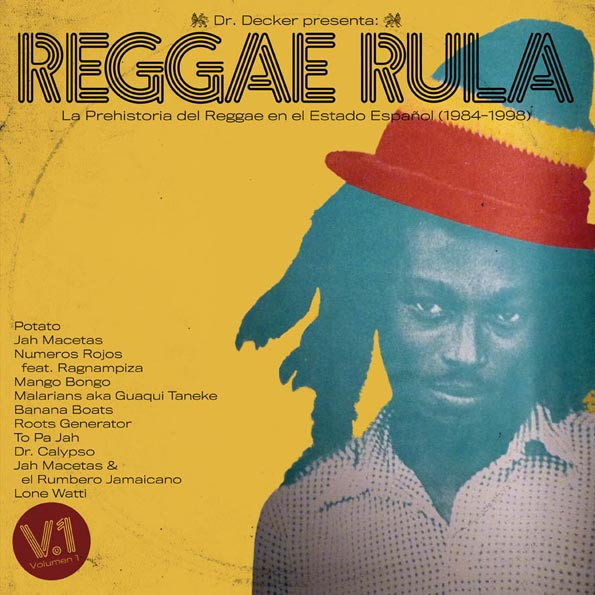 Reggae Rula Vol. 1 - La Prehistoria Del Reggae En El Estado EspañolSee it on collecto.rs
In late-seventies Madrid, sound systems did not have Kingston's imported dub dubs or London's direct lines to Trojan shipments. DJs spliced imported tapes, built amps from television parts, and played Jamaican rhythms to Spanish teenagers who had never heard a bassline that heavy. Liquidator Music gathered these early moments for Reggae Rula Vol. 1 - La Prehistoria Del Reggae En El Estado Español, tracking how a Jamaican genre took root across Spain long before internet distribution made regional scenes feel identical.
While Angola Bevrijdt showed how records could carry political ideology across borders, this compilation shows what happens when a sound lands in a place with no infrastructure to support it. The musicians on these tracks were figuring out skank rhythms by ear. They recorded on two-track machines in home studios, blending roots reggae with local pop sensibilities. The results are raw, sometimes clumsy, and entirely distinct from the polished reggae coming out of the UK or North America during the same era.
Pressings like this matter because they preserve context that streaming algorithms collapse. This LP compiles tracks originally limited to tiny cassette runs or regional seven-inch pressings that rarely left the country. Owning the physical vinyl keeps these scattered regional histories linked in one place. If your shelf holds compilations like this, collecto.rs gives you a clean way to document the labels, pressing origins, and liner notes that make these obscure pressings worth hunting down. You can export your data whenever you want, keeping your archival notes entirely under your control.
8. Le Jazzbeat!#
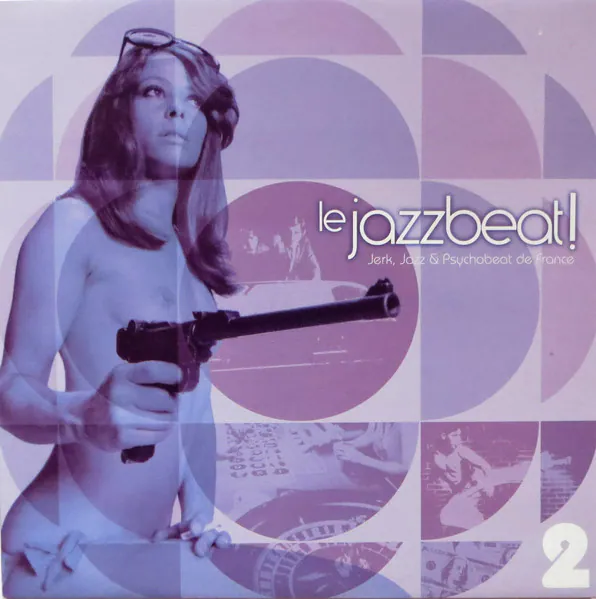 Le Jazzbeat! - Jerk, Jazz & Psychobeat De France 2See it on collecto.rs
You do not buy a Jazzman compilation for the household names. You buy it because someone spent three years tracking down master tapes from a defunct Parisian studio to find one minute of perfect organ funk.
Le Jazzbeat! hits differently than Reggae Rula Vol. 1. Where that Spanish compilation builds a linear narrative around a single regional scene, this 2000 UK release operates like a mosaic. It gathers 1960s French library tracks, forgotten film cues, and pop-jazz side projects, pulling back the curtain on European session music. The musicians on these grooves were anonymous by trade. They spent their mornings backing pop singers for radio airplay and their afternoons cutting cheap library cues for film and television productions. Under the cover of low budgets and zero commercial expectations, they smuggled American hard bop, frantic jerk rhythms, and fuzz guitar into short, utilitarian tracks.
That anonymity is the point. The music on this LP lives in the gaps between established genres. A track might start as a straightforward bop arrangement before collapsing into heavy psych-fuzz, purely because the session bassist brought a new pedal to the studio that morning. Jazzman pressing these tracks onto a two-LP set gives that brief, hyper-specific era a permanent home. It preserves a moment when studio musicians had total freedom because nobody was paying close attention.
When you log a record like this, the cataloguing goes deep. You end up tracing session drummers across three different countries and five label imprints just to credit a single two-minute track. Collecto.rs handles those dense networks of labels, release dates, and personnel easily. You can map out every obscure reissue imprint in your collection and export the full data set whenever you want.
7. X-Mix Planet X 1992-1995#
 X-Mix Planet X 1992-1995See it on collecto.rs
In the early nineties, a box of vinyl arrived at a club DJ's door every few weeks with white labels, stamped sleeves, and a simple premise: two long-form side mixes stitched together for immediate room use. X-Mix started in Boston as a subscription service for working DJs who needed reliable transitions between tracks that were never meant to meet. By the time this compilation landed on two LPs in 1996, those promotional mix-club pressings had turned into a permanent record of a scene changing its mind about how music should be preserved.
While Synth Union Pt. 2 preserves isolated hardware tracks that almost vanished behind Soviet state broadcast lines, X-Mix Planet X 1992-1995 documents the exact moment American electronic music stopped living exclusively in the night. The two LPs gather material from a three-year window when house and techno were transitioning from ephemeral weekend sets into deliberate album releases. Putting a continuous DJ mix onto commercial vinyl was a contradiction on paper. You bought a record to play individual tracks, but here the crossfades, pitch bends, and EQ cuts were pressed permanently into the PVC grooves.
This release matters because it captures early club culture in its original working format. The US pressing on the X-mix label shows the physical wear of a utility object. The sleeve design is minimal, prioritizing function over retail display, and the audio sequencing reflects the pacing of an actual venue floor rather than a home listening session. Holding the physical record gives you the arrangement decisions made by people who were in the room while the genre was finding its footings. On collecto.rs, you can log the pressing details, track the condition of your copy's gatefold, and export your complete vinyl ledger whenever you want.
6. Synth Union Pt. 2#
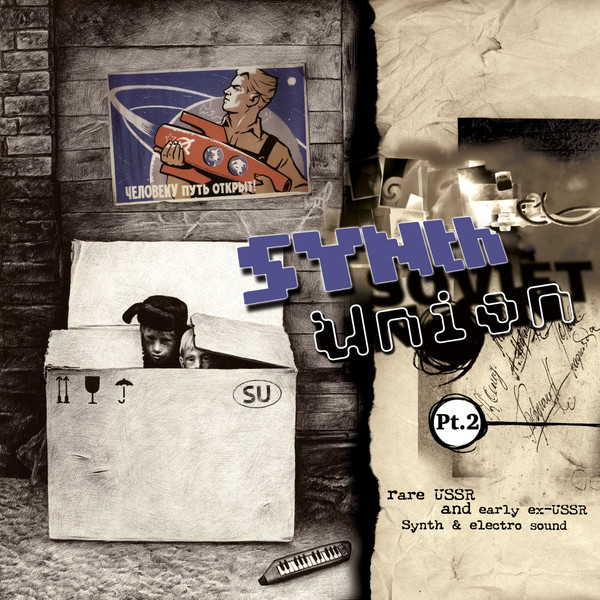 Synth Union Pt. 2 - Rare USSR And Early Ex-USSR Synth & Electro SoundSee it on collecto.rs
You have been told Soviet state labels only pressed official folk ensembles and standard orchestral works. That narrative misses what happened after hours when studio engineers used leftover tape to capture improvised hardware jams. Synth Union Pt. 2 extracts those hidden sessions from forgotten reels, putting mid-eighties Soviet and post-Soviet electro experiments onto wax.
Ukrainian archival label Aby Sho Mzk pressed this compilation in 2015, drawing from tape archives recorded across Ukraine and Russia. The tracks capture musicians working with crude, locally built analog synthesizers like the Polivoks and Aelita. These instruments had erratic tuning and unpredictable filters. Without access to Western gear, players patched together broadcast equipment and custom pedals. The resulting audio contains a heavy, unpolished low end and mechanical rhythms that feel completely distinct from Western synth-pop of the same era.
While anthologies like R&B Volts From The Vee-Jay Vaults documented mid-century American studios operating within a commercial music industry, Synth Union Pt. 2 documents sound made outside a market entirely. There were no commercial charts or retail distribution networks for this material when it was recorded. These tracks existed only on magnetophone reels passed hand to hand until this release cataloged them.
Aby Sho Mzk housed the LP in a heavy sleeve featuring clean typography and archival notes on the original artists. The pressings are quiet, which matters when listening to dynamic analog recordings made on aging tape. It stands as a precise piece of audio preservation that brings forgotten regional engineering out of studio basements and onto your turntable.
5. R&B Volts From The Vee-Jay Vaults#
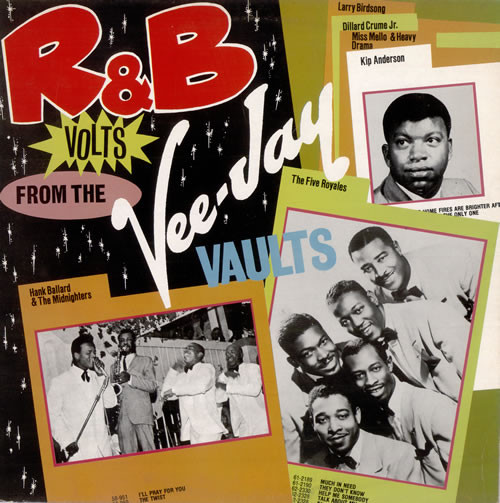 R&B Volts From The Vee-Jay VaultsSee it on collecto.rs
Why does a 1980s British reissue series matter to 1950s Chicago soul? Because backboards break, master tapes get sold, and independent labels go under. Vee-Jay Records ran out of steam in 1966, leaving behind some of the sharpest electric blues and early R&B ever cut in the Midwest. Two decades later, Charly Records pulled those original sessions out of storage for UK pressings like this LP. Without these mid-eighties archival anthologies, a whole generation of listeners would have lost direct access to the label's regional master takes.
While the No Nukes live album captured a massive, one-night arena lineup at its peak, this Vee-Jay collection works in reverse. It gathers years of working-class studio sessions into one room. You hear tube amps pushed past their limits, room bleed on the vocal mics, and the raw low-end drive of a rhythm section working on union time. The Charly pressings do not try to clean up the tape hiss or round off the high frequencies. They just let the cut hit the vinyl as it happened in the room.
Pressings from this Charly R&B run hold up because the re-mastering stayed out of the way of the source material. It is a straight transfer of classic tracks that might otherwise exist only on worn forty-fives or expensive original pressings. If you keep your collection organized on collecto.rs, tag this one under both label history and compilation runs. It is a workhorse record that shows exactly how regional American singles found a second life across the Atlantic.
4. No Nukes (1979 Live)#
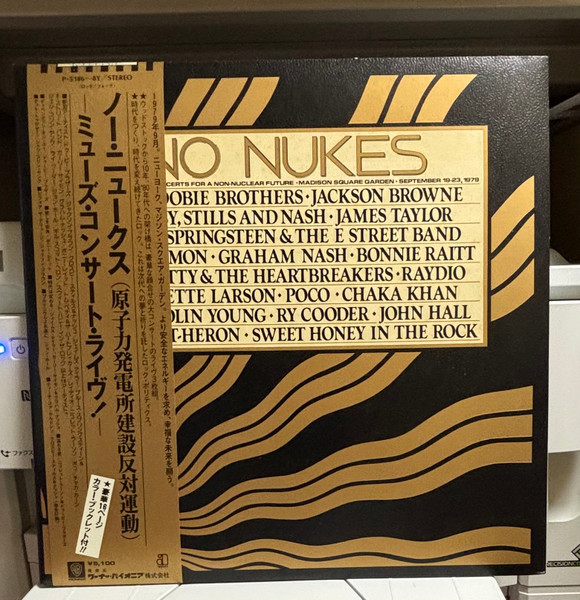 No Nukes - From The Muse Concerts For A Non-Nuclear Future - Madison Square Garden - September 19-23, 1979See it on collecto.rs
Madison Square Garden sat under a cloud of cigarette smoke and stage fog for five nights in September 1979. Thirty-two acts took the stage to play for a non-nuclear future, but the three-LP set that came out of those concerts captures something broader than a political statement. It records peak late-seventies arena rock in a room where nobody had full control over the mix. Jackson Browne, Crosby, Stills & Nash, and a twenty-nine-year-old Bruce Springsteen shared backline gear and monitors. The tapes captured the acoustics of a concrete bowl packed with twenty thousand people, complete with raw vocals and guitar amplifiers pushed past their limits.
Where the Michigan Meltdown sampler gathers obscure midwestern garage bands from master tapes that barely survived the decade, No Nukes catches massive global acts at their absolute loudest, caught mid-stride on a single stage. It is a live document built on sheer scale rather than regional crate-digging.
This Japanese pressing on Asylum Records handles the complex dynamic range of those multi-instrument arena mixes with remarkable clarity. The pressing holds up through the quiet acoustic passages and the dense, overcrowded jams where a dozen musicians play over each other. Double LPs from this era often suffer from thin vinyl and compressed sound, but this three-album set keeps the low end tight and the crowd noise distinct from the stage monitors.
You can log this triple LP, track its three gatefold sleeves, and export your entire collection record at any time on collecto.rs.
3. Michigan Meltdown#
) Michigan Meltdown (Post-Garage Pandemonium And Pre-Punk Fuzz Freaks From The Mitten State's Miliken Era)See it on collecto.rs
Michigan Meltdown (Post-Garage Pandemonium And Pre-Punk Fuzz Freaks From The Mitten State's Miliken Era)See it on collecto.rs
Nineteen tracks, forty-five minutes, and zero releases from a major city. Michigan Meltdown captures midwestern garage rock at the exact moment the fuzz pedal took over local teen clubs between 1965 and 1968. Coney Dog Records pressed this compilation on vinyl in 2011, pulling directly from regional 45s recorded in basement studios across Flint, Grand Rapids, and Saginaw. These bands usually paid for their own studio time, printed two hundred copies, and handed them out at high school dances.
Unlike the massive stage setups found on benefit compilations like No Nukes, this record operates at room scale. The guitars sound distorted because the amplifiers were running too hot for the microphones. The drums leak into the vocal tracks. You hear teenagers trying to imitate British blues records using cheap gear in rooms with concrete floors. It records a specific regional sound before national distribution networks smoothed out regional quirks. When the state's governor tightened curfew laws in the late sixties, many of these small venues closed, leaving these seven-inch singles as the only record that the scene existed at all.
Pressings from small archival labels go out of print quickly as master tapes change hands and short runs sell through. You can log your Coney Dog releases in collecto.rs alongside the original sixties 45s, keeping your pressing details, deadwax inscriptions, and liner notes organised in one place. If you ever decide to move your data elsewhere, you can export your entire collection record as a CSV file at any time.
2. Zendooni#
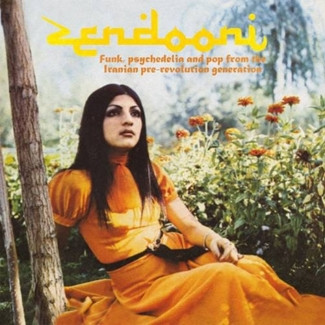) Zendooni (Funk, Psychedelia And Pop From The Iranian Pre-Revolution Generation)See it on collecto.rs
Zendooni (Funk, Psychedelia And Pop From The Iranian Pre-Revolution Generation)See it on collecto.rs
Tehran night clubs in 1975 had very little in common with the basement venues pumping out regional fuzz across Michigan. While midwestern garage bands were cutting two-minute singles on local vanity labels that barely made it past county lines, Iranian musicians were blending heavy funk baselines, electric sitars, and traditional Persian scales for full dancefloors in a booming capital city. Then the 1979 revolution happened, and the tapes stopped circulating.
Pharaway Sounds compiled this set in Spain in 2012, pressing it onto a double LP that covers the crucial decade leading up to the shift. The music on Zendooni is not a polite historical artifact. It is loud, immediate urban pop that treats western psychedelic rock and native vocal traditions as parts of the same toolbox. You get fuzz guitars cutting through complex rhythmic meters and orchestral strings backing up raw, percussive arrangements that were lost to local radio for decades.
Compilations like this do a specific job that single-artist reissues cannot. They capture an entire scene at its peak, right before a political event locked the master tapes in vaults or destroyed them outright. Pharaway Sounds handled the transfer with enough care to preserve the original room sound of those Tehran studios, giving you the weight of the bass response without polishing away the analog grit.
If you want to understand how wide the umbrella of rock music actually was in the 1970s, this record belongs on your shelf. It sits neatly alongside regional garage samplers like Michigan Meltdown, proving that the best fuzz tones of the era were not exclusive to North America or Western Europe. When you log this double album, the data is simple enough: two discs, Spanish import, pressings from 2012. You can export your entry anytime.
1. J Jazz: Deep Modern Jazz From Japan 1969-1983 (Volume 2)#
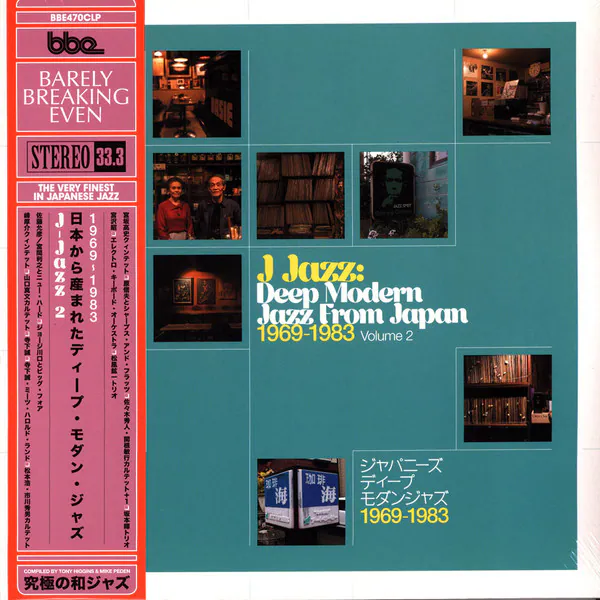) J Jazz: Deep Modern Jazz From Japan 1969-1983 (Volume 2)See it on collecto.rs
J Jazz: Deep Modern Jazz From Japan 1969-1983 (Volume 2)See it on collecto.rs
You have been told that compilations are just entry points for beginners. BBE proved that wrong in 2019 with this three-LP set. Curated by Tony Higgins and Mike Peden, the second volume of the J Jazz series digs into private-press pressings that rarely escaped Tokyo or Osaka in the seventies. These recordings were originally funded by the musicians themselves or issued in runs of a few hundred copies for local jazz kissas. Finding an original copy of Mabumi Yamaguchi’s "Distant Thunder" or the Hideyuki Kuwabara Trio's work meant navigating Japanese auction sites, proxy bidders, and astronomical shipping fees. This release put those masterworks on turntable platters globally, complete with extensive liner notes and restored original tape transfers.
While Zendooni preserves pre-revolution Iranian pop by rescuing regional pop singles before political shifts froze the industry, J Jazz captures a deliberate artistic peak. The musicians here were not reacting to political censorship; they were pushing hard bop and modal jazz into freer, highly technical territory outside the major label system. Tracks like Kenji Mori’s "Street Noise" show a hyper-focused scene operating with total creative control. The pressings are heavy, the gatefold sleeve uses heavyweight cardstock, and the audio transfer handles the wide dynamic range of these acoustic instruments without smothering the room sound.
Owning this set is less about having a sampler and more about securing access to an entire archived movement. The vinyl master cuts clean and deep, giving lower-register bass lines the space they need. If you keep your collection sorted by label or region, this belongs right beside your original Three Blind Mice titles.
A collection built entirely on canonical studio albums tells a clean story, but music history is rarely clean. It is messy, regional, and full of dead ends. The records credited to no single person are often the ones that hold the whole story together. They preserve the tracks recorded on borrowed studio time, the live sets captured on a portable tape deck from the soundboard, and the regional hits that never made it past the state line.
When you pull one of these LPs from the sleeve, you are listening to a network of people who happened to be in the same place, or under the same influence, at the exact same time. The sleeve might not carry a name you recognize on the front, but the grooves inside hold dozens of them.
If your own shelves are growing past the point of easy memory, keep track of the oddities alongside the staples. You can log your pressings, track matrix numbers, and organize your collection on collecto.rs. It is free to use, and your data stays yours to export whenever you want. Whether your vinyl sits in custom oak shelving or milk crates on the floor, every record deserves its spot in the index.
Frequently asked questions#
Why are so many vinyl records listed under Various Artists?#
Compilations, live concert recordings featuring multiple performers, regional field recordings, and multi-act soundtracks are cataloged under 'Various' because no single artist owns the full tracklist. In archival collecting, these pressings frequently contain exclusive studio takes or tracks from bands that never recorded a solo full-length LP.
How do you properly organize Various Artists LPs in a record collection?#
Most collectors file 'Various' compilations in a dedicated section separate from A-Z artist shelves. Within that section, grouping by genre, record label, or geographic origin works better than alphabetical sorting, since searching by title can get unwieldy once a collection grows past a few hundred pressings.
Are compilation albums worth collecting on vinyl?#
They often provide the most accessible entry point to regional genres, obscure labels, and historic live festivals. Many mid-century field recordings and regional compilations were pressed in small runs and never reissued digitally, making the original vinyl the only existing physical document of those performances.