The short version#
True scarcity in physical manga comes from print runs that were stopped early, regional distribution gaps, and fragile formats rather than sheer age.
- Cool Cola
- Orichalcum Reycal DUO
- Blood and Steel
- Moonlight Act
- QP Gaiden
- Missile Happy!
- Red Eyes
- O-Edo Zankoku Monogatari
- Yumeji's House of Horrors
- Mahou Shoujo Madoka★Magica - Homura and Madoka Laugh and Giggle as High School Students (Doujinshi)
Most out-of-print manga does not become hard to find because it is old. Paper lasts a long time if you keep it out of the sun and away from damp walls. The real bottlenecks happen long before a volume ever sits on a shelf for thirty years.
Scarcity in physical manga usually traces back to three specific mechanical problems. First, publishers stop print runs early when initial sell-through drops by even a fraction. A series might start with twenty thousand copies for volume one and drop to two thousand by volume eight. Second, regional licensing agreements frequently trap localized translations in geographic pockets with no path for a second printing. When a small North American or European publisher loses a license or folds mid-run, those existing English or French volumes become the only physical record that translation ever existed. Third, the physical format itself works against survival. Softcover tankobon printed on thin, acidic newsprint were manufactured as disposable entertainment. They were meant to be read on a train and left behind, not archived.
When these three factors intersect, finding a specific physical volume moves from a passive search on second-hand sites to a multi-year track. You are no longer looking for popular series that everyone kept in a glass cabinet. You are hunting for the final three volumes of an obscure sci-fi run from 1998, a short-lived horror anthology printed by a press that went bankrupt six months later, or a fan translation published in a run of two hundred copies at a local convention.
tracking these books requires knowing why they vanished in the first place. Here are ten categories of manga where physical copies have become genuinely difficult to locate, along with the specific industry conditions that made them that way.
| # | Item | Set / Year | Rarity |
|---|---|---|---|
| 1 | Cool Cola | 1968 | — |
| 2 | Orichalcum Reycal DUO | 2013 | — |
| 3 | Blood and Steel | 2011 | — |
| 4 | Moonlight Act | 2008 | — |
| 5 | QP Gaiden | 2004 | — |
| 6 | Missile Happy! | 2001 | — |
| 7 | Red Eyes | 1999 | — |
| 8 | O-Edo Zankoku Monogatari | 1994 | — |
| 9 | Yumeji's House of Horrors | 1995 | — |
| 10 | Mahou Shoujo Madoka★Magica - Homura and Madoka Laugh and Giggle as High School Students (Doujinshi) | — | — |
10. Fan-made releases disappear instantly#
) Mahou Shoujo Madoka★Magica - Homura and Madoka Laugh and Giggle as High School Students (Doujinshi)See it on collecto.rs
Mahou Shoujo Madoka★Magica - Homura and Madoka Laugh and Giggle as High School Students (Doujinshi)See it on collecto.rs
At Comiket 80 in August 2011, a line formed before the doors opened. Fans were looking for a single fan-made book, printed in a batch that would fit entirely inside a cardboard box. By noon, the circle's table was empty. No second printing was planned. No online store took orders. If you were standing in the hall at Tokyo Big Sight, you bought it. If you were anywhere else on Earth, you missed it.
That is the reality of doujinshi. Unlike Yumeji's House of Horrors, which at least saw distribution through small Japanese bookstores in the mid-nineties, self-published works like this Madoka Magica release bypass the publishing industry completely. Creators pay for their own short print runs. They sell them directly to attendees across a portable table. Once those copies leave the convention center, the entire supply exists only on personal bookshelves.
Finding a copy a decade later requires a mix of patience and luck. These books rarely carry traditional ISBNs, making them invisible to standard inventory systems. They show up unannounced in secondhand shops in Akihabara or on Japanese auction sites, often mislabeled or listed without key search terms. A collector tracking this specific title is not just hunting for a book. They are searching for the precise moment a single fan decided to part with a souvenir from a hot afternoon in 2011.
Scarcity here is absolute. Official manga can be reprinted if a publisher sees demand. Doujinshi rely entirely on the original artist wanting to draw, print, and carry more paper to another event. When that does not happen, the secondhand market is the only market that remains.
9. Niche 1990s horror had tiny press runs#
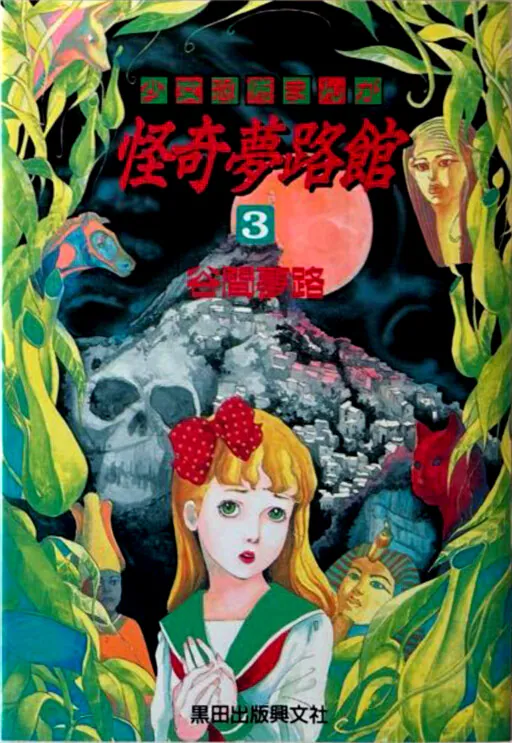 Yumeji's House of HorrorsSee it on collecto.rs
You turn a page and the paper feels different. Cheap newsprint from a small Japanese press in 1995 leaves grey ink on your thumbs if you press too hard. Mid-nineties horror manga lived on that edge. Small imprints printed a few thousand copies, shipped them to regional bookstores, and moved on to the next tankōbon.
Taniyama Yumeji’s first volume of Kaiki Yumejikan, often known to English collectors as Yumeji’s House of Horrors, sits squarely in that gap. The stories hit specific, absurd nerves. In "Who's My Right Hand?", a girl recovers from a traffic accident only to notice her reattached hand is growing thick and unnaturally hairy. In "The Mystery of the Annex Room", a paralyzed girl wakes up in her family's three-hundred-year-old home to find her mother standing over her bed. It is eerie, precise work. It was also printed once.
Unlike doujinshi sold at a single convention table—like the Madoka Magica fan work higher on this list—these retail books were technically distributed nationwide. They were just treated as disposable media. Readers threw them out, lent them away, or left them in damp basements. When a book combines a tiny initial print run with low survival rates, finding a clean copy thirty years later becomes a long game.
Tracking down copies from extinct publishers takes time, especially when titles never received official overseas translations. If you manage to find one, you can log the publication details, upload your own cover scans, and track condition notes on collecto.rs so the record stays clear.
8. Historical horror titles vanished into back catalogs#
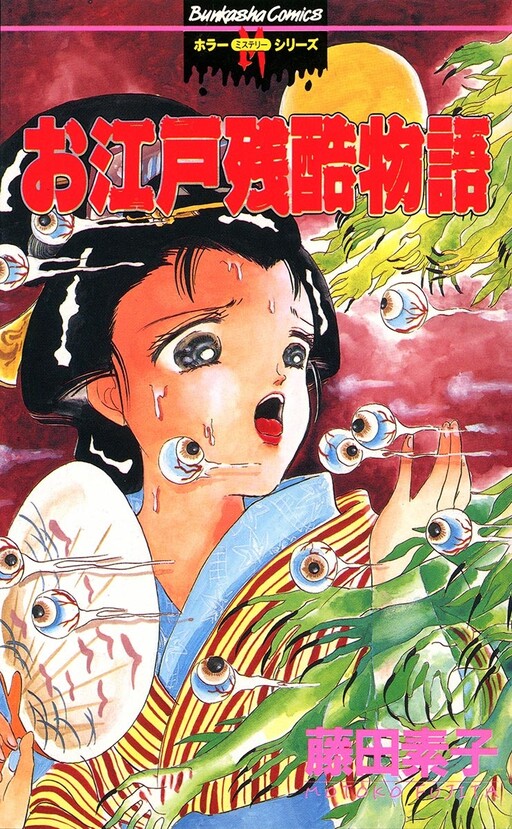 O-Edo Zankoku MonogatariSee it on collecto.rs
Most scarce manga become hard to find because everyone wanted them. O-Edo Zankoku Monogatari took the opposite route to rarity: almost no one noticed it when it landed in 1994.
Published by cosmic-horror specialist Fujita Motoko, this two-volume anthology collected Edo-period horror stories that readers treated as disposable paper at launch. Mainstream hits sat on shop shelves for years, but small-press imprint titles like this vanished straight into back catalogs without a second printing. It shares that quick-extinction trajectory with Yumeji's House of Horrors, another mid-nineties small-imprint nightmare, though Motoko's release traded in a specific blend of period cruelty, occult mysticism, and Edo-era violence.
The chapters themselves sound like a fever dream of late-night pulp fiction. Volume one includes stories like Hari Jigoku (Needle Hell) and Chi no FAN LETTER (Bloody Love Letters), ending on Zankoku Emaki (The Scroll of Cruelty). The second volume, subtitled Kai, pushes even further into surreal historical horror with Unagi Senbiki (A Thousand Eels), Juugoya no Ido (The Full Moon Well), and the magnificent Nekonabe Kitan (Strange Tale of the Cat Pot).
Tracking down both volumes today means searching through niche secondhand shops or watching private Japanese auctions for months. The ink bleeds on cheap newsprint, the covers show their age instantly, and the publisher never issued a digital collection. If you manage to find a copy with its spine intact, you hold a piece of small-press horror history that was almost lost entirely to the recycling bin.
7. Late-90s sci-fi printings saw limited distribution#
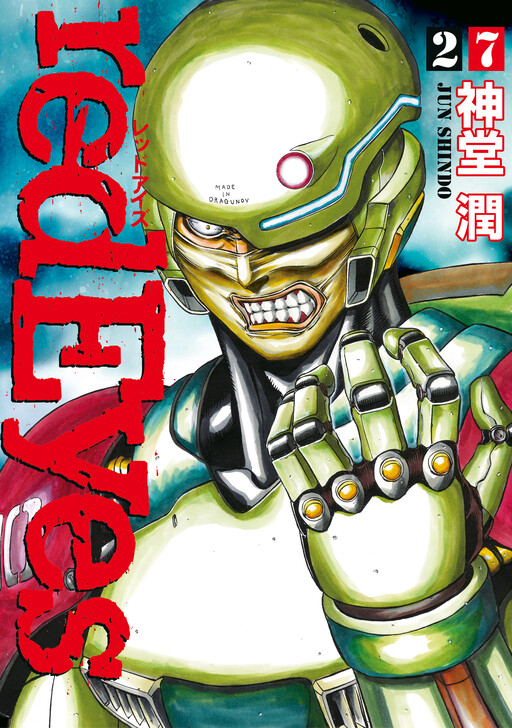 Red EyesSee it on collecto.rs
Volume nine print run: standard. Volume eleven: low. Volume fourteen: good luck.
Jun Shindo's sci-fi saga Red Eyes launched in 1999, right on the edge of the era's shift toward digital distribution. The story follows Captain Grahalt Mills, a disgraced commander using Special Assault Armor to hunt down the former squad mates who framed him for treason. It is a dense, tactical mecha comic built on military logistics and heavy hardware, but its real fight happened on bookstore shelves.
Long-running series often face a quiet attrition rate. The first few volumes sell well and get reprinted. By the middle stretch, reader interest stabilizes, print runs shrink to meet precise demand, and casual buyers drift away. If a publisher hits financial friction or shifts priorities, late-stage volumes become instant bottlenecks. Unlike Missile Happy!, which disappeared when mid-2000s publishers consolidated their romance imprints, Red Eyes simply outlasted its initial physical market. The middle books were produced in numbers that assumed nobody new was joining the audience.
That creates a specific headache for anyone trying to build a complete run. Early volumes are easy to acquire secondhand, making the initial entry point cheap. The scarcity sits tucked away in the double digits. Finding a clean copy of the mid-series releases means checking obscure secondhand shops, monitoring private sales, or waiting for a long-time owner to offload a full set in one go. You are not hunting a rare premiere issue. You are hunting the forgotten middle volumes that nobody thought to preserve when the press ran out of steam.
6. Early 2000s shojo series went out of print quickly#
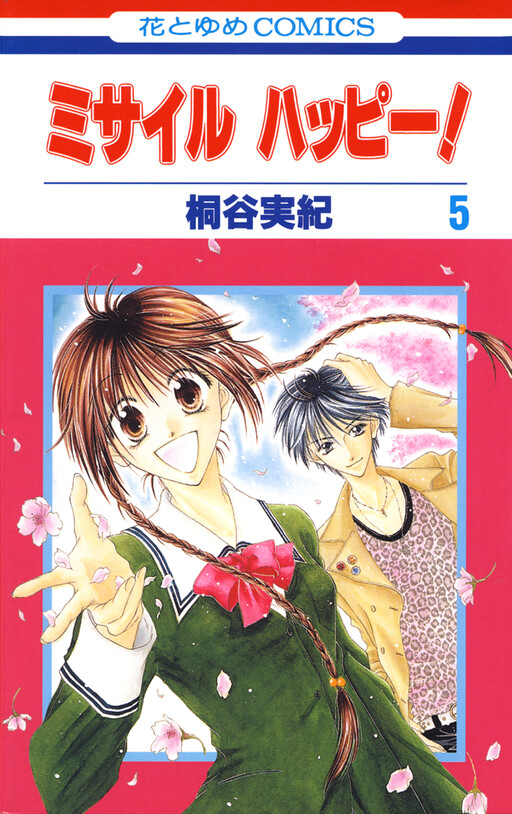 Missile Happy!See it on collecto.rs
What happens to a five-volume romance series when the mid-2000s manga boom hits a wall?
It vanishes. Miki Kiritani’s Missile Happy! ran in Hakusensha's Hana to Yume magazine starting in 2001, landing in English right as Western bookstores were carving out entire aisles for Tokyopop releases. The premise is pure shojo momentum: Mikako moves in with her sister’s prospective fiancé to derail the match, accompanied by a few backup stories about teenage crybabies and accidental confessions. It was light, charming, and printed on paper stock never intended to survive twenty years of shelf wear.
Then the market shifted. Larger publishers consolidated, smaller imprints closed, and middle-tier titles were dropped mid-run or left without reprint cycles. While mecha sagas like Red Eyes lost their print runs slowly as volume numbers climbed into the double digits, minor shojo series vanished all at once. If a bookstore did not sell its initial batch of volume four or five in 2007, those copies went into clearance bins or paper recyclers. Nobody was holding back backstock for a five-volume romantic comedy.
Finding a complete set today is less about tracking down a legendary rarity and more about hunting down forgotten paperbacks. The final two volumes were printed in dramatically lower numbers than the first, leaving hundreds of readers with incomplete runs. Yellowed spines, missing dust covers, and library stamps are standard on the surviving copies. You might spend two years waiting for a clean volume five to show up on an auction site, listed by a seller who found it in a box of old paperbacks. When it does, catalog it on collecto.rs so your shelf record stays intact, even if the original publisher has long since stopped tracking it.
5. Side stories get smaller print runs than main titles#
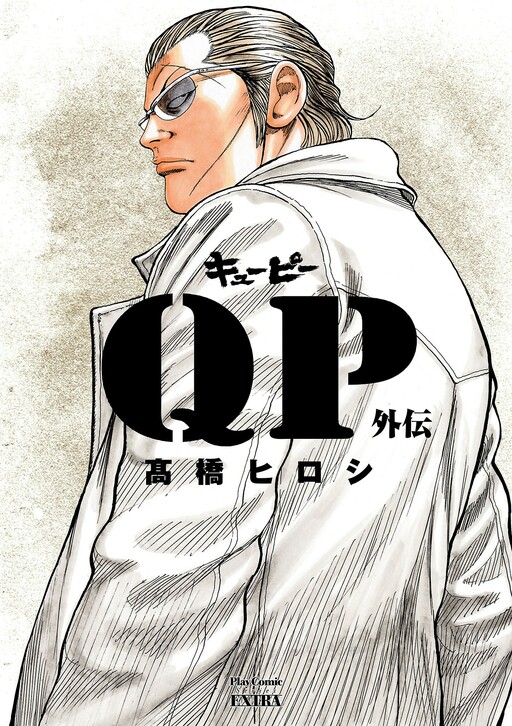 QP GaidenSee it on collecto.rs
You think the main series is the hard part. It rarely is. Hiroshi Takahashi's QP had its run, sold its copies, and sits on plenty of shelves. The real work begins when you look sideways at QP Gaiden.
Publishers treat spin-offs as bonus material. The print runs reflect that assumption. While the main title gets a wide initial release, a gaiden volume like this 2004 collection gets sized for the core audience only. The printer runs off enough to satisfy the readers who bought the last volume of the parent story, subtracts a percentage for safety, and moves on. They do not plan for the reader who finds the series five years later and wants every piece of the universe.
This is a different kind of scarcity than the later-volume drop-off you see with titles like Moonlight Act. With a long main series, the publisher slowly squeezes the print count as sales taper over time. You can watch the slide happen over thirty volumes. QP Gaiden starts at the bottom of that ramp. It was smaller on day one because it was a side story, containing short pieces set in and around the original narrative.
Finding one now means hunting down a volume that was printed in slim numbers for an audience that had already read the main work. If you have this one logged in your collection, check the spine alignment against the main set. The short run meant different paper stock and a slightly thinner card for the cover. They are minor details, but they are the exact things that make finding a clean copy worth the search.
4. Long shonen runs leave late volumes scarce#
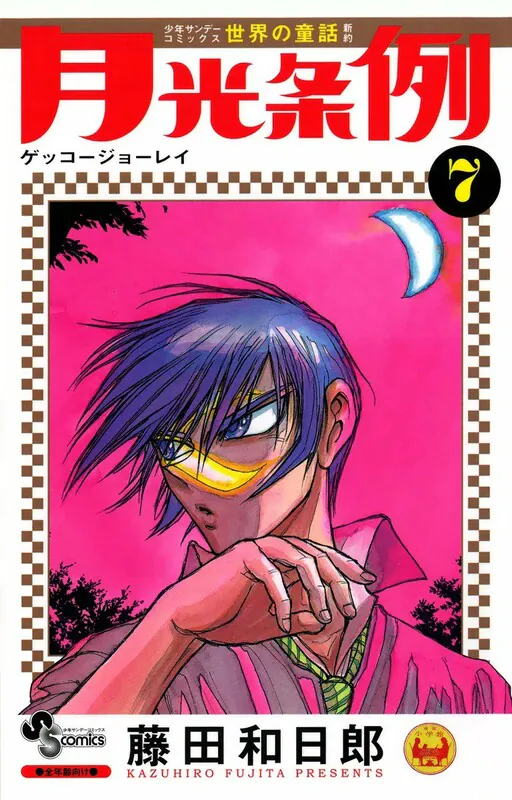 Moonlight ActSee it on collecto.rs
A box arrives from a seller in Osaka, taped at every seam. Inside, volumes 1 through 20 of Kazuhiro Fujita's Moonlight Act sit stacked in neat rows, their spine art lining up to form a continuous image. Then you look for volume 29. It is not in the box. It is not on any domestic marketplace today, and the three copies that sold last year disappeared within minutes of listing.
Most long-running shonen series follow a specific printing curve. When volume one drops in 2008, the print run is generous. Newsstands stock it, readers pick it up, and second-hand shops eventually flood with early volumes. By the time a series reaches its twenties, casual readers have dropped off. Publishers adjust accordingly. They shrink the press runs for late entries to match shrinking subscriber bases, turning the tail end of a twenty-nine-volume run into a bottleneck.
While spin-offs like QP Gaiden start with low numbers from day one, Moonlight Act tricks you. The early volumes are so common you can buy them for the cost of postage. That availability builds a false sense of security. You buy the first dozen books in a single purchase, assuming the rest will follow just as easily. Instead, you hit the wall around volume 22, where the print counts dropped sharply right before Shogakukan ended the run in 2014.
Fujita's story of Gekko Iwasaki and the blue moonlight that twists classic fairy tales into aggressive nightmares earned a dedicated following over its six-year run. Yet the physical survival rate of those final books remains tiny. They rarely appear in bulk lots, and when a complete set does surfaces, the price reflects those missing late volumes rather than the twenty-odd common ones sitting at the front.
3. Regional martial arts comics lack wider reprints#
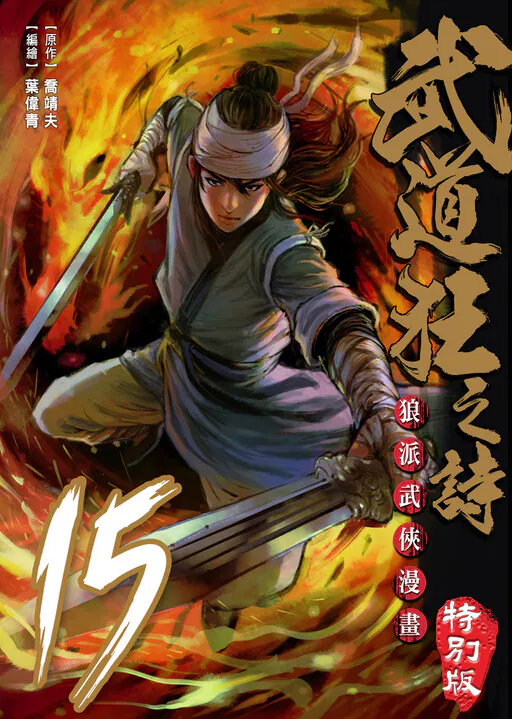 Blood and SteelSee it on collecto.rs
Most scarce manga become hard to track down because a publisher collapsed or a creator pulled the rights. Blood and Steel went missing for a much quieter reason: it was printed on the wrong side of a distribution border.
Written by Jo Jo and illustrated by Felix Chan, this Hong Kong manhua landed in English translation around 2011. The story starts with a total purge. The Wudang sect decides to eliminate every competing school to secure absolute martial supremacy. After the Qingcheng clan falls, a surviving young swordsman named Yan Heng pairs up with Jing Lie, a man who hunts Wudang disciples for his own reasons. They go after the survivors who tried to wipe them out. The art is dense, fluid, and violent, trading standard Japanese panel layouts for sweeping Chinese ink traditions.
Regional martial arts comics printed outside primary distribution hubs rarely receive global re-releases. Unlike Moonlight Act, where the print runs shrank slowly as the series dragged on, Blood and Steel suffered a hard break at the port of entry. The English physical release relied on regional distributors who ceased operations before the full run hit North American and European comic shops. The volumes that made it onto shelves were bought once and stayed on private bookracks.
You can occasionally spot a third or fourth volume in a secondhand shop, but complete sets almost never surface together. When local licensing deals evaporate, the inventory clears into local secondary markets without leaving a digital paper trail. If you are cataloging a full run, upload front and back cover scans alongside the ISBNs to collecto.rs so you have a permanent record of the translation credits before the paper degrades.
2. Niche sequels are printed for dedicated readers only#
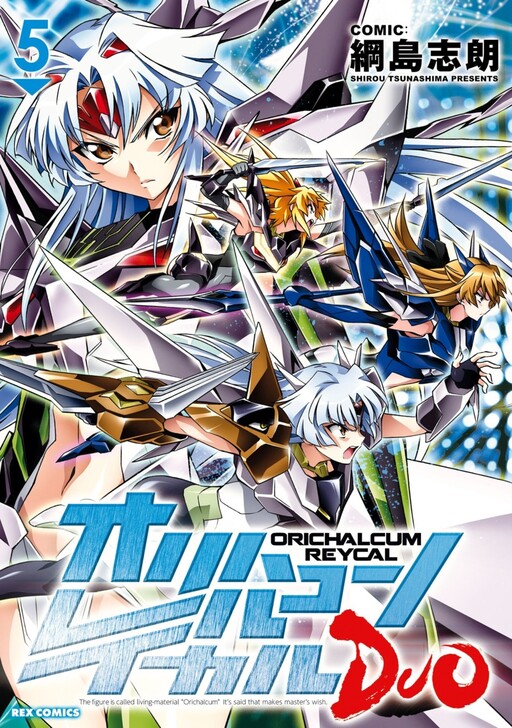 Orichalcum Reycal DUOSee it on collecto.rs
Printed copies available at launch: somewhere in the low thousands, with no reprint scheduled then or since. When a direct sequel shifts from a mainstream serialized magazine to a smaller niche imprint, the math changes immediately. Publishers cap the first edition to match a known, highly specific audience. They print what they know they can sell in week one, and they stop there. That was the reality for Orichalcum Reycal DUO when it arrived in 2013.
The narrative picks up after the battle with Rakless. Sakugi and his companions are still fighting the Orichalcum, but the arrival of a material life form named Mithril resets the stakes. Claiming superiority over the Orichalcum, Mithril distributes Down Orichalcum to humans carrying negative emotions, brainwashing other entities to revive Ballogram, an ancient armor howl forged thousands of years ago. It is dense, dedicated continuation work. If you were not already tracking the original runs, you missed the window entirely.
That tight distribution strategy creates a different kind of scarcity than the Showa-era movie adaptations on this list, like Cool Cola. Those promotional books were treated as disposable paper and thrown away by design. DUO was bought by people who kept it on the shelf, but almost nobody bought it in the first place. The copies exist, sealed in private collections across Japan, but they rarely circulate. Finding a volume requires monitoring domestic secondhand storefronts and waiting for a reader to clear out a very specific shelf.
Tracking print runs across multiple magazine shifts gets messy quickly. You can log Orichalcum Reycal DUO in collecto.rs to keep your publication dates, ISBNs, and edition details tied to one permanent record. When a copy finally surfaces, you will know exactly which gap in your collection it fills.
1. 1960s film adaptations were never meant to survive#
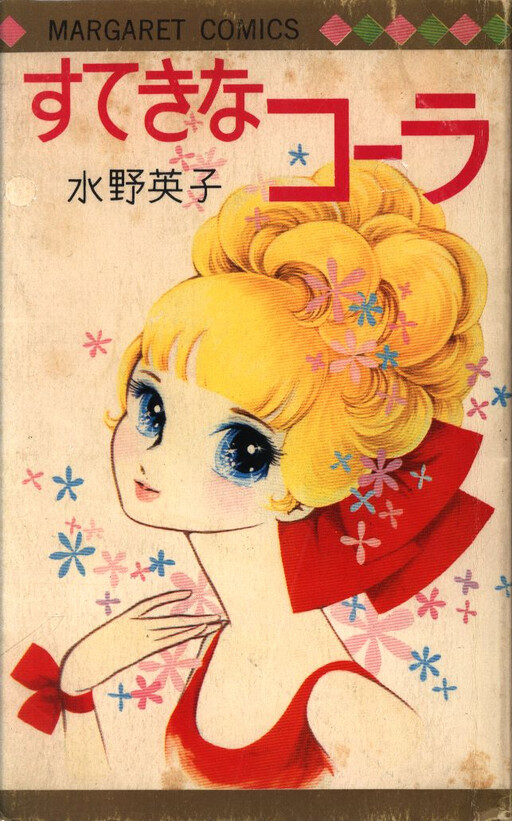 Cool ColaSee it on collecto.rs
A cinema usher in Shinjuku swept popcorn kernels off the floor in October 1968 and threw away a stack of thin paper booklets left on the seats. Nobody blamed him. Promos printed for a movie run were trash by Monday morning.
Cool Cola was never meant to sit on a shelf. Junko Mizuno drew this manga adaptation of the American film Sabrina as a promotional tied to the release. Bound inside were two other short adaptations: Cecilia, based on A Portrait of Jennie, and a version of Turgenev's novella First Love. Moviegoers bought them at the lobby concession stand, flipped through them during the trailers, and shoved them into coat pockets. They were cheap, ephemeral, and instantly discarded.
That intent changes how scarcity works. Sequels like Orichalcum Reycal DUO are hard to track down because publisher caps kept the original print run small. Cool Cola has a different problem entirely. The print run happened, but almost every copy went straight into Japanese garbage bins fifty years ago. The survivors did not make it through because someone recognized their historical value. They survived by pure accident in a drawer or at the bottom of a box in an attic.
Showa-era film tie-ins sit in a strange corner of the market. They rarely show up at major auction houses, and when one surfaces on a Japanese resale site, the listing stays live for minutes. Collectors who chase these do not wait for price drops. You either recognize the cover immediately or you miss it for another decade.
If you happen to hold one of these surviving copies, track it in your collecto.rs account. Logging the publication year and condition helps build a clearer picture of which ephemeral prints actually made it into the present day.
Finding these volumes is rarely a matter of dropping a large amount of cash at a single well-stocked dealer. It usually means monitoring Japanese auction sites at strange hours, learning how to search titles in their original kanji, and asking local comic shop owners to check their back rooms for boxes that haven't been opened since 2004.
The search itself changes how you view the medium. When you hold a late-run volume of an obscure series, you are holding the physical evidence of a very specific moment in publishing history: a time when an editor took a gamble, a printer set the plates for a few hundred copies, and almost everyone who bought one read it once and threw it away. The survivors are few, but they exist.
If you have managed to pull together any of these elusive runs, give them a permanent home. You can catalog your volumes, upload high-resolution cover scans, and track print editions on collecto.rs. It keeps your shelf data clean, organized, and fully exportable whenever you need it.
Frequently asked questions#
Why are some old manga series so expensive?#
Price follows supply. When a series goes out of print and publishers lose or drop the license, physical copies become finite. Low initial print runs from niche publishers make finding complete sets hard years later.
What makes a manga hard to find?#
Low print counts, brief publication windows, and canceled English localization runs. Self-published doujinshi and magazine-only series are also difficult to track down because they were never distributed through mass retail chains.
How can I track my physical manga collection?#
You can catalog your volumes on collecto.rs. It lets you log print editions, missing volumes, and condition notes in one place. Your data stays exportable whenever you need it.