The short version#
True rarity comes down to distribution constraints, short print runs, and physical attrition over time rather than modern set hype.
- Jupiter the Power Patron of Destruction
- Red-Eyes Black Dragon
- Crystal Beast Ruby Carbuncle
- Eradicating Aerosol
- Flawless Perfection of the Tenyi
- Chthonian Soldier
- Elemental HERO Phoenix Enforcer
- The Six Samurai - Zanji
- Gem-Knight Citrine
- Man-Eater Bug
Pulling a high-rarity card from a fresh booster pack feels like winning a small lottery. Modern sets lean into this experience, printing secret rares and parallel foils designed to drive a chase. But true scarcity in Yu-Gi-Oh! rarely happens by design inside a standard booster box. The hardest cards to track down usually became rare by accident, collateral damage from strange distribution decisions, tiny regional print runs, or physical attrition over two decades.
In the early years of the game, promo cards were tucked into gameboy games, attached to magazine spines, or handed out in plastic baggies at local retail chains. Paper stocks varied by region. Promo sheets were misprinted and discarded. Certain sets were distributed only to select stores, or released in single European countries right before a block was retired. Nobody was slabbing these cards in 2002. They were shuffled without sleeves on playground benches, bound with rubber bands, and thrown into shoeboxes. Thousands of copies vanished into landfill or wore down until the cardboard split.
When you look for these cards today, you are not fighting against a high price tag on a secondary marketplace. You are fighting against time and obscurity. A card might have a market value of thirty dollars, yet only surface on a public listing once every three years. Another might exist in quantity, but only in a single language variant printed for a market that stopped playing the game a decade ago.
This list skips the obvious trophy cards and tournament prize printings that everyone already knows about. Instead, it looks at the operational oddities: the short-printed regional promos, the forgotten league foils, and the foreign language variants that quietly vanished from circulation. These are the ten cards that will test your patience long before they test your budget.
| # | Item | Set / Year | Rarity |
|---|---|---|---|
| 1 | Jupiter the Power Patron of Destruction | Doom of Dimensions | starlight-rare |
| 2 | Red-Eyes Black Dragon | Swedish Shonen Jump 2005, Issue 12 promotional card | ultra-rare |
| 3 | Crystal Beast Ruby Carbuncle | Hobby League 5 participation card A | ultra-rare |
| 4 | Eradicating Aerosol | Gold Series 4: Pyramids Edition | common |
| 5 | Flawless Perfection of the Tenyi | OTS Tournament Pack 17 (POR) | super-rare |
| 6 | Chthonian Soldier | Mattel Action Figure promotional cards: Series 3 | — |
| 7 | Elemental HERO Phoenix Enforcer | Enemy of Justice | ultimate-rare |
| 8 | The Six Samurai - Zanji | Hobby League 5 participation card E | ultra-rare |
| 9 | Gem-Knight Citrine | Duel Terminal 6a | super-rare |
| 10 | Man-Eater Bug | Retro Pack | common |
10. Man-Eater Bug (Retro Pack)#
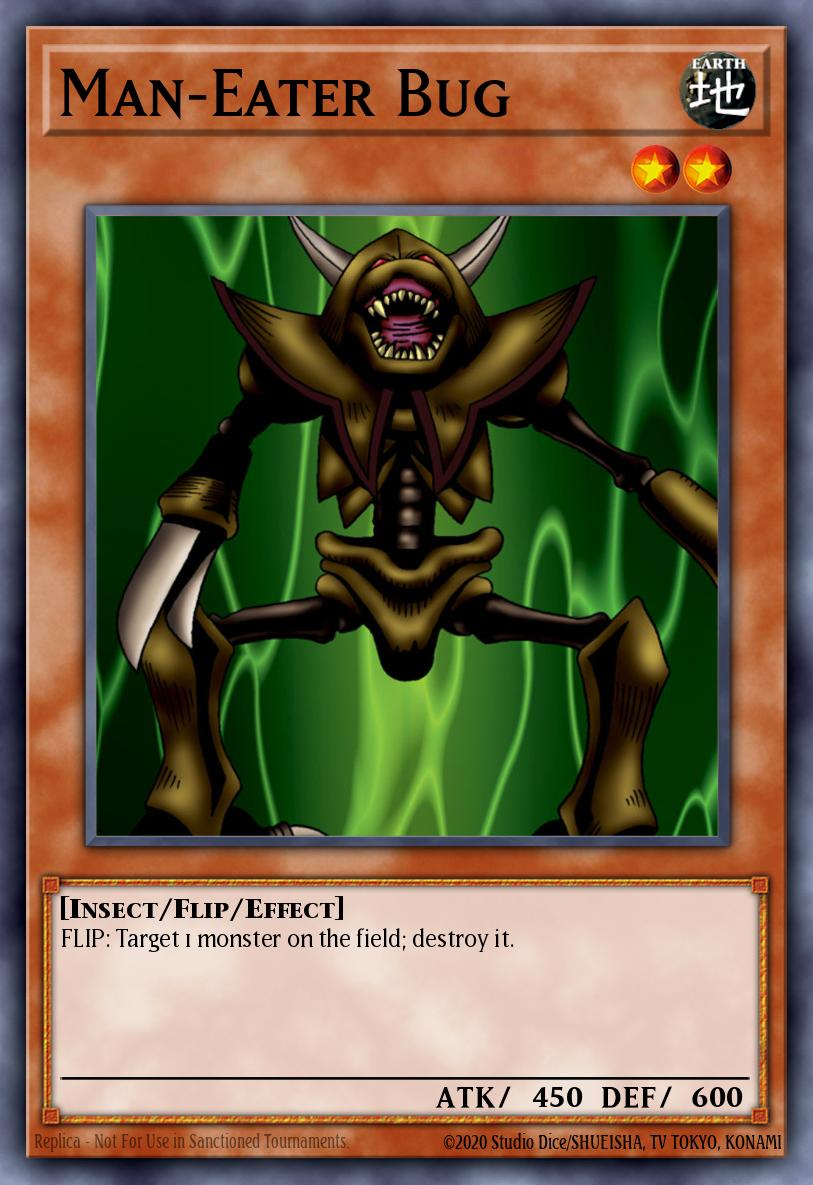 Man-Eater BugSee it on collecto.rs
You probably owned three of these in 2002. It was the card every player flipped during a playground duel to destroy a superior monster, printed so heavily in Legend of Blue Eyes White Dragon that finding one required zero effort. Then came Retro Pack in 2008. Designed to help European and North American players catch up on older, essential cards, the set received a severely restricted retail release. Target and Walmart barely stocked it. Local game stores received handfuls of booster boxes. The classic bug was suddenly hard to spot in the wild.
That distribution bottleneck changes how this print behaves compared to other scarce cards on this list. Where Gem-Knight Citrine was locked behind the physical quirks of Japanese Duel Terminal vending machines, this version of Man-Eater Bug suffered from plain old distribution scarcity. The card itself did not change. The artwork remains the same strange, gaping yellow jaws from the early days of the TCG, and the rarity symbol in the corner still reads as a simple common. Yet finding a clean copy today takes real patience.
Because it was printed as a common, few people sleeved them on release. They ended up in shoe boxes, rubber-banded decks, and tin cans tucked under beds. A card that was originally treated as disposable becomes a genuine search twenty years later when the total supply was small to begin with. You are not hunting a shiny foil or a short-printed secret rare here. You are hunting a basic piece of cardboard from a set that hit store shelves for a brief window and vanished before most people realized it was there.
9. Gem-Knight Citrine (Duel Terminal 6a)#
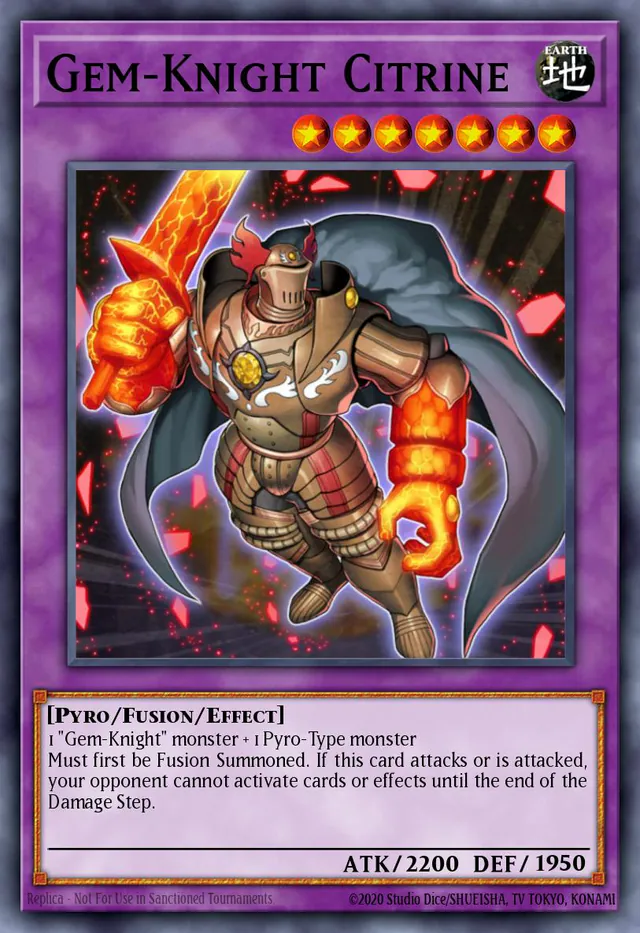 Gem-Knight CitrineSee it on collecto.rs
You insert a coin, turn the mechanical crank, and wait for a single piece of cardstock to drop into the tray. In the early 2010s, Konami placed arcade-style Duel Terminal cabinets in select hobby shops. These machines did not hand out booster packs. They dispensed individual cards, unfoiled or gleaming, directly into a player's hands. The distribution model meant every single copy was subject to immediate physical risk, machine jams, and the casual wear of a arcade setting.
Gem-Knight Citrine came from the Duel Terminal 6a set as a super rare. While cards like Man-Eater Bug faced thin retail distribution, Citrine was gated by the physical footprint of the machines themselves. If your local store did not lease a cabinet, you did not get the card. If the machine ran out of inventory, the run was over. You could not simply order another sealed booster box from a distributor to hunt for it.
Surviving copies carry the distinct arcade foil pattern overlaying the artwork. Finding one today without scratched surfaces or dinged corners requires patience. Most went straight from the dispenser tray into unsleeved school backpacks, played on rough shop tables without playmats. The card represents a brief moment when Konami experimented with how players acquired their decks, making clean examples far harder to locate than traditional set releases.
8. The Six Samurai - Zanji (Hobby League 5)#
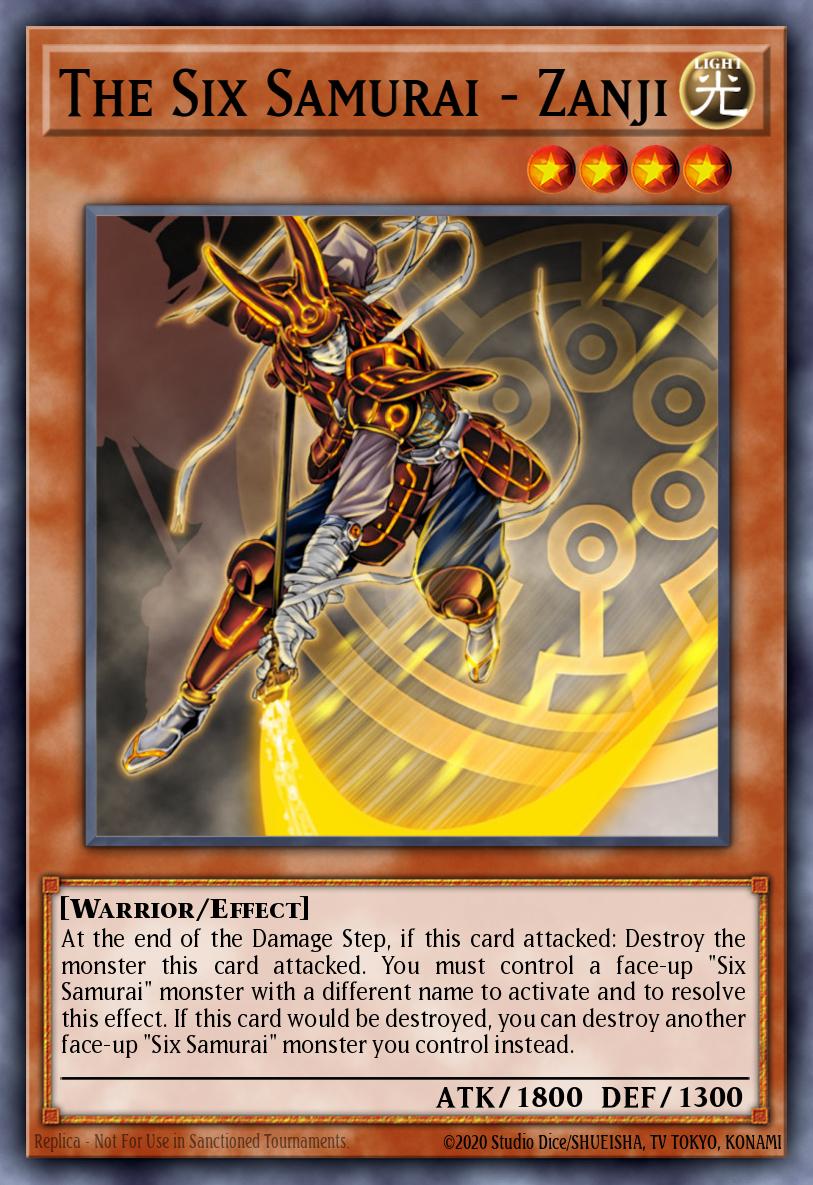 The Six Samurai - ZanjiSee it on collecto.rs
One in sixteen Hobby League promo packs contained this exact card. That distribution math was set before the first local tournament store opened its doors for season five. You could not buy a booster box off a shelf to hunt it. You had to show up, play, and get lucky with the organized play prize envelope sitting on the counter.
Hobby League promos hold a distinct place in Yu-Gi-Oh! history because of their physical finish and their distribution bottleneck. Upper Deck produced these Ultra Rare variants with a heavy parallel foil layer that covered the entire face of the card. The plastic coating was prone to peeling at the edges right out of the wrapper. Player wallets and deck boxes did the rest of the damage over the next fifteen years. Most copies were shuffled unsleeved on dirty shop tables because, at the time, Zanji was a functional staple for a competitive deck rather than a display piece.
While Elemental HERO Phoenix Enforcer owes its scarcity to traditional secret rare pull rates across massive retail print runs, Zanji was constrained by the number of sanctioned stores receiving official event kits. If a venue ran four events a month, they received a fixed allocation of prize packs. When the season ended, the print run ended. There were no second edition printings or retail tins to dilute the supply.
Tracking down a copy today means finding one that survived both the league floor and the unique degradation of the Hobby League foil process. Most surviving examples carry cloudy surface scratches or edge lift from humidity. Finding an unpeeled, sharp-cornered specimen requires looking through old binder collections from players who left the tournament circuit years ago.
7. Elemental HERO Phoenix Enforcer (Enemy of Justice)#
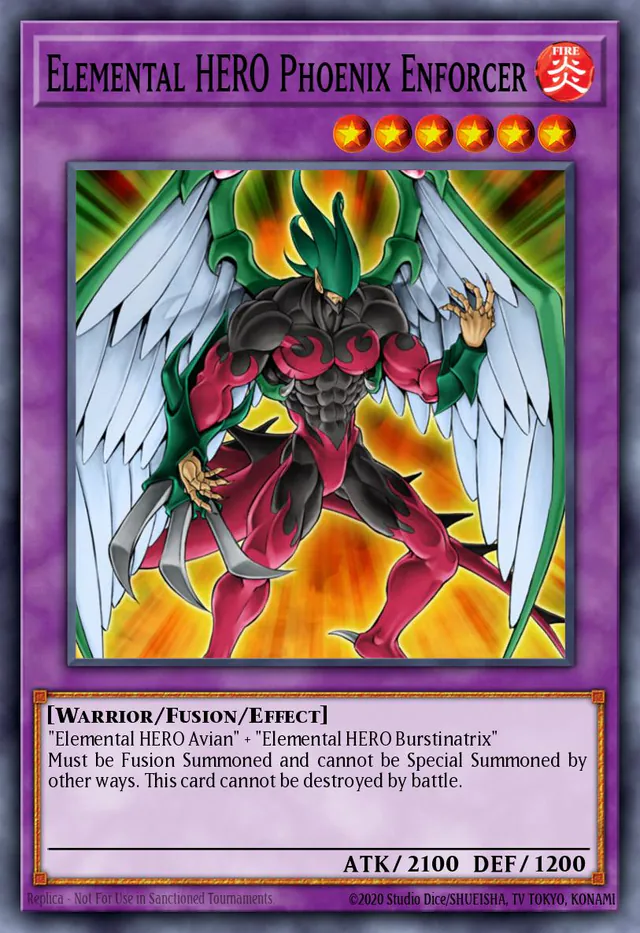 Elemental HERO Phoenix EnforcerSee it on collecto.rs
You pull the foil card out of a 2006 booster pack, slide it into your deck, and shuffle. You play with it on school lunch tables, store floors, and carpeted bedrooms. You do that for two years. That is how most Ultimate Rare cards from the mid-2000s died, one unsheathed shuffle at a time.
Elemental HERO Phoenix Enforcer sits in Enemy of Justice as an Ultimate Rare. The foil pattern in this print run is stamped directly into the card stock, creating a textured, recessed surface across the artwork and attribute icon. That stamping process made the card stock stiffer and the edges brittle. Right out of the foil wrapper, the back corners showed white paper flaking off the blue borders. If you played it without a sleeve, the textured foil on the front peeled away from the cardboard base within a few months.
Pull rates in 2006 made the initial search hard enough. An Ultimate Rare occupied a specific slot in a booster box, landing roughly once every two to three boxes. Getting a specific top-rarity card out of a set with twenty different Ultimate Rares meant opening dozens of sealed boxes. Most players who pulled Phoenix Enforcer put it straight into a Fusion Deck and went to work.
That creates a different kind of scarcity than something like Chthonian Soldier. A toy promo card leaves the factory in tiny numbers, but a set-printed Ultimate Rare starts with a decent print run and loses ninety percent of its clean copies to actual play. Finding an Enemy of Justice Phoenix Enforcer today is easy. Finding one where the stamped borders have not flaked into gray dust is the actual hunt.
6. Chthonian Soldier (Mattel Action Figure Series 3)#
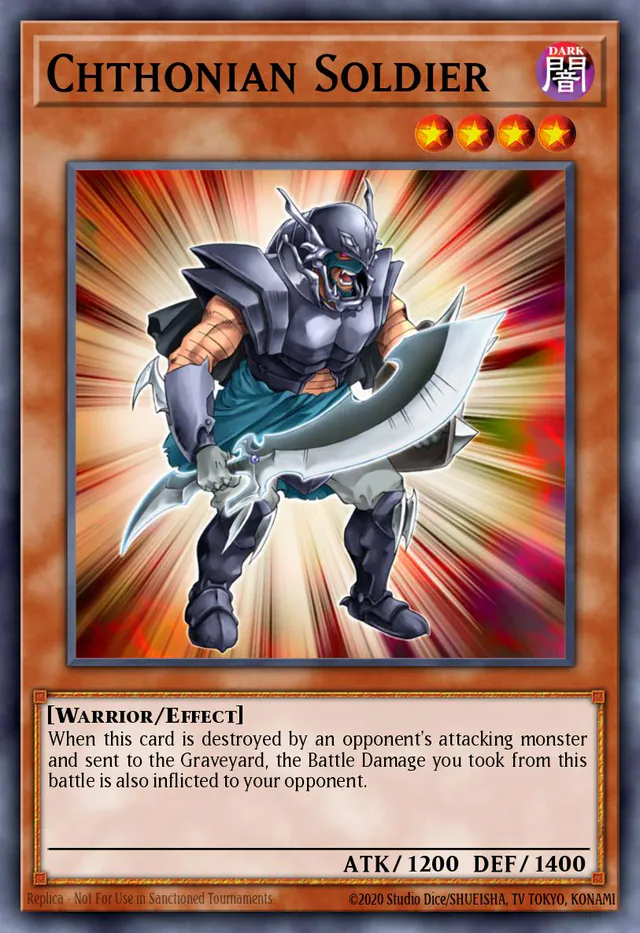 Chthonian SoldierSee it on collecto.rs
You would be forgiven for mistaking this card for common bulk. It is an unassuming Level 4 Effect Monster with a modest stats line and an effect that barely turns heads in casual play. The rarity does not come from a secret rare foil shift or a brutal pull rate inside a standard booster pack. It comes from where the card lived before anyone thought to put it in a binder.
Mattel packaged this print of Chthonian Soldier inside the blister pack of an action figure in the mid-2000s. To get the card, you bought the toy. Most people who bought the toy were kids who ripped open the plastic packaging, threw the card onto a bedroom floor, and played with the plastic figure. Cross-merchandise promotions suffer from a brutal attrition rate. While cards like Elemental HERO Phoenix Enforcer faced low pull rates inside game stores where players sleeved their pulls immediately, Chthonian Soldier spent its first week sitting at the bottom of a toy box underneath plastic limbs.
That difference in origin changes the surviving population entirely. Finding a copy today is not just a matter of hunting down an old collection. You are looking for a promo card that survived decades of toy-aisle handling without getting bent, scratched, or lost behind a radiator. The card itself is simple, but the path it took to remain intact is narrow. When Mattel wrapped up Series 3 of their action figure line, the remaining stock vanished into retail history, leaving a remarkably small pool of clean copies for anyone trying to complete a promo set.
5. Flawless Perfection of the Tenyi (OTS Pack 17 Portuguese)#
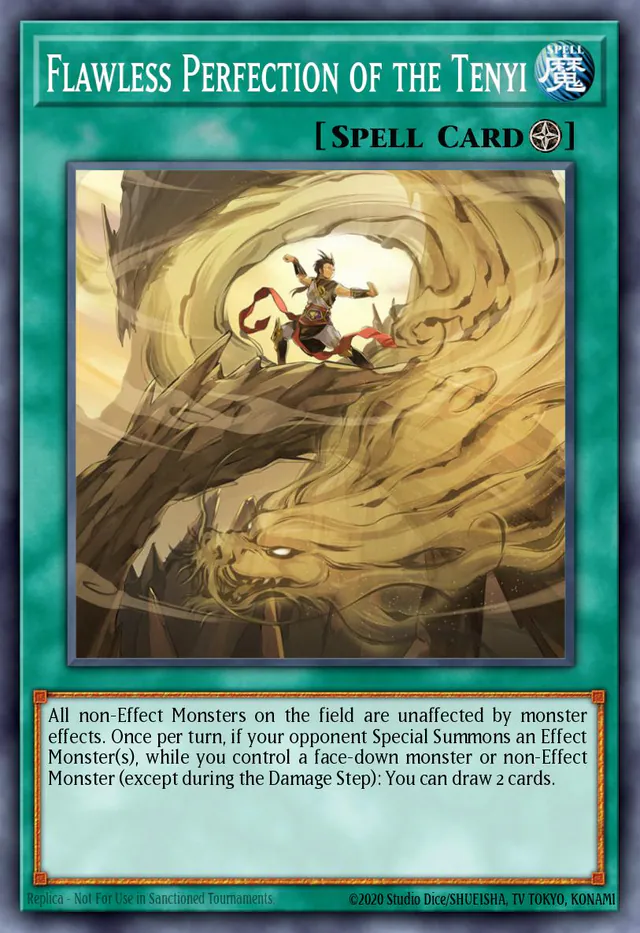 Flawless Perfection of the TenyiSee it on collecto.rs
How far are you willing to narrow the geographic search for a single piece of foil? Take a standard field spell from a main booster, print it as a Super Rare inside Official Tournament Store packs, and restrict that print run to Portuguese language distribution. The math collapses immediately. The pool of available copies is not capped by a limited print run alone, but by the physical borders of the region receiving the shipments. Most players who opened OTS Pack 17 in Portugal slotted their copies directly into extra decks or trade binders within their local game stores. Very few ever left the Iberian Peninsula.
While cards like Chthonian Soldier face heavy attrition because toy buyers threw the promos into drawers, language-locked tournament stock disappears through pure isolation. The card itself is not ancient history. It belongs to modern play, which creates a different kind of scarcity. Modern collectors know precisely what the card does, but finding a seller willing to post a Portuguese Super Rare overseas requires constant forum monitoring and a lot of patience. If a player in Lisbon put three copies into a deckbox in 2021, those copies might still be sitting in that same deckbox today, entirely disconnected from the global secondary market.
When a regional card stays in its home region, the global census remains a guess. You can log an English or German print in seconds, but localized OTS foils require a dedicated search through localized networks. If you managed to secure one, log the language tag and condition in your collecto.rs catalog so your regional variants stay distinct from the standard printings.
4. Eradicating Aerosol (Gold Series 4)#
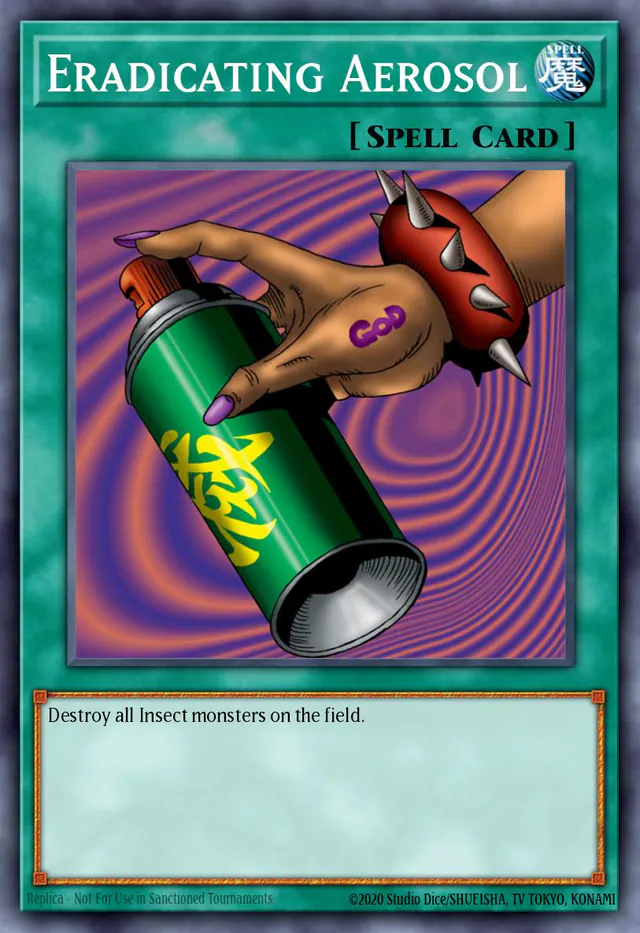 Eradicating AerosolSee it on collecto.rs
A five-thousand-dollar card gets stored in a top loader, locked in a safe, and tracked on spreadsheets. A short-printed common gets tossed into a shoe box under the bed with four hundred other cards from the same booster box. You notice the five-thousand-dollar card because everyone is shouting about it. You miss Eradicating Aerosol because it looks like fifty other cards you threw away in 2011.
Gold Series 4: Pyramids Edition was designed around high-rarity reprints of iconic monsters like Dark Magician and Obelisk the Tormentor. Players bought cases chasing the gold foils. Tucked between those shiny pulls were the commons. Konami printed certain commons in significantly lower quantities than others in the set, a practice known as short-printing. Because the community was focused entirely on the gold rare cards, massive amounts of sealed Gold Series 4 product were opened, stripped of their top hits, and the remaining bulk was sold off in unlabeled gallon bags or dumped into local game shop bargain bins.
While Crystal Beast Ruby Carbuncle suffered from physical durability issues that ruined pristine copies, Eradicating Aerosol faced a different filter: simple neglect. Common cards rarely made it into binder sleeves. They sat in damp basements, suffered corner dings in loose storage, or ended up in trash cans when players cleaned out their childhood closets. Finding a copy today isn't hard because the card was expensive to buy at release. It is hard because nobody thought it was worth keeping.
When a specific common trap card suddenly becomes relevant in a modern tournament strategy, thousands of collectors go hunting through their dusty bulk boxes. Most discover they gave those boxes away ten years ago. The scarcity isn't from a low print run of the set itself, but from the quiet attrition of things we think have no value.
3. Crystal Beast Ruby Carbuncle (Hobby League 5)#
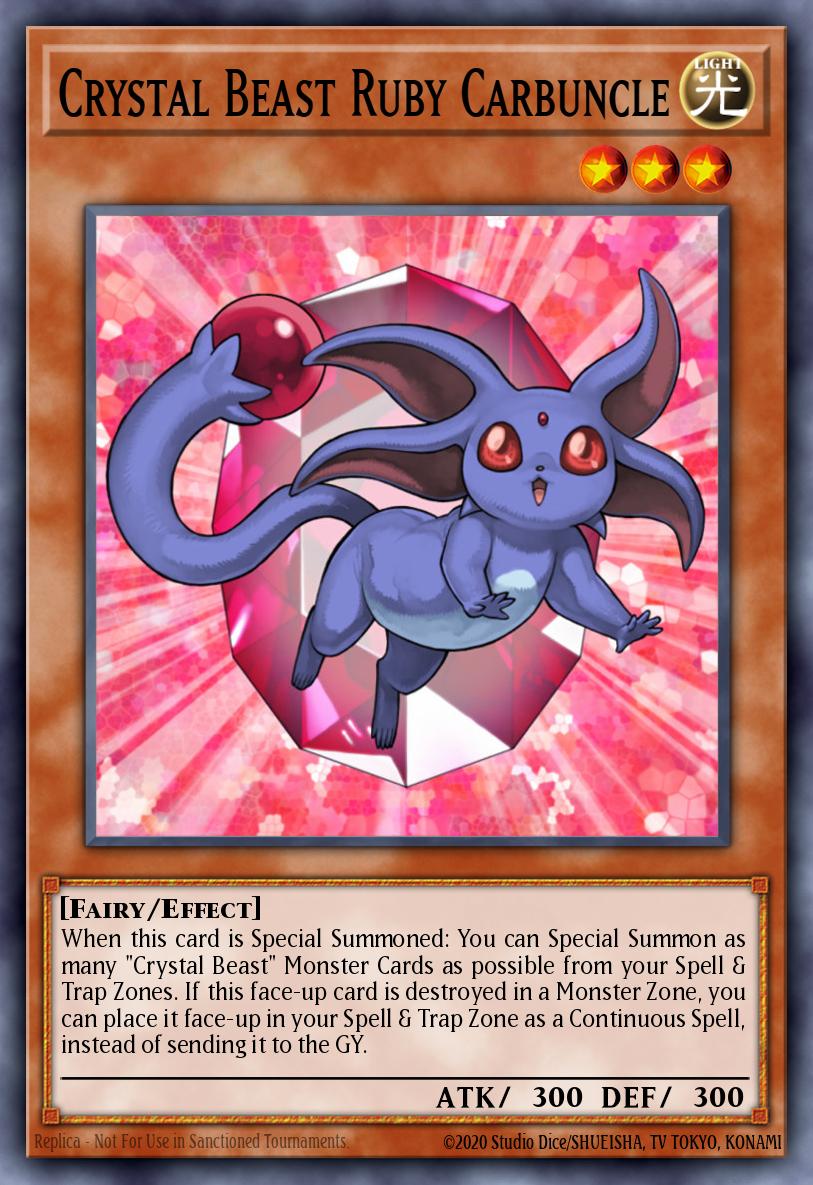 Crystal Beast Ruby CarbuncleSee it on collecto.rs
The card bends before you even pull it out of the clear wrapper. In 2007, local game stores handed out Hobby League participation cards directly across the counter, completely unprotected. Most kids shuffled Ruby Carbuncle straight into a unsleeved sixty-card deck, pressed it into a plastic deck box, and threw it in a backpack. The parallel foil coating unique to this league run made that routine fatal. The surface layer is unusually thick, stiff, and prone to severe peeling along the top margin. Finding a copy that survived sixteen years of casual play without edge wear or clouding is a distinct challenge.
While cards like Eradicating Aerosol became rare because short-printed commons quietly vanished into unsorted bulk boxes, Ruby Carbuncle had the opposite problem. Everyone knew where it came from, and almost everyone played it. The ultra-rare printing from Hobby League 5 saw heavy table time because its effect let players special summon as many Crystal Beast cards as possible from their spell and trap zones. A card designed to be slammed onto playmats every weekend rarely stays pristine. The foil reacts poorly to humidity, causing the top layer to curl away from the cardstock substrate even if it sat untouched in a binder.
Today, the scarcity comes down to condition rather than raw print counts. High-grade copies are scarce because the manufacturing method actively worked against the card's survival. When you catalogue this card on collecto.rs under Hobby League 5 participation card A, note the edges under a direct light. The difference between a lightly played copy and a clean ultra-rare surface is obvious the second the foil catches the lamp.
2. Red-Eyes Black Dragon (Swedish Shonen Jump 2005)#
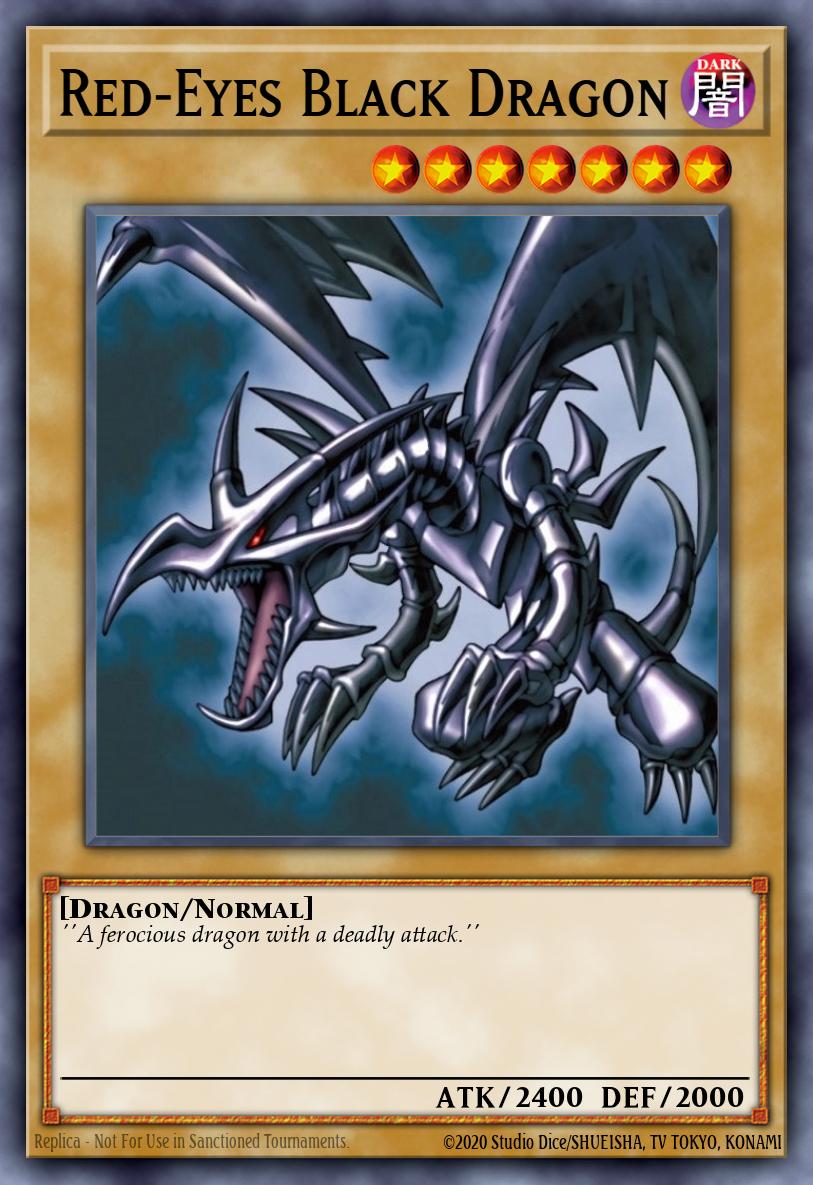 Red-Eyes Black DragonSee it on collecto.rs
One issue. One country. One month in 2005.
International magazine promos usually follow a predictable path. A publisher licenses the artwork, prints the English-language card in standard quantities, and distributes it across North America and Europe. In late 2005, the Swedish edition of Shonen Jump broke that pattern. Issue 12 included a specific print of Red-Eyes Black Dragon as a loose insert. The magazine had a small circulation, localized strictly to Sweden. Most copies were opened by kids, tossed into backpacks, or thrown away with the paper recycling at the end of the month.
That creates a different kind of hurdle than a card like Jupiter the Power Patron of Destruction. With modern set releases, you can always buy another sealed case and chase the math. The odds are steep, but the supply exists behind factory plastic. With the Swedish Red-Eyes, the supply was locked the moment that single issue left newsstands. You cannot open a fresh case to find one twenty years later.
Finding this card today means searching regional Swedish auction sites, translating forum posts, and hoping a seller understands how to package cardstock for international shipping. High-grade copies are almost non-existent. The promo sat loose against newsprint pages without a rigid pack to protect the corners. Most surviving examples show heavy edge wear, surface scuffs, and soft corners from decades of casual handling.
If you happen to track one down, collecto.rs gives you a clean place to document the provenance, upload high-resolution scans of those fragile Swedish edges, and keep the acquisition history alongside the rest of your set.
1. Jupiter the Power Patron of Destruction (Doom of Dimensions)#
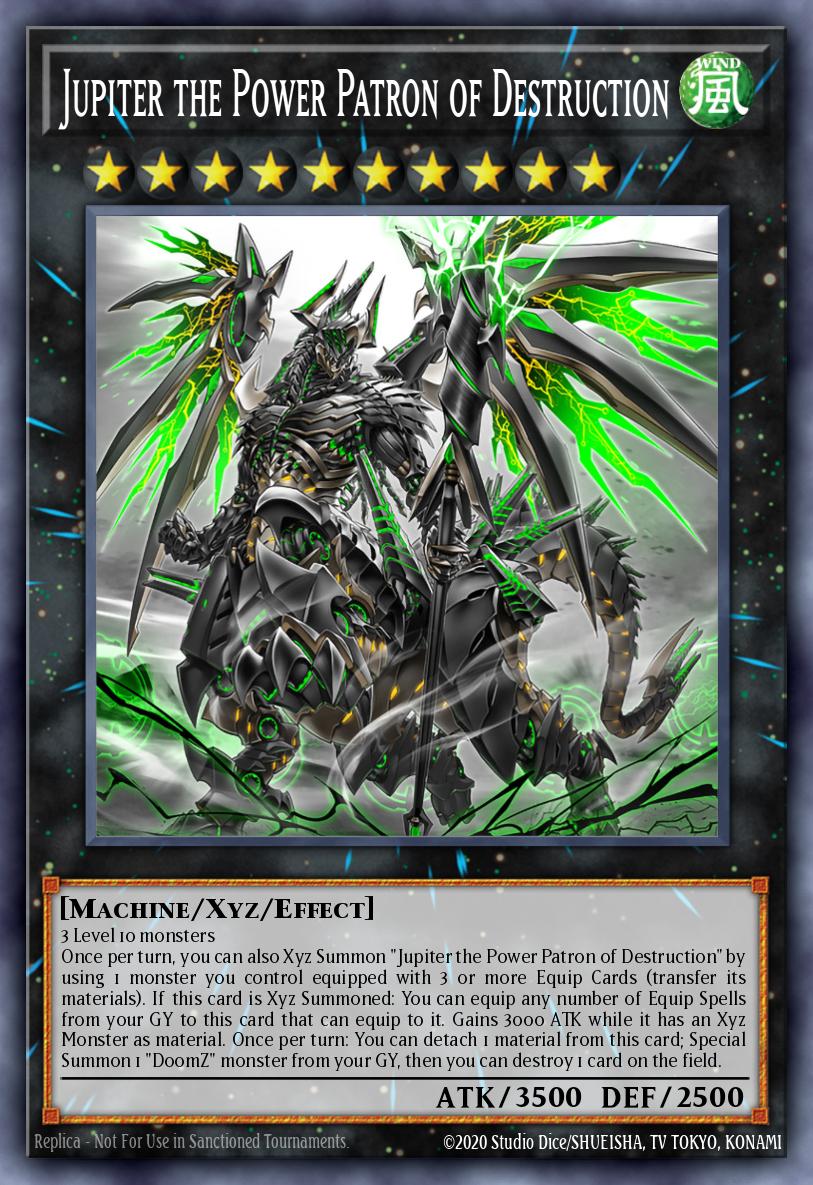 Jupiter the Power Patron of DestructionSee it on collecto.rs
You crack the seal on a fresh cardboard case, pull out the first of twelve booster boxes, and begin systematically tearing through twenty-four foil packs. Three hours later, your dining room table is covered in stacks of common bulk, a modest pile of secret rares, and precisely zero copies of the one card you bought the case to find. That is the math behind a Starlight Rare in Doom of Dimensions. You can open a full master case and still come up empty.
Most cards on this list owe their scarcity to time or geography. The single-issue magazine promos for Red-Eyes Black Dragon were printed once, shipped to a few specific countries, and left to survive two decades of schoolyard play. Jupiter the Power Patron of Destruction takes the opposite route. It is a modern release from a set you can buy off the shelf today, yet finding one in the wild requires clearing out an entire store's inventory and getting lucky on the final pack.
Starlight Rares replace the standard foil pattern with a parallel holo coating that covers the entire face of the card, text box included. The printing process is intricate, and Konami keeps the pull rates notoriously low. You are looking at odds worse than one per case. That structural limit shifts the hunt from estate sales and overseas auctions back to the local game store counter. When a card is this hard to pull from fresh wax, the chase happens in real time, one sealed box at a time.
If you hold a copy, keep the lighting soft when you photograph it for your collection on collecto.rs. High-contrast glare washes out the full-surface foil pattern, making a Starlight Rare look like an ordinary secret rare in a digital gallery.
Building a collection around operational anomalies requires a different kind of patience. You cannot simply save up a balance, open a marketplace tab, and click buy. You end up reading old forum posts from 2007, translating search queries for regional classified sites, and asking retired tournament judges if they still have their old binder stored in an attic. The hunt becomes structural rather than financial.
That friction is what keeps the hobby grounded. When every modern secret rare is sleeved at the pack break and immediately preserved in plastic, the cards with actual history stand out. They carry the marks of their odd distribution: the slight foil warping from a magazine insert, the specific European card stock, or the light surface scuffing from a promo baggie. They prove that someone had to physically be in a specific room, in a specific city, during a very narrow window of time to acquire them.
When you eventually find the variant you have been hunting for, give it a permanent home. You can catalog your finds, track the obscure print variations, and display your collection on collecto.rs. The data remains yours to export whenever you want, free of charge. The hard part is over once the card arrives in the mail.
Frequently asked questions#
What makes a Yu-Gi-Oh! card hard to find?#
Physical availability depends on how a card entered circulation. Limited distribution runs, regional exclusives, old promo inserts, and low pulling odds in older sets limit the surviving supply. Modern reprints may lower a card's price, but finding an original printing in clean condition remains difficult due to natural wear and loss over the years.
Are high-value Yu-Gi-Oh! cards always the hardest to find?#
No. Market value reflects demand, while scarcity reflects physical supply. Certain old commons, specific foreign promo releases, and obscure event cards exist in very small numbers but lack the widespread competitive hype that drives four-figure prices. They remain exceptionally hard to find even if few people are actively bidding on them.
How do short-printed cards work in older sets?#
In older booster releases, manufacturers printed specific cards within a rarity tier less frequently than others on the same sheet. These are known as short prints. A collector opening a sealed booster box in those eras had significantly lower odds of pulling those specific cards compared to other commons or rares in the set.