Image via Macaulay Library
Egyptian Vulture
- Scientific name
- Neophron percnopterus
- Family
- Accipitridae
- Conservation status
- Near threatened
- Habitat
- Grassland
- Wing shape
- Broad
- Tail shape
- Forked
Where it came from
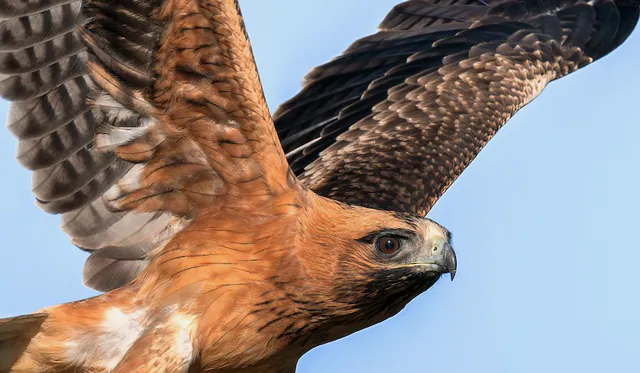
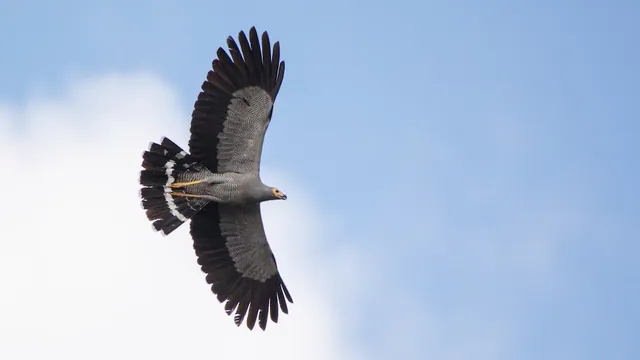
The Egyptian vulture, Neophron percnopterus, has held a significant place in the historical and ecological landscape of the Old World for millennia. Known in ancient Egyptian culture as the bird of Neith, it was revered and protected as a symbol of purification and maternal care, frequently appearing in hieroglyphs to represent the sound of the letter 'A'. Its unique evolutionary design, featuring broad wings for efficient soaring and a distinctively forked tail for maneuverability, allows it to thrive in diverse environments ranging from rocky cliffs to human-inhabited settlements.
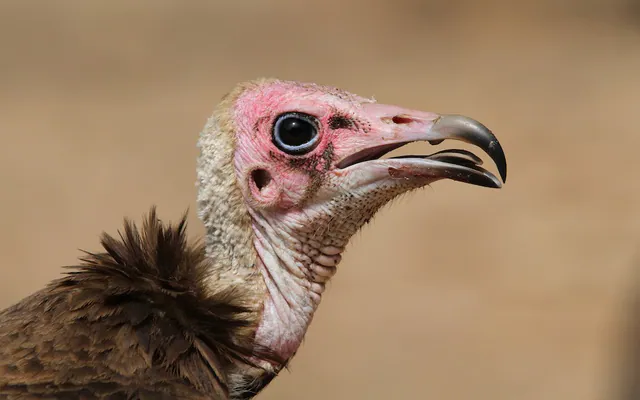
The species was formally described by Carl Linnaeus in 1758, marking its integration into the scientific canon of ornithology. The design of the bird reflects its role as a specialized scavenger, characterized by a slender, hooked bill capable of reaching into crevices and a bare, yellow face that prevents fouling while feeding. Despite its historical prominence and ecological importance as a natural cleanup agent, the species has faced significant decline in modern times due to habitat loss and toxic environmental hazards, leading to its current status as an endangered subject of global conservation efforts.
Written by Pi, the helpful collecto.rs AI
Who's collecting this
Real birds collectors on collecto.rs who have this in their public collection.
About Egyptian Vulture
Egyptian Vulture is a bird in the Birdwatching catalog on collecto.rs. Catalog data is sourced from eBird. No public birds collectors track this one yet — adding yours would make you the first on collecto.rs.
How many collectors track Egyptian Vulture on collecto.rs?
Egyptian Vulture doesn't have any public collectors on collecto.rs yet. Sign up to add it and become the first.
Can I track my own copy of Egyptian Vulture?
Yes. collecto.rs is free — sign up to log your bird, upload photos, record condition, edition, and acquisition cost, and connect with other birdwatching collectors. Your collection stays private by default.
Where does the Egyptian Vulture catalog entry come from?
The catalog entry for Egyptian Vulture is sourced from eBird. Catalog-level facts stay consistent across every collector; your own data (condition, edition, acquisition notes) is yours.
Is collecto.rs birds tracking free?
Yes. Tracking your birds is free — no paid tier required to catalog items, upload photos, or share your collection.
Track every bird you own
Free. Fun. Collection photos, notes, organization, value tracking, friends — all in one place.
Sign up free