





Pikachu Illustrator
Awarded to winners of illustration contests in Japan in the late 1990s, this card is widely considered the most elusive and legendary prize in the hobby.
Browse public cards added by real collectors. Search the catalog from the bar above, dig into the lore, and see who's collecting what.
Pokémon cards emerged from the 1996 debut of the video game franchise in Japan, quickly evolving from a children's game into a global cultural phenomenon. Collecting them bridges the gap between competitive strategy and childhood nostalgia, as fans chase iconic artwork and elusive holographic treasures. For many, the hobby is as much about the thrill of discovery in a booster pack as it is about preserving a significant piece of modern gaming history.
The inception of the Pokémon Trading Card Game, characterized by the legendary Base Set and the immediate international sensation that followed its release.
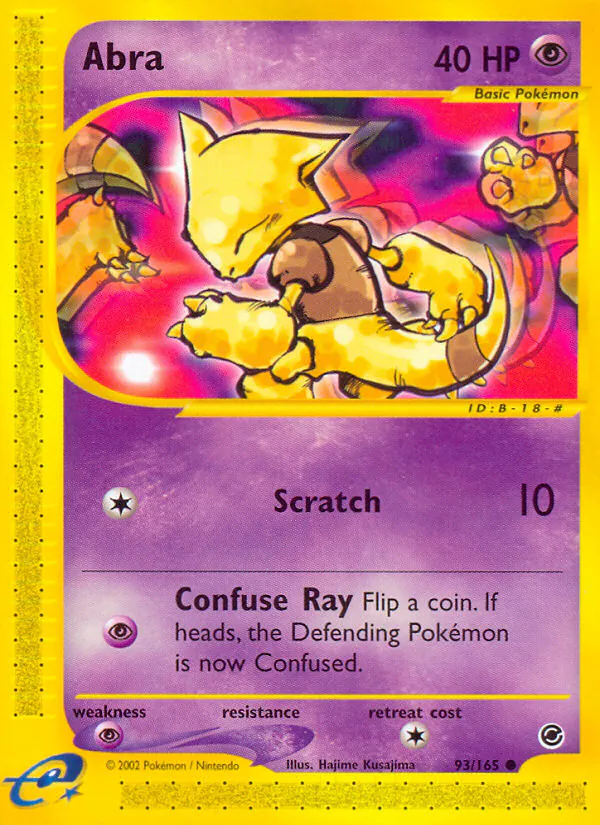
This period introduced Generation II Pokémon and experimental features like the e-Reader compatibility, which utilized dot-code scanning technology on physical cards.
Ownership transitioned to The Pokémon Company International, introducing powerful Pokémon-ex mechanics and expanding the roster through the Sinnoh region.
The hobby transitioned into a period of extreme popularity, defined by high-rarity alternate art cards, full-art designs, and a massive community focused on professional grading and preservation.
The cards collectors whisper about — the legendary finds that define the hobby.
Awarded to winners of illustration contests in Japan in the late 1990s, this card is widely considered the most elusive and legendary prize in the hobby.
The pinnacle of the original Base Set, this card is iconic for its lack of a drop-shadow on the art box and its status as the definitive chase card for collectors.
Distributed to participants in an exclusive 1999 tournament in Hawaii, these cards remain extremely rare due to their limited distribution at a specific event.
Awarded to families who performed well in a specific Japanese tournament, this card is prized for its unique commemorative art and scarcity.
Rarity notes come from general collector knowledge — not from collecto.rs collection data.
Real collectors with public cards on collecto.rs — each card links straight to their shelves.

Carnivorous plant grower, vintage & 151 Pokemon TCG enthusiast, comic collector (Spawn!) & record dabbler.

I like Pokémon and carnivorous plants!

Grower from the Carolinas, specializing in Carnivorous plants but I also grow other natives, orchids, and ephemerals. Currently a pre-med grad student.
Bonn-based civil servant by day. Currently spending my weekends birdwatching in the Eifel or organizing my growing Pokémon collection. Started as a side hustle, ended up keeping the best cards for myself.
Software architect based in Kraków. Spent my career writing complex systems, but my evenings are now for organizing my partner's growing collection. Slowly becoming a fan of these plastic figures and holographic cards myself.
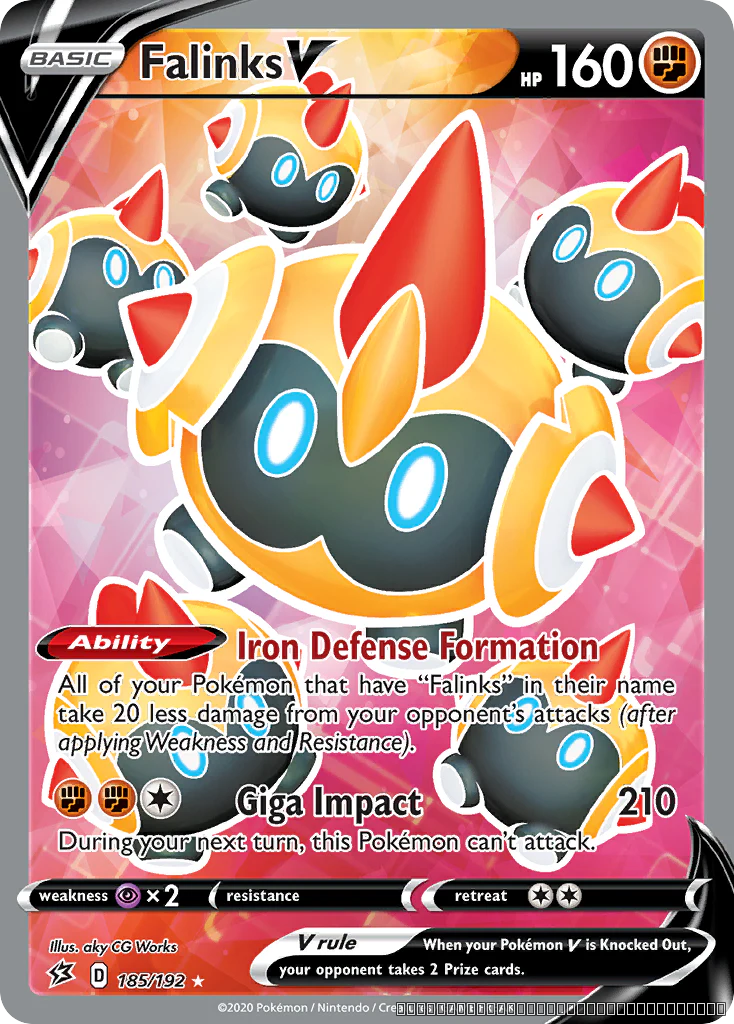
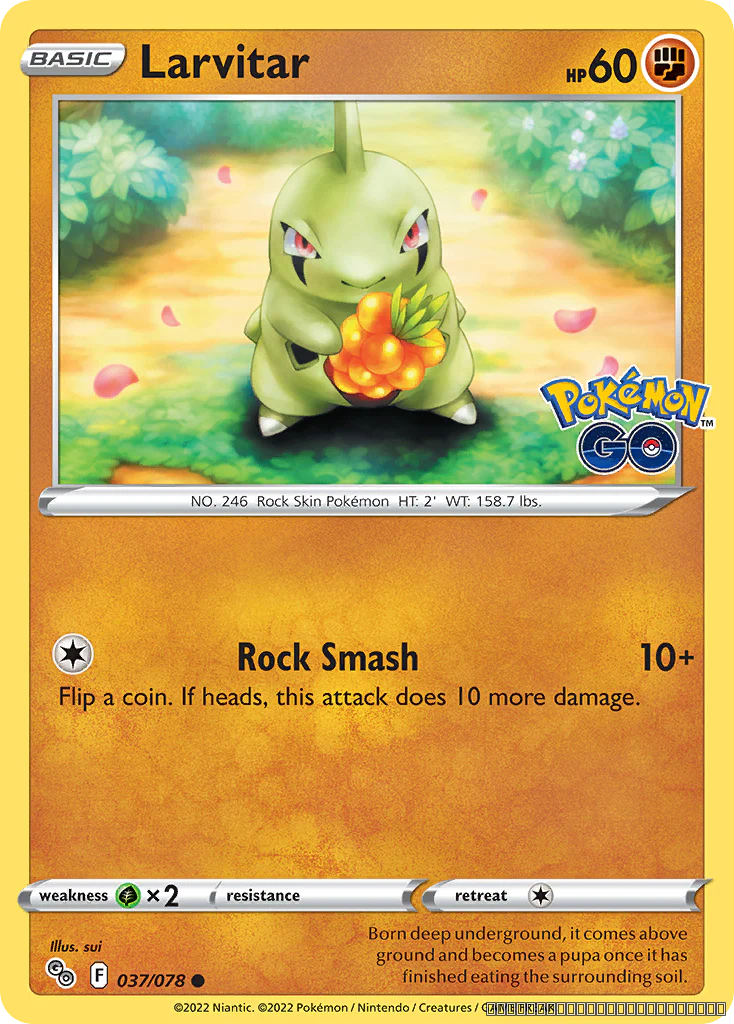
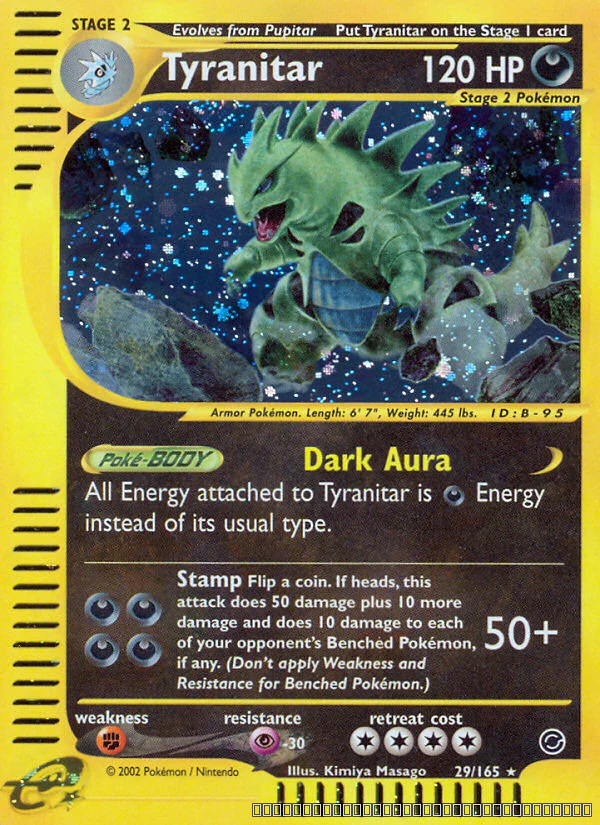
Fresh cards added across the platform — click through to see each one up close.
 1h ago
 3h ago
 1d ago
 2d ago
 3d ago
 4d ago
 5d ago
 6d ago
 8d ago
 9d ago
Pokémon Cards on collecto.rs are catalogued against pokemontcg.io, so the catalog stays consistent with the canonical source while every collector's copy can layer on personal condition, edition, and acquisition data. 438 public cards are catalogued across 7 collectors. Collections stay private by default; you choose what to make public.
The basics on collecting cards and how discovery works here.
collecto.rs is a free, structured catalog for pokémon cards collectors. 438 public cards are tracked across 7 collectors today, each with their own photos, notes, and acquisition history.
The Pokémon Cards catalog is sourced from pokemontcg.io. Catalog metadata stays canonical and consistent across every collector who owns the same card; your own copy keeps its own condition, edition, and acquisition data on top.
Yes. Sign up with Google, Apple, or Facebook — there's no paid tier required to catalog your cards, upload photos, or share collections publicly.
Yes. Every collection on collecto.rs starts private. You can publish individual collections or items selectively, and unpublish at any time. Public collections are what powers the activity feeds on this page.
Each card you add is a distinct item — collectors often own multiple copies (different conditions, editions, or grades). Catalog-level identity is shared across collectors, so duplicates are counted at your collection level, not the catalog level.
Free. Fun. Collection photos, notes, organization, value tracking, friends — all in one place.
Sign up freeNine standout pieces from the Pokémon Cards catalog — the details collectors track, and how many shelves each one sits on. A fresh trio every ten seconds.
 Pokémon Cards
The Charizard-GX from the Hidden Fates set is a notable entry in the modern Pokémon Trading Card Game, prized by collectors for featuring one of the franchise's most iconic creatures. As a Rare Holo GX, it represents a high-tier pull from a set that is widely celebrated for its expansive "Shiny Vault" collection and overall aesthetic appeal.
 Pokémon Cards
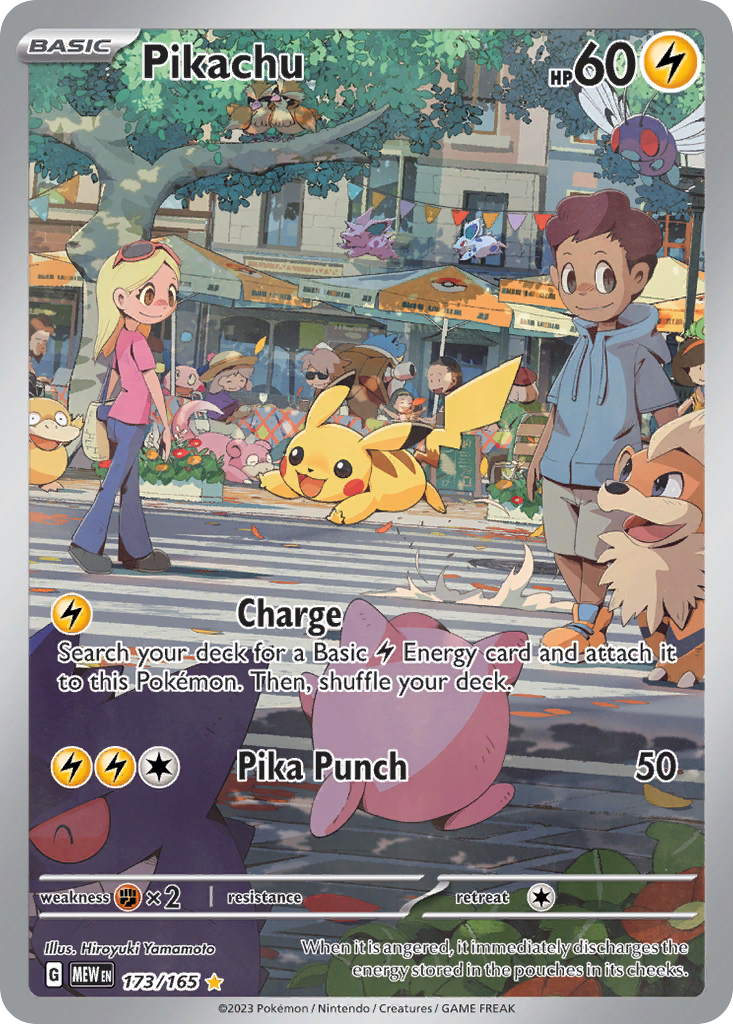
This Pikachu Illustration Rare from the Scarlet & Violet—151 set is prized for its detailed, immersive artwork that captures the Pokémon in a serene, everyday setting. As part of a set dedicated to the original 151 species, this card holds significant nostalgic appeal for long-time fans while standing out as a highly sought-after collectible due to its unique artistic style.
 Pokémon Cards
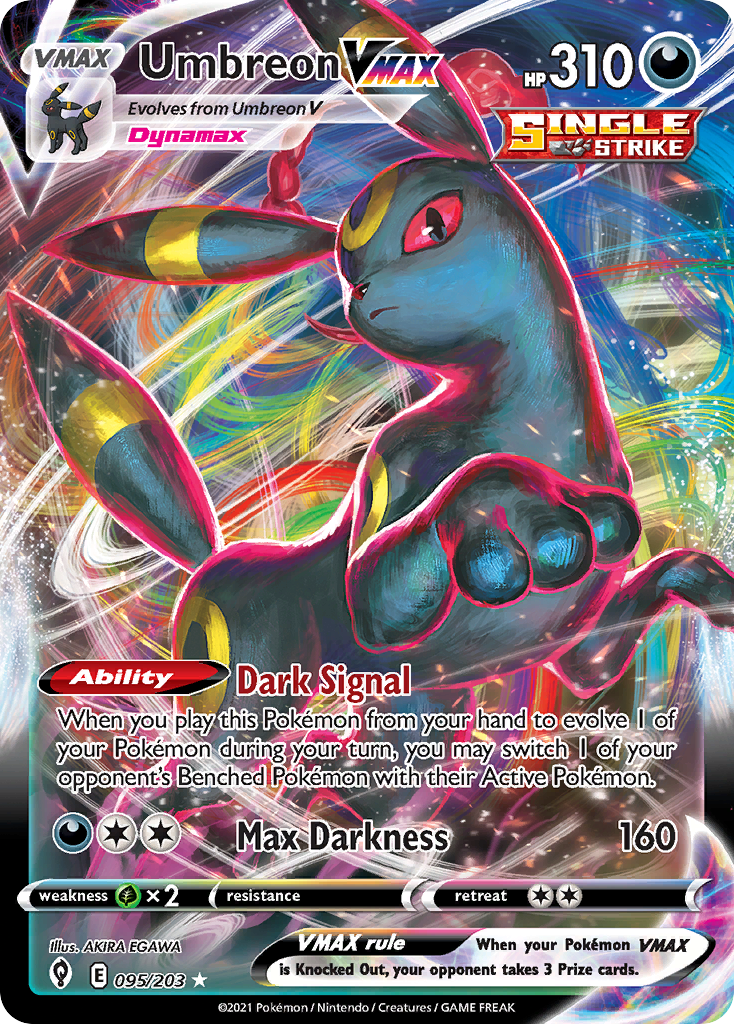
This Umbreon VMAX from the Evolving Skies expansion is highly sought after for its striking darkness-type artwork and its pivotal role in competitive play. As an ultra-rare holographic card, it represents a centerpiece for many modern collectors due to its iconic status among the "Eeveelutions" in the Pokémon trading card game.
Upcoming shows, swaps and club meets for pokémon cards collectors.
Every card with a page here — including the ones nobody has photographed yet.