Tournament Black Luster Soldier
Awarded at the very first Yu-Gi-Oh! tournament in 1999, this card is unique as the only copy printed on stainless steel.
Browse public cards added by real collectors. Search the catalog from the bar above, dig into the lore, and see who's collecting what.
Yu-Gi-Oh! collecting blends the nostalgia of the original manga and anime with the strategic depth of the trading card game. Collectors are drawn to the iconic artwork, the chase for ultra-rare holofoil variants, and the enduring social community that has thrived since the late 1990s. It is a hobby that balances historical significance with the excitement of discovery.
The inception period marked by the release of the OCG in Japan and the subsequent global rollout of the TCG, introducing the core mechanics and legendary base sets.
A time of rapid expansion for the game, featuring the transition into the GX and 5D's generations, which introduced new summon types like Fusion and Synchro.
The era of mechanical complexity and high-speed play, where Xyz, Pendulum, and Link summoning mechanics significantly altered the game's competitive landscape.
The modern phase, characterized by a surge in vintage market interest, the introduction of high-end collector sets, and the legacy appeal of Quarter Century Secret Rares.
The cards collectors whisper about — the legendary finds that define the hobby.
Awarded at the very first Yu-Gi-Oh! tournament in 1999, this card is unique as the only copy printed on stainless steel.
A one-of-a-kind card created by the Make-A-Wish Foundation for a specific fan, making it a legendary piece of hobby history.
Cards like Crush Card Virus and Cyber-Stein were awarded to tournament winners in the mid-2000s, carrying immense prestige due to their extremely limited distribution.
As the face of the franchise, the first edition printing from the Legend of Blue-Eyes White Dragon set remains the definitive grail for most collectors.
Rarity notes come from general collector knowledge — not from collecto.rs collection data.
Yu-Gi-Oh! on collecto.rs are catalogued against YGOProDeck, so the catalog stays consistent with the canonical source while every collector's copy can layer on personal condition, edition, and acquisition data. No public cards are catalogued on collecto.rs yet — be the first to add yours. Collections stay private by default; you choose what to make public.
The basics on collecting cards and how discovery works here.
collecto.rs is a free, structured catalog for yu-gi-oh! collectors. Track each card you own with photos, notes, and acquisition history — and share what you collect when you want to.
The Yu-Gi-Oh! catalog is sourced from YGOProDeck. Catalog metadata stays canonical and consistent across every collector who owns the same card; your own copy keeps its own condition, edition, and acquisition data on top.
Yes. Sign up with Google, Apple, or Facebook — there's no paid tier required to catalog your cards, upload photos, or share collections publicly.
Yes. Every collection on collecto.rs starts private. You can publish individual collections or items selectively, and unpublish at any time. Public collections are what powers the activity feeds on this page.
Each card you add is a distinct item — collectors often own multiple copies (different conditions, editions, or grades). Catalog-level identity is shared across collectors, so duplicates are counted at your collection level, not the catalog level.
Free. Fun. Collection photos, notes, organization, value tracking, friends — all in one place.
Sign up freeNine standout pieces from the Yu-Gi-Oh! catalog — the details collectors track, and how many shelves each one sits on. A fresh trio every ten seconds.
 Yu-Gi-Oh!
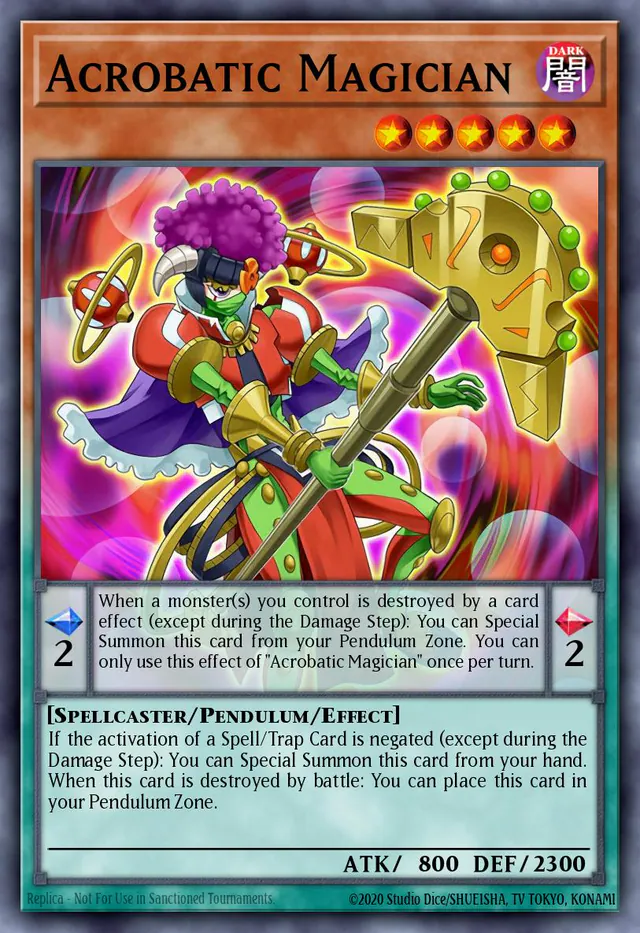
Acrobatic Magician was introduced in The Dark Illusion as a pendulum monster designed to bridge the gap between spell cards and board presence. Collectors value this card for its distinct art style and its role in reinforcing the Magician archetype, which remains a staple of modern competitive and casual play.
 Yu-Gi-Oh!
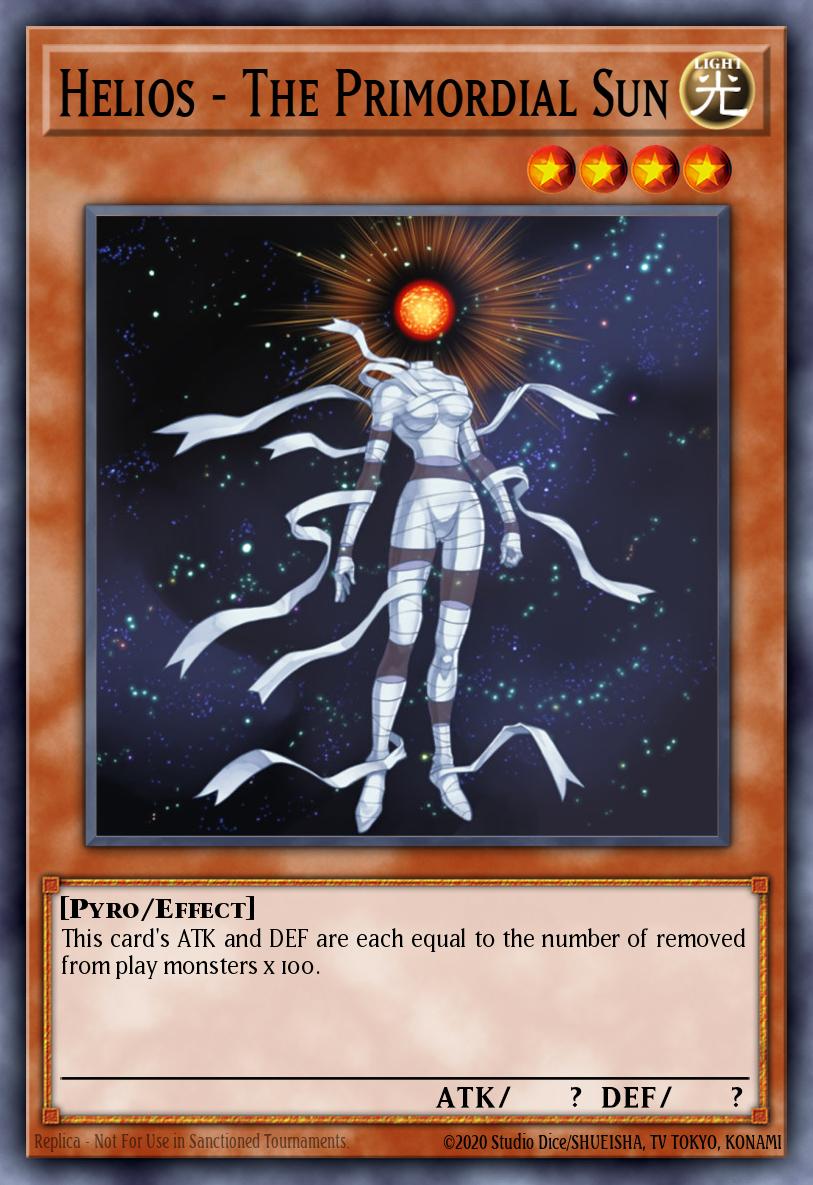
Released as a promotional card for the 2006 Yu-Gi-Oh! World Championship tournament, this version of Helios is a notable piece of memorabilia from a significant era of competitive play. Collectors prize the card for its specific Super Rare finish and its historical association with the World Championship series, which remains a cornerstone of the game's organized play legacy.
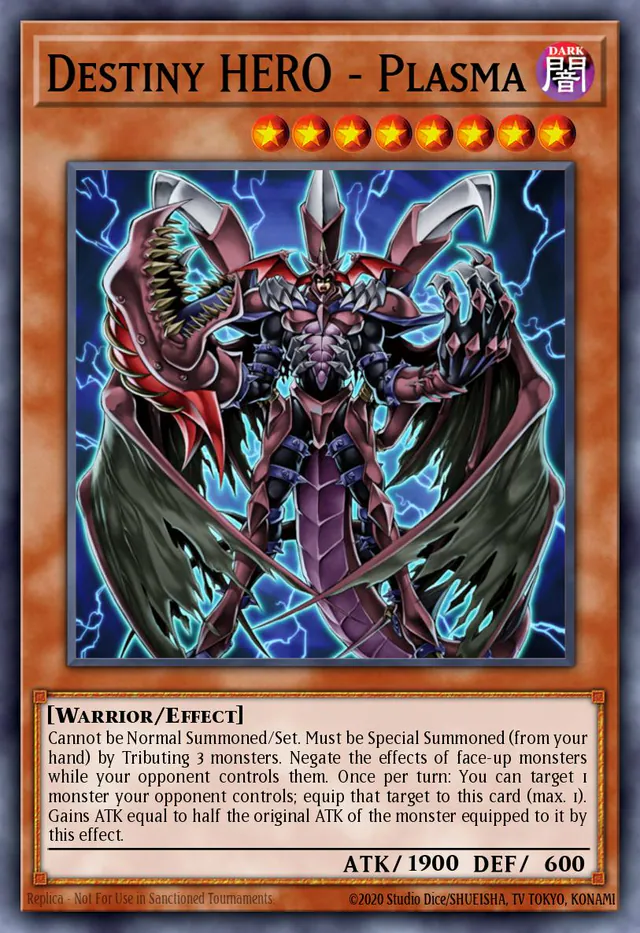 Yu-Gi-Oh!
Destiny HERO - Plasma is a signature card for the character Aster Phoenix, serving as a powerful centerpiece in many Hero-themed strategies due to its ability to negate opponent monster effects and absorb them. While this common version from the Legendary Hero Decks makes the card more accessible to players, it remains a highly recognizable staple of the Yu-Gi-Oh! franchise's long-running Destiny HERO archetype.
Every card with a page here — including the ones nobody has photographed yet.