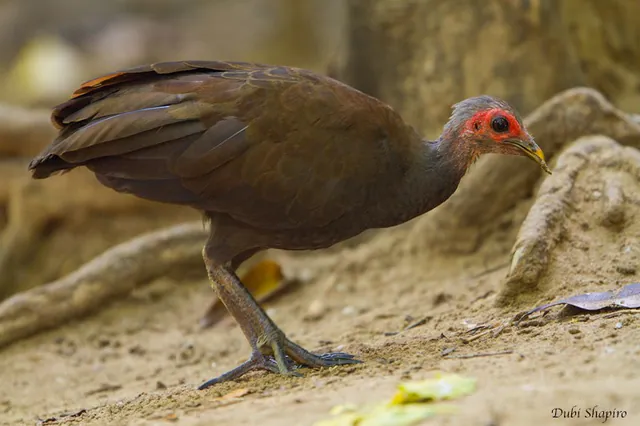
Image via Macaulay Library
Philippine Megapode
- Scientific name
- Megapodius cumingii
- Family
- Megapodiidae
- Conservation status
- Near threatened
- Habitat
- Forest mixed
- Wing shape
- Rounded
- Tail shape
- Short
Where it came from
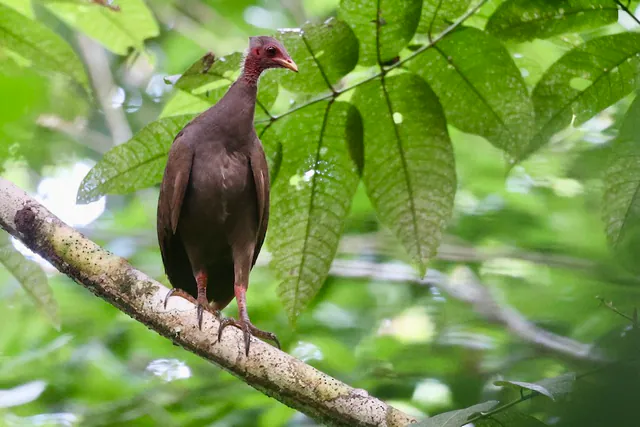
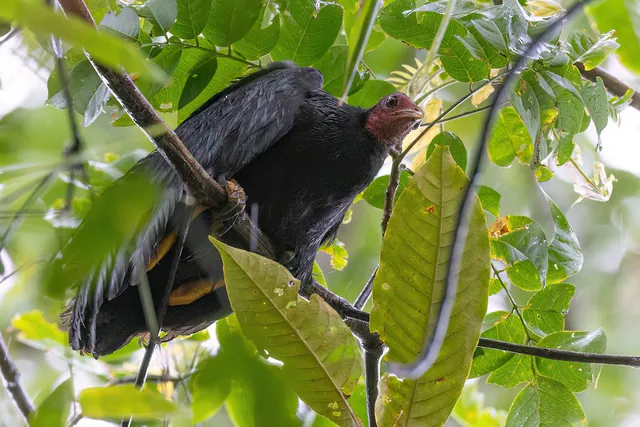
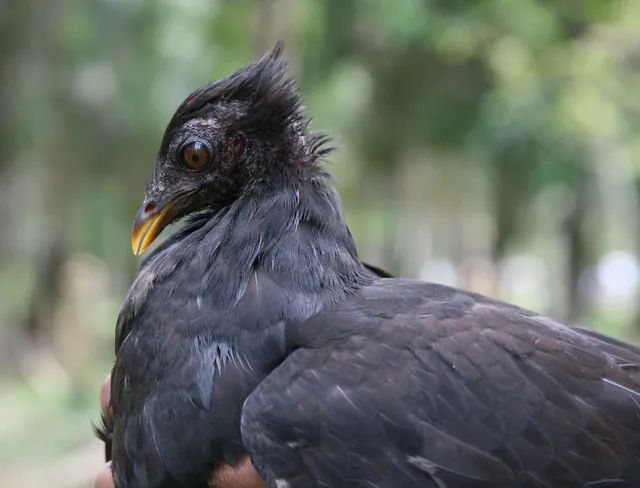
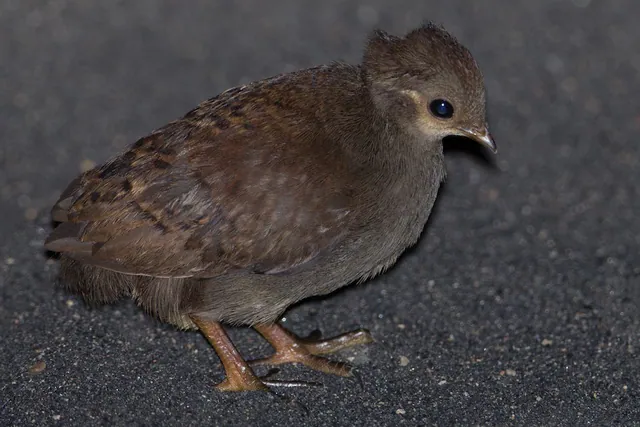
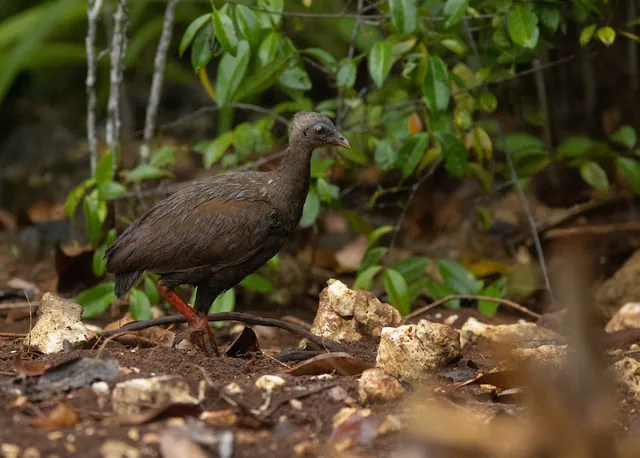
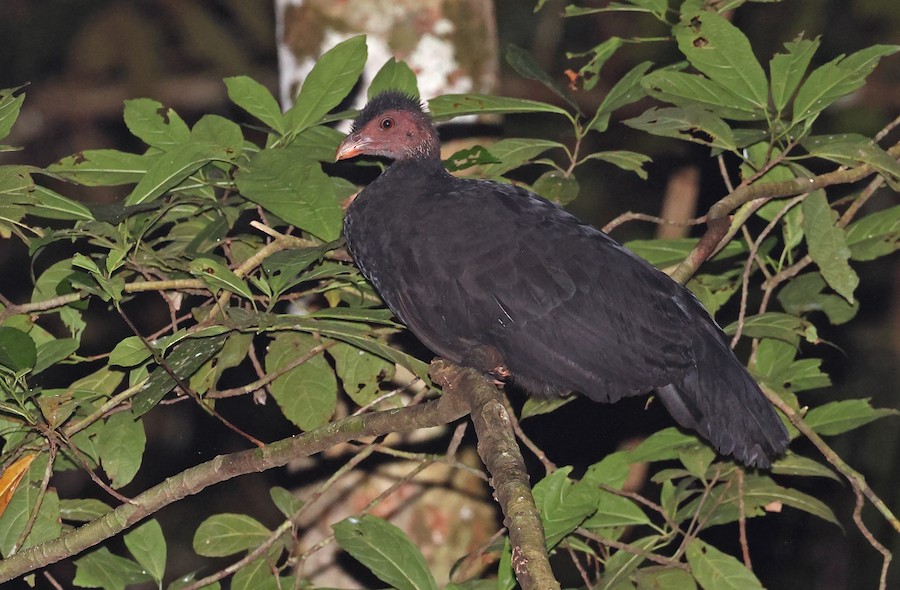
The Philippine Megapode, Megapodius cumingii, is an avian species belonging to the family Megapodiidae, a group defined by their unique habit of incubating eggs using environmental heat rather than body warmth. First formally described in the mid-19th century, the species is named after the British naturalist Hugh Cuming, who spent years collecting biological specimens across the Philippine archipelago. This bird is indigenous to the Philippines and portions of Indonesia and Malaysia, thriving primarily in coastal forests and thickets where it relies on volcanic sands or sun-warmed organic debris to nurture its brood.
Morphologically, the bird is distinguished by its rounded wings and notably short tail, traits that reflect its preference for ground-dwelling and short, low-altitude flights rather than long-distance migration. Its design serves a functional purpose in its dense habitat, allowing for agile movement through thick undergrowth. Ornithologists and conservationists have long studied the Megapodius genus for its fascinating behavioral adaptations, noting that while the species is widespread, it remains susceptible to habitat loss and human encroachment on its traditional nesting grounds.
Written by Pi, the helpful collecto.rs AI
Who's collecting this
Real birds collectors on collecto.rs who have this in their public collection.
About Philippine Megapode
Philippine Megapode is a bird in the Birdwatching catalog on collecto.rs. Catalog data is sourced from eBird. No public birds collectors track this one yet — adding yours would make you the first on collecto.rs.
How many collectors track Philippine Megapode on collecto.rs?
Philippine Megapode doesn't have any public collectors on collecto.rs yet. Sign up to add it and become the first.
Can I track my own copy of Philippine Megapode?
Yes. collecto.rs is free — sign up to log your bird, upload photos, record condition, edition, and acquisition cost, and connect with other birdwatching collectors. Your collection stays private by default.
Where does the Philippine Megapode catalog entry come from?
The catalog entry for Philippine Megapode is sourced from eBird. Catalog-level facts stay consistent across every collector; your own data (condition, edition, acquisition notes) is yours.
Is collecto.rs birds tracking free?
Yes. Tracking your birds is free — no paid tier required to catalog items, upload photos, or share your collection.
Track every bird you own
Free. Fun. Collection photos, notes, organization, value tracking, friends — all in one place.
Sign up free