Medium
1 of 1 (100%)
Care consensus, photos, and the collectors growing it.
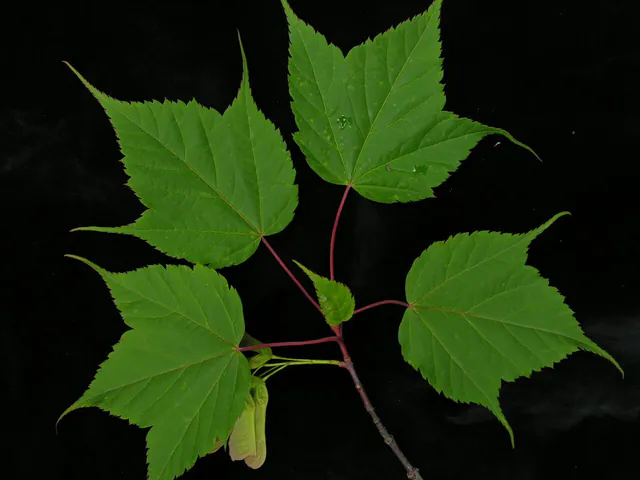
Acer saccharum, often known as Acer saccharum subsp. nigrum, is an upright tree native to the forests of eastern North America. You will recognize it by its distinct stature as it grows toward the canopy.
Living with this tree means providing a space for its long-term growth in full sun. It prefers moderate humidity and consistent moisture, making it a reliable choice for your landscape.
Written by Pi, the helpful collecto.rs AI
The sap and foliage are generally considered safe and do not contain documented toxins.
Written by Pi, the helpful collecto.rs AI. Not veterinary or medical advice — check with a professional before letting a pet or a child near an unfamiliar plant.
How our relationship with this plant has changed over time.
People living in eastern North America historically tapped this tree for its sap. The liquid was collected and reduced into syrup.
European settlers documented the tree while exploring the eastern woodlands. They observed how the local populations gathered sap during the early spring thaw.
You now find these trees propagated primarily through seed. They are kept for their shade and their role in the hardwood forests of the region.
Written by Pi, the helpful collecto.rs AI
Aggregated from 1 public item across collecto.rs.
Medium
1 of 1 (100%)
Full sun
1 of 1 (100%)
Cool
1 of 1 (100%)
Moderate
1 of 1 (100%)
Named varieties collectors have logged. Tap a cultivar to see its dedicated page.
Click a collector to see their full collection. Sorted by how many of this plant they own.
The latest public additions across the platform.
Species and cultivars from the same genus, straight out of the reference catalogue.
Quick answers pulled from the public catalog and care consensus above.
Acer saccharum is a species in the Acer genus. Commonly known as Acer saccharum subsp. floridanum, a tree, and with a upright growth habit. Native to Eastern North American forests.
Across public collections on collecto.rs, the most common care setup for Acer saccharum is Full sun light, medium watering, cool temperatures, and moderate humidity.
Acer saccharum is rare on collecto.rs — fewer than five public collectors currently track it. Add yours to be one of the first.
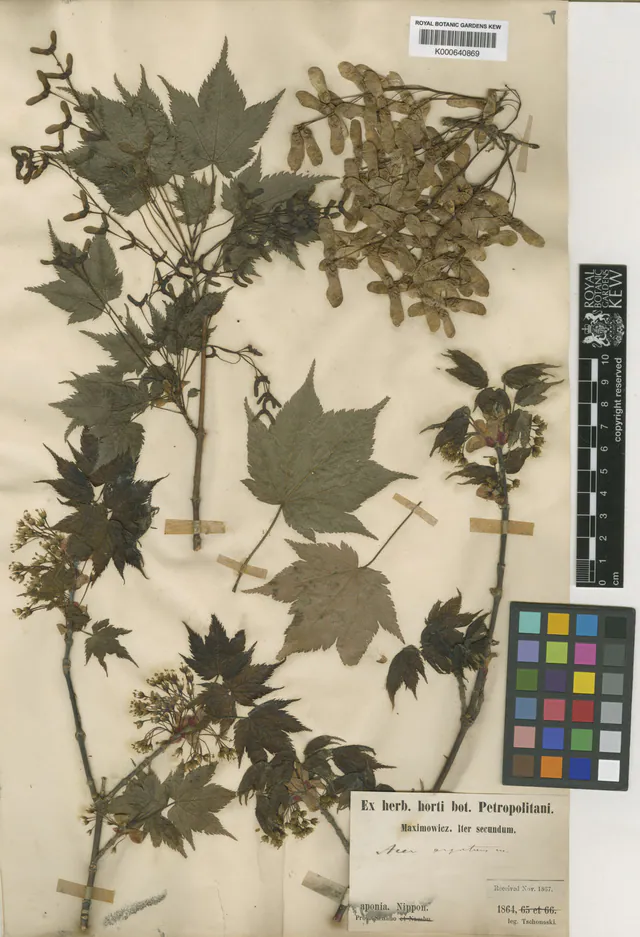
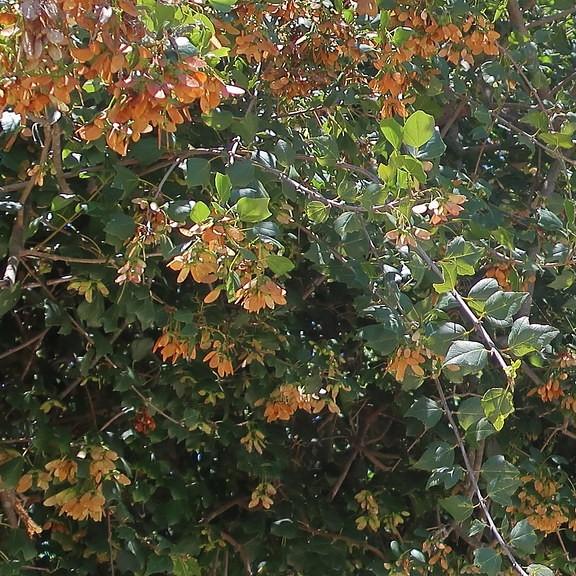
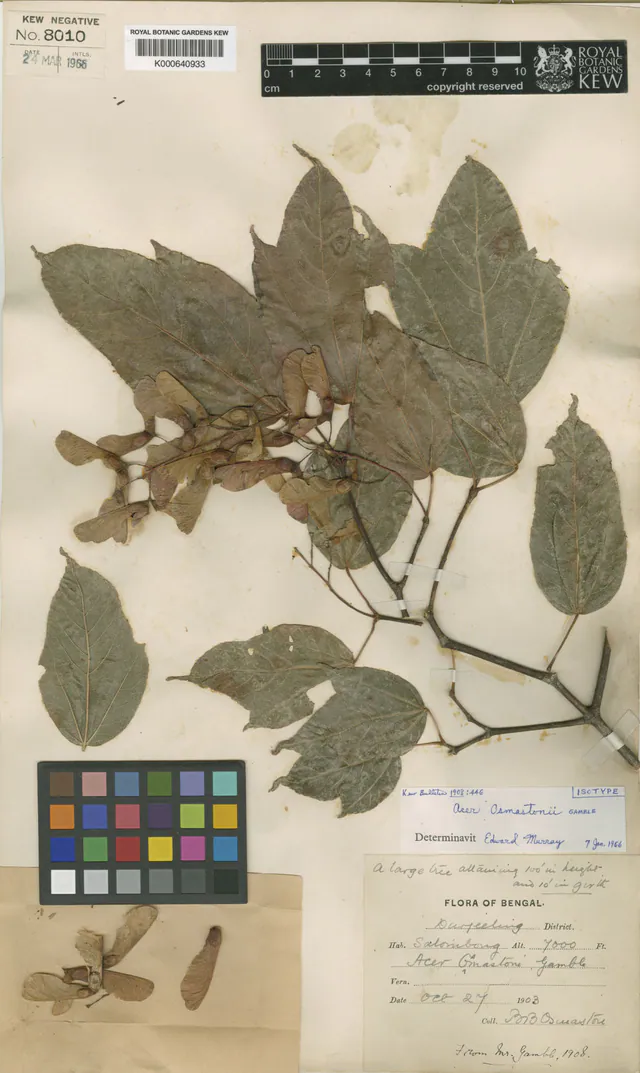
Browse public Acer saccharum collections on collecto.rs to see photos uploaded by the people growing it. Each item links to the collector's profile, with notes, acquisition date, and growth photos.
Yes. collecto.rs is free — sign up to log your Acer saccharum, upload photos, track care notes, and connect with other Acer saccharum collectors. Your collection stays private by default; you choose what to make public.