Agave albescens
Care consensus, photos, and the collectors growing it.
- Common name
- Agave albescens
- Plant type
- Succulent
- Growth habit
- Upright
- Light
- Full sun
- Watering
- Low
- Temperature
- Warm
- Humidity
- Low
- Propagation
- Offset
- Native range
- Desert regions of Mexico
- Toxic to pets
- Toxic
- Toxic to people
- Toxic
- public plants
- 0 public plants
- collectors
- 0 collectors
What Agave albescens is
Agave albescens is an upright succulent from the deserts of Mexico. It holds its form in a tight, structured shape that reaches toward the light. You will notice its pale, sturdy leaves that suggest a slow, deliberate pace of growth.
Living with this plant means providing it with a bright spot. It prefers a dry environment and asks for very little water. You can expect it to produce offsets at its base, giving you new plants to grow in time.
Written by Pi, the helpful collecto.rs AI
The sap contains calcium oxalate crystals which cause irritation to the skin and mucous membranes.
Written by Pi, the helpful collecto.rs AI. Not veterinary or medical advice — check with a professional before letting a pet or a child near an unfamiliar plant.
People and Agave albescens
How our relationship with this plant has changed over time.
- Pre-colonial
Desert origins
For centuries, this plant grew within the arid landscapes of Mexico. Local populations interacted with native agaves for fibers and sustenance.
- 19th century
European discovery
Botanists began documenting diverse agave species as global trade expanded. Specimens were brought into colonial greenhouse collections to study their drought-hardy architecture.
- 20th century
Horticultural interest
Agave albescens entered the trade as a choice for collectors of architectural plants. It found a place in desert gardens and containers where heat is plentiful.
- Present day
Modern cultivation
You likely keep this plant for its bold structure and ease of care. It is now a steady presence for those who appreciate plants that thrive on neglect.
Written by Pi, the helpful collecto.rs AI
Be the first to track Agave albescens
No public collectors yet on collecto.rs grow Agave albescens. Yours could be the first.
Add Agave albescens to your collection and you'll be the first public collector growing it on collecto.rs.
Start a collectionOther Agave
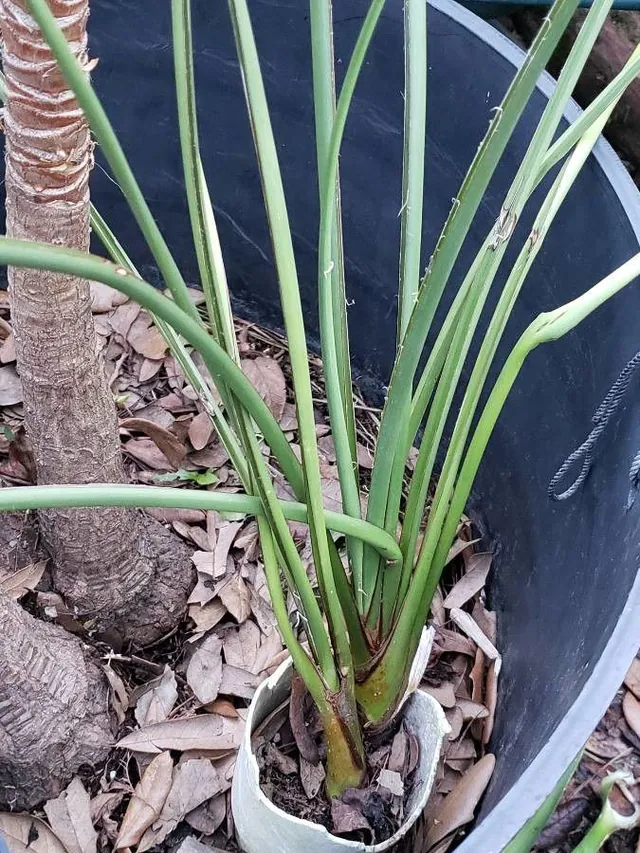
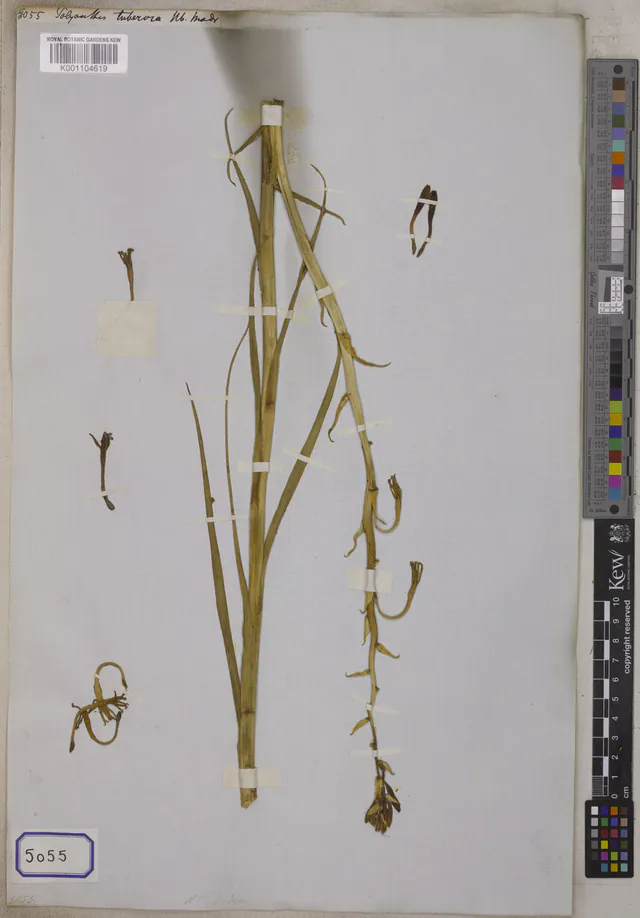
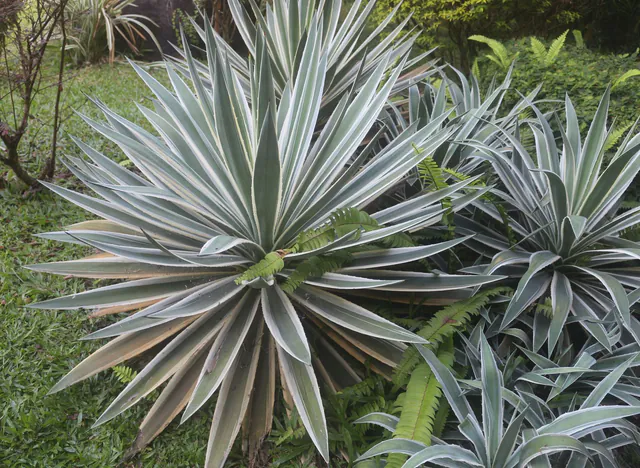
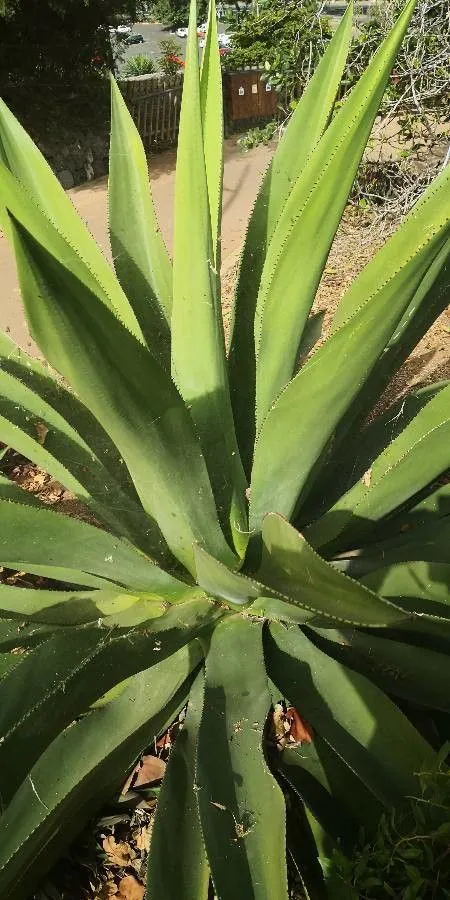
Species and cultivars from the same genus, straight out of the reference catalogue.
Frequently asked about Agave albescens
Quick answers pulled from the public catalog and care consensus above.
What is Agave albescens?
Agave albescens is a species in the Agave genus. Commonly known as Agave albescens, a succulent, and with a upright growth habit. Native to Desert regions of Mexico.
How do you care for Agave albescens?
Reference care guidance for Agave albescens: full sun light, low watering, warm temperatures, and low humidity. Collectors on collecto.rs will refine this as more public specimens are added.
How rare is Agave albescens?
No public collectors on collecto.rs track Agave albescens yet — adding yours would make you the first.
Where can I see real photos of Agave albescens?
Photos from real collectors will appear here once members start tracking Agave albescens on collecto.rs. Sign up to add the first set.
Can I track my own Agave albescens on collecto.rs?
Yes. collecto.rs is free — sign up to log your Agave albescens, upload photos, track care notes, and connect with other Agave albescens collectors. Your collection stays private by default; you choose what to make public.