Grow light
1 of 1 (100%)
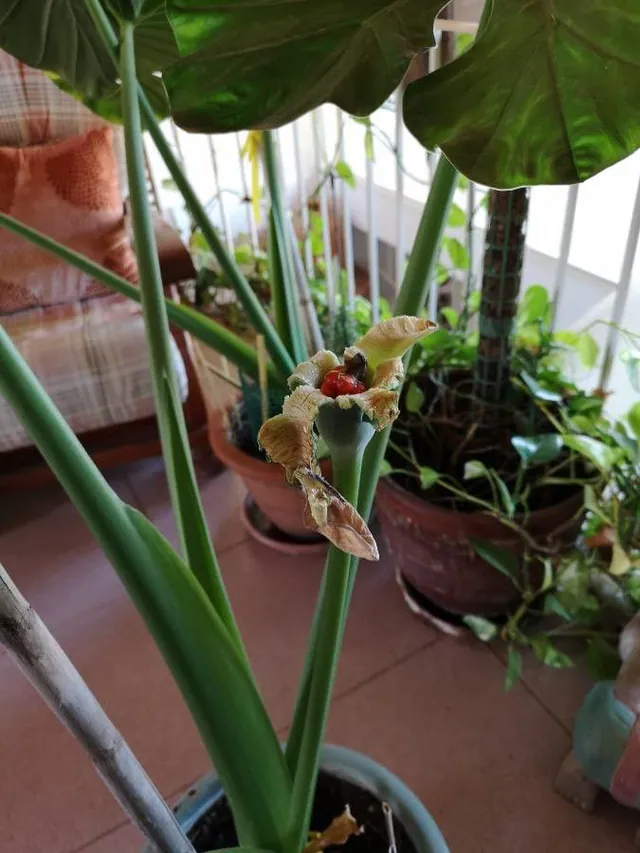
Care consensus, photos, and the collectors growing it.
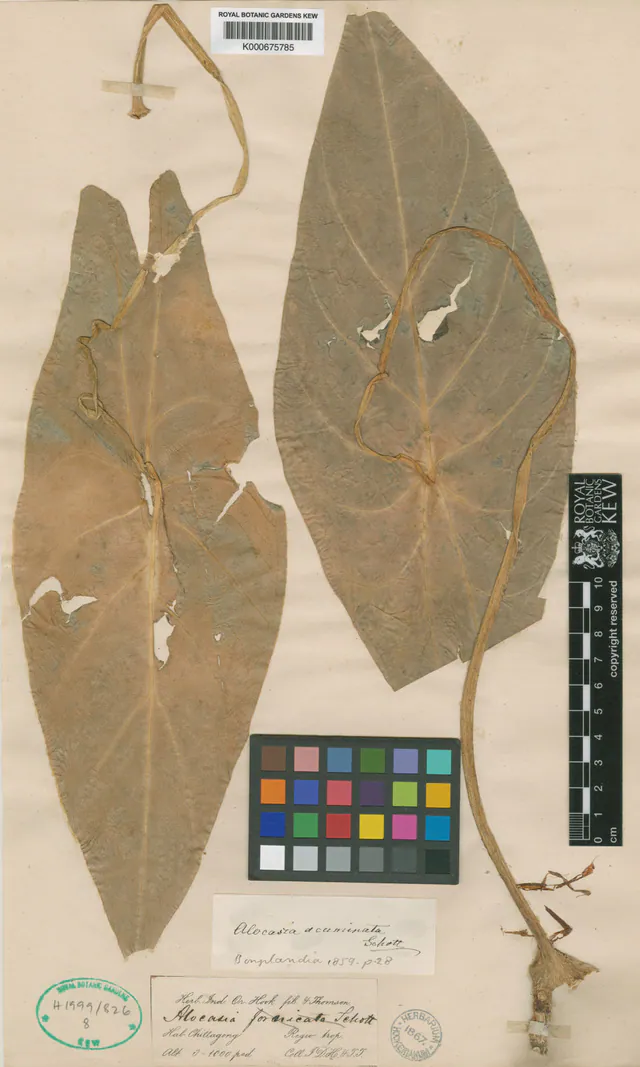
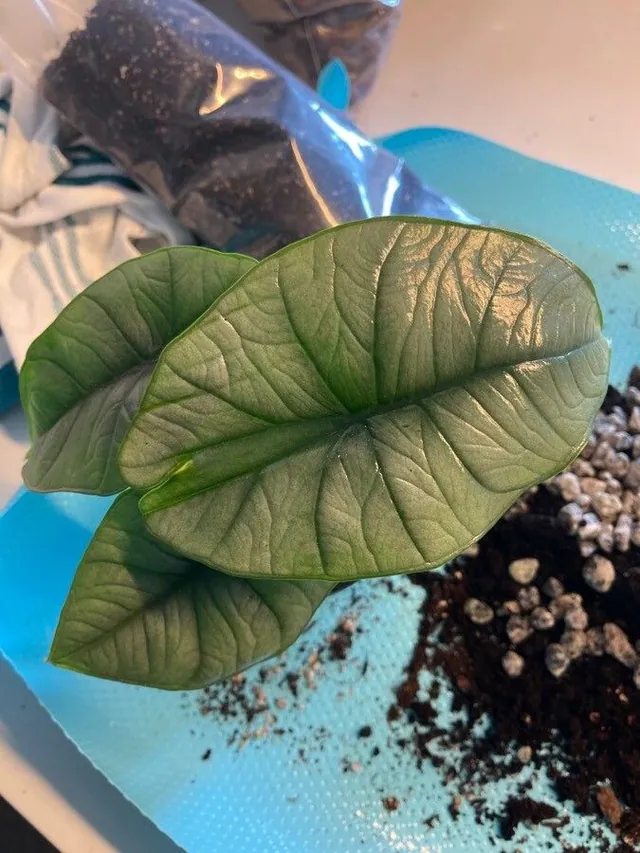
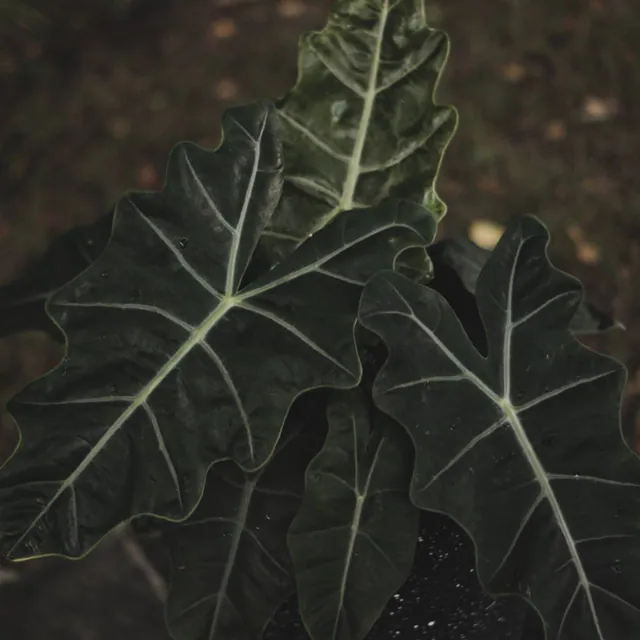
Alocasia odora is a robust herbaceous perennial that brings the scale of a tropical rainforest floor into your home. You will recognise it by its large, upright leaves that resemble giant, rounded arrowheads.
Living with this plant means managing a constant thirst. It thrives when you mimic the moisture and heat of its original canopy environment, making it a constant presence in your daily care routine.
Written by Pi, the helpful collecto.rs AI
The plant contains insoluble calcium oxalate crystals that cause irritation upon contact or ingestion.
Written by Pi, the helpful collecto.rs AI. Not veterinary or medical advice — check with a professional before letting a pet or a child near an unfamiliar plant.
How our relationship with this plant has changed over time.
People living within its native range identified the plant as a source of sustenance. It became a staple food crop across various tropical regions.
Cultivation efforts moved the plant into managed plots. Local communities refined methods for processing the tubers to remove irritants.
The plant transitioned from an outdoor food source to an ornamental choice for indoor spaces. You likely know it today for its sculptural foliage rather than its nutritional utility.
Written by Pi, the helpful collecto.rs AI
Aggregated from 1 public item across collecto.rs.
Grow light
1 of 1 (100%)
High
1 of 1 (100%)
Click a collector to see their full collection. Sorted by how many of this plant they own.
The latest public additions across the platform.
Species and cultivars from the same genus, straight out of the reference catalogue.
Quick answers pulled from the public catalog and care consensus above.
Alocasia Odora is a species in the Alocasia genus. Commonly known as Asian taro, a edible perennial, and with a herbaceous growth habit. Native to Tropical rainforests.
Across public collections on collecto.rs, the most common care setup for Alocasia Odora is Grow light light and high humidity.
Alocasia Odora is rare on collecto.rs — fewer than five public collectors currently track it. Add yours to be one of the first.
Browse public Alocasia Odora collections on collecto.rs to see photos uploaded by the people growing it. Each item links to the collector's profile, with notes, acquisition date, and growth photos.
Yes. collecto.rs is free — sign up to log your Alocasia Odora, upload photos, track care notes, and connect with other Alocasia Odora collectors. Your collection stays private by default; you choose what to make public.