Medium
1 of 1 (100%)
Care consensus, photos, and the collectors growing it.
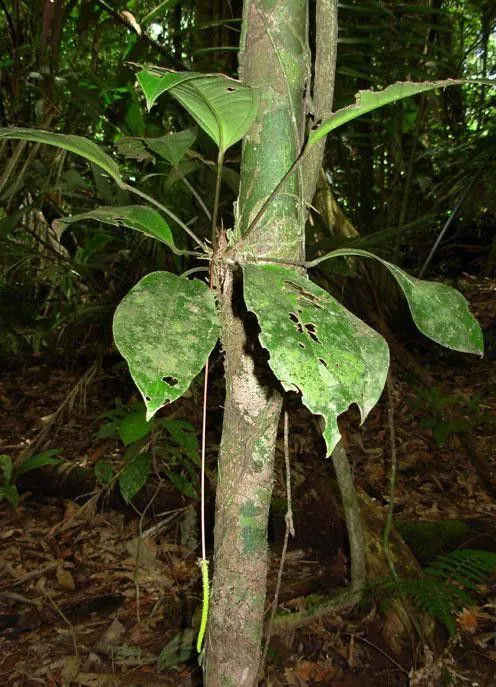
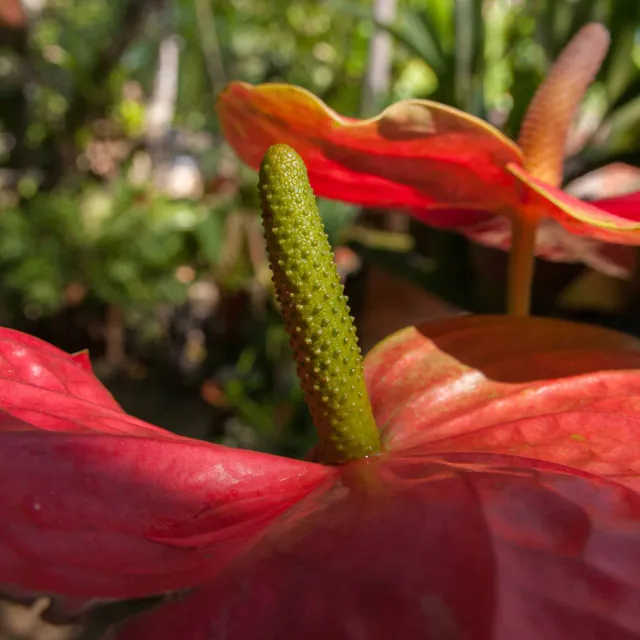
Anthurium crassinervium is an upright houseplant. It belongs to the Araceae family and grows as an epiphyte in its natural habitat. Its structure is defined by long, leathery leaves that grow in a rosette pattern.
Living with this plant means recreating its tropical origins. You will find that it thrives when given a warm environment with high humidity. It makes a sturdy addition to a collection if you can provide consistent, indirect light and medium water.
Written by Pi, the helpful collecto.rs AI
The plant contains insoluble calcium oxalate crystals which cause irritation upon ingestion.
Written by Pi, the helpful collecto.rs AI. Not veterinary or medical advice — check with a professional before letting a pet or a child near an unfamiliar plant.
How our relationship with this plant has changed over time.
The plant originates in tropical rainforests. It grows primarily as an epiphyte, anchoring itself to trees to reach filtered light.
Collectors and botanists began to document tropical flora during this era. Anthurium crassinervium was identified and classified for global botanical records.
The plant transitioned into the houseplant trade. Growers began to propagate it via cuttings to sustain interest in unique tropical species.
You likely grow this plant for its architectural shape. It is now maintained in indoor spaces that mimic the humidity of a forest understory.
Written by Pi, the helpful collecto.rs AI
Aggregated from 1 public item across collecto.rs.
Medium
1 of 1 (100%)
Bright indirect
1 of 1 (100%)
Warm
1 of 1 (100%)
High
1 of 1 (100%)
Click a collector to see their full collection. Sorted by how many of this plant they own.
The latest public additions across the platform.
Species and cultivars from the same genus, straight out of the reference catalogue.
Quick answers pulled from the public catalog and care consensus above.
Anthurium crassinervium is a species in the Anthurium genus. Commonly known as Anthurium crassinervium var. crassinervium, a houseplant, and with a upright growth habit. Native to Tropical rainforests.
Across public collections on collecto.rs, the most common care setup for Anthurium crassinervium is Bright indirect light, medium watering, warm temperatures, and high humidity.
Anthurium crassinervium is rare on collecto.rs — fewer than five public collectors currently track it. Add yours to be one of the first.
Anthurium crassinervium is also known as Anthurium crassinervium, Podospadix reticulata, Anthurium crassinervium var. crassinervium, Anthurium fontanesii, and Anthurium ellipticum.
Browse public Anthurium crassinervium collections on collecto.rs to see photos uploaded by the people growing it. Each item links to the collector's profile, with notes, acquisition date, and growth photos.
Yes. collecto.rs is free — sign up to log your Anthurium crassinervium, upload photos, track care notes, and connect with other Anthurium crassinervium collectors. Your collection stays private by default; you choose what to make public.