Artemisia absinthum
Care consensus, photos, and the collectors growing it.
- Common name
- Artemisia absinthum
- Plant type
- Herb
- Growth habit
- Upright
- Light
- Full sun
- Watering
- Low
- Temperature
- Warm
- Humidity
- Low
- Propagation
- Seed grown
- Native range
- Mediterranean regions
- Toxic to pets
- Toxic
- Toxic to people
- Toxic
- public plants
- 0 public plants
- collectors
- 0 collectors
What Artemisia absinthum is
Artemisia absinthum is an upright herb that traces its roots to the Mediterranean. It carries a distinct, silvery-grey foliage that stands out in any collection.
Living with this plant is straightforward if you provide plenty of direct light. It prefers dry, warm conditions and rewards you with a sturdy, architectural form.
Written by Pi, the helpful collecto.rs AI
The plant contains thujone, which can be harmful if ingested in significant quantities.
Written by Pi, the helpful collecto.rs AI. Not veterinary or medical advice — check with a professional before letting a pet or a child near an unfamiliar plant.
People and Artemisia absinthum
How our relationship with this plant has changed over time.
- Antiquity
Early herbal use
People in the Mediterranean used the bitter properties of the plant in traditional preparations. It was often sought for its strong, aromatic qualities.
- Middle Ages
Garden staple
The herb spread through European monastic gardens. It became a recognized part of the apothecary tradition.
- 19th Century
Culinary and social reach
The plant became famously associated with specific distilled spirits. This period solidified its place in cultural and botanical history.
- Modern day
Ornamental interest
You likely grow it today for its textured leaves and resilience. It serves as a reliable structural element in sunny garden beds.
Written by Pi, the helpful collecto.rs AI
Be the first to track Artemisia absinthum
No public collectors yet on collecto.rs grow Artemisia absinthum. Yours could be the first.
Add Artemisia absinthum to your collection and you'll be the first public collector growing it on collecto.rs.
Start a collectionOther Artemisia
Species and cultivars from the same genus, straight out of the reference catalogue.
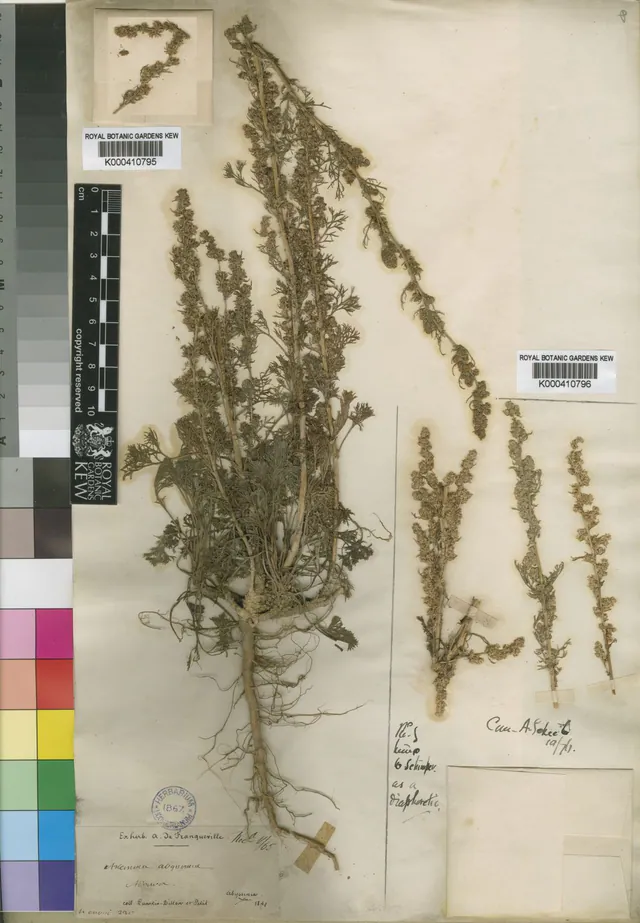
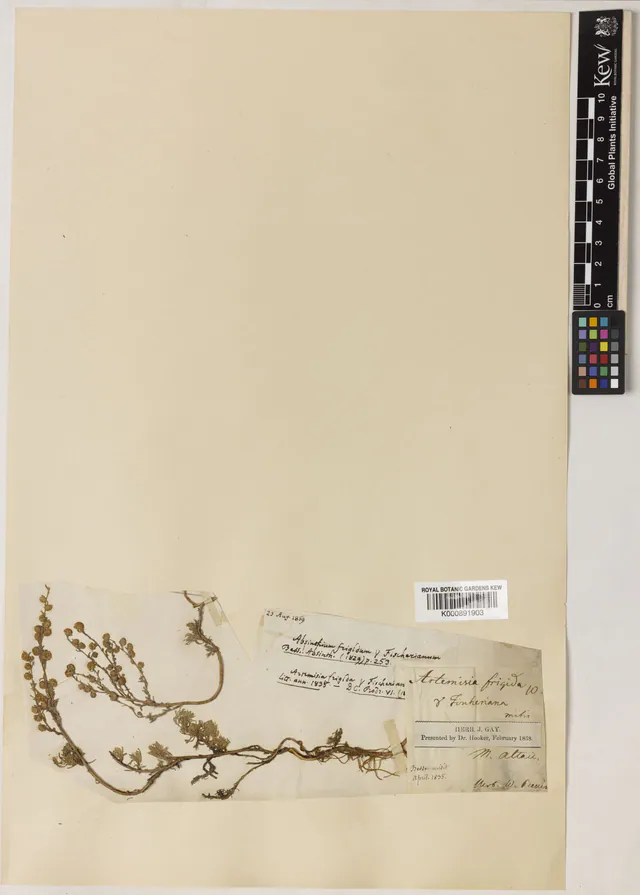
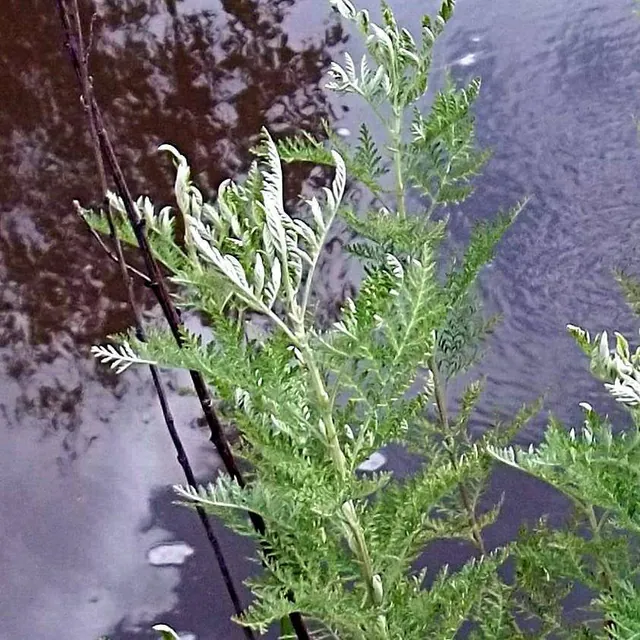
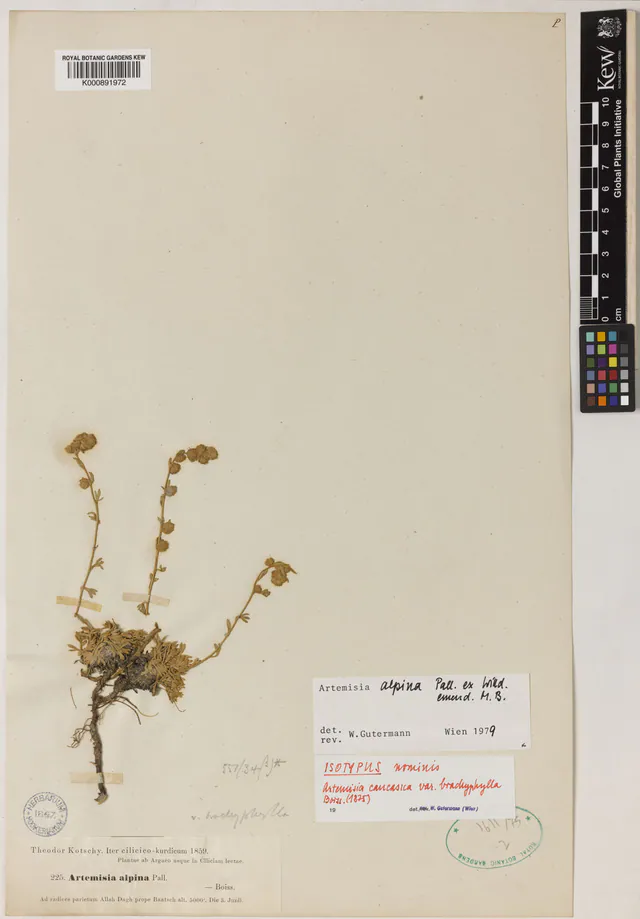
Frequently asked about Artemisia absinthum
Quick answers pulled from the public catalog and care consensus above.
What is Artemisia absinthum?
Artemisia absinthum is a species in the Artemisia genus. Commonly known as Artemisia absinthum, a herb, and with a upright growth habit. Native to Mediterranean regions.
How do you care for Artemisia absinthum?
Reference care guidance for Artemisia absinthum: full sun light, low watering, warm temperatures, and low humidity. Collectors on collecto.rs will refine this as more public specimens are added.
How rare is Artemisia absinthum?
No public collectors on collecto.rs track Artemisia absinthum yet — adding yours would make you the first.
Where can I see real photos of Artemisia absinthum?
Photos from real collectors will appear here once members start tracking Artemisia absinthum on collecto.rs. Sign up to add the first set.
Can I track my own Artemisia absinthum on collecto.rs?
Yes. collecto.rs is free — sign up to log your Artemisia absinthum, upload photos, track care notes, and connect with other Artemisia absinthum collectors. Your collection stays private by default; you choose what to make public.