High
4 of 6 (67%)
Care consensus, photos, and the collectors growing it.
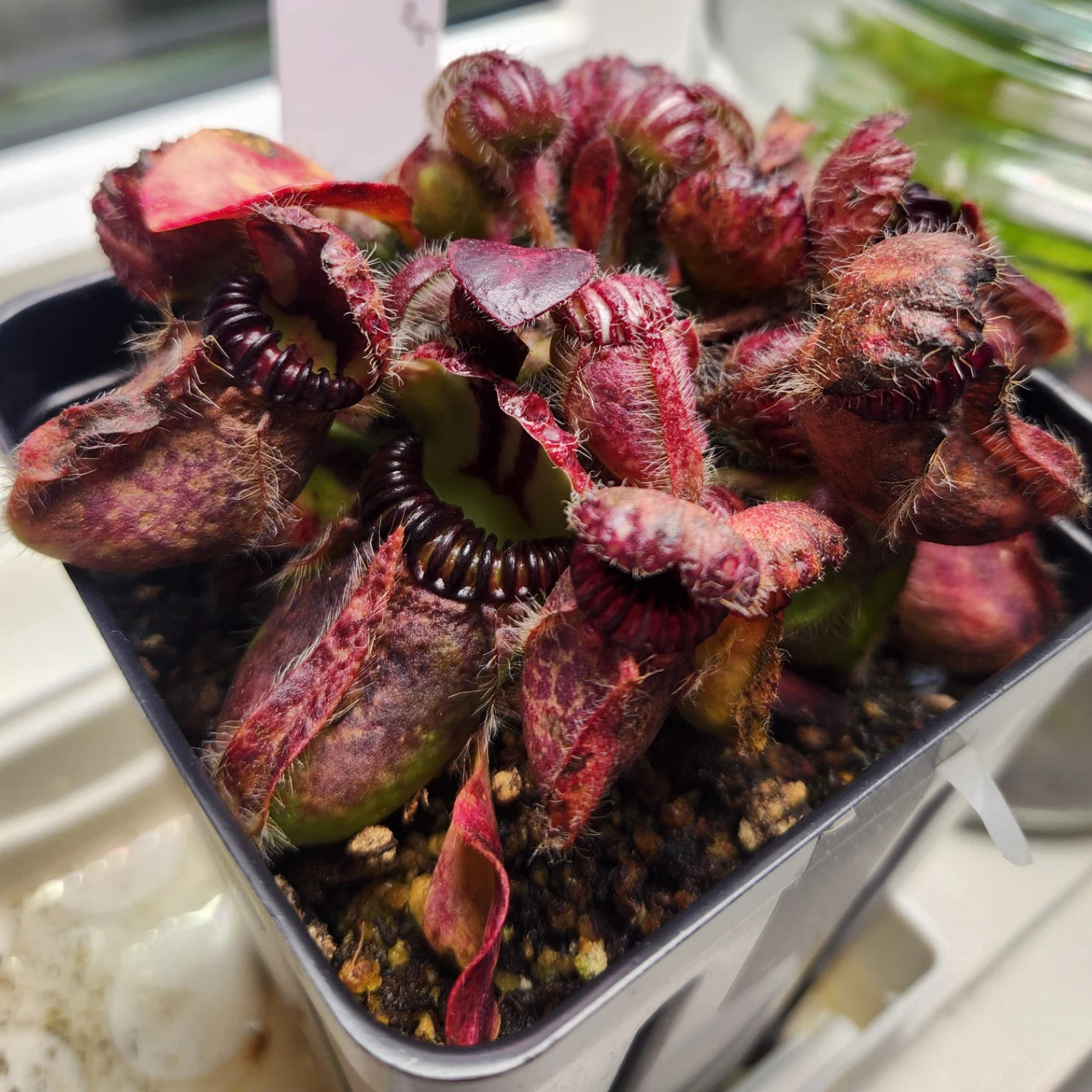
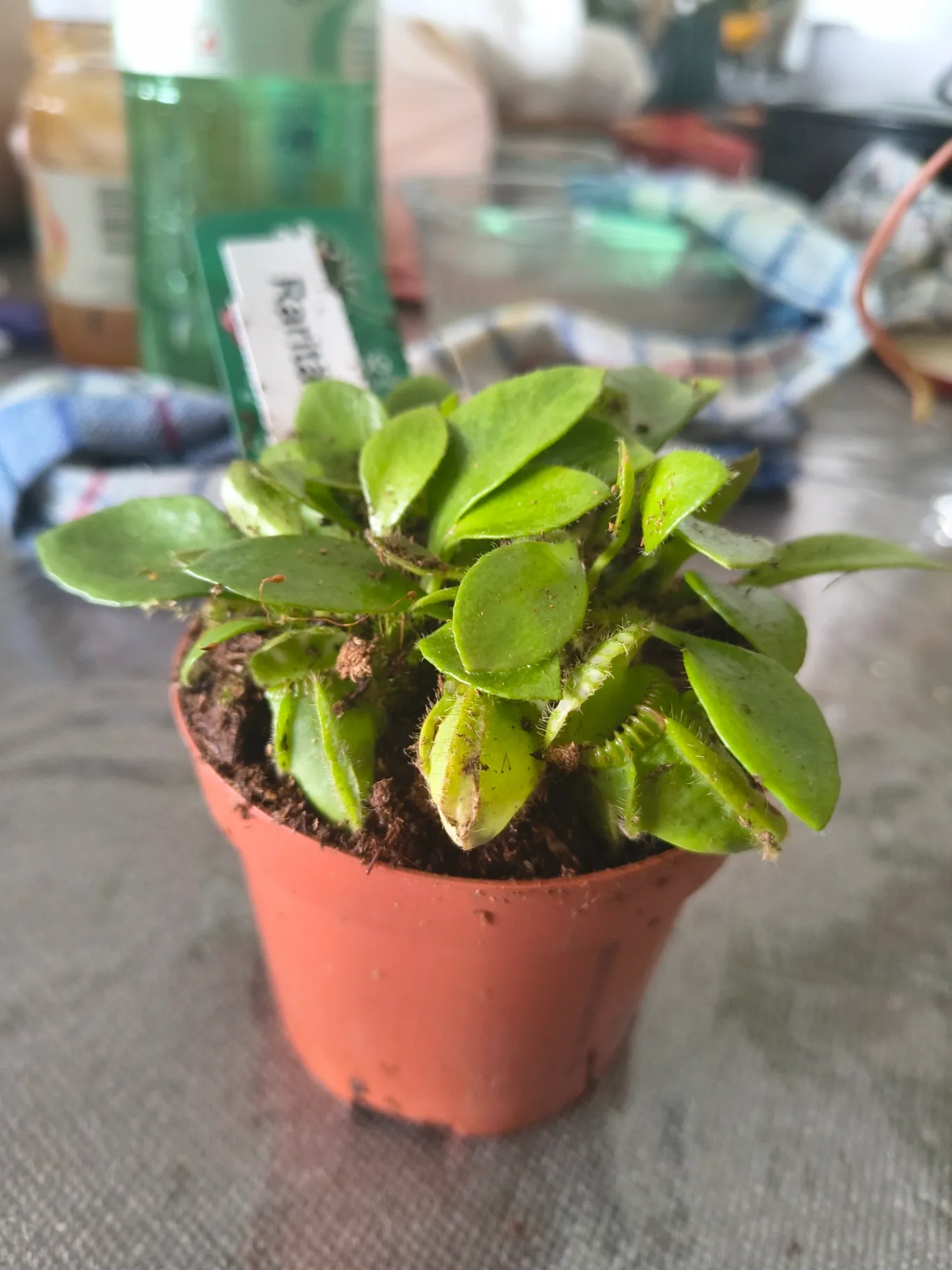
Cephalotus follicularis, the Albany-pitcherplant, is a small carnivorous plant from Southwestern Australia. It grows in a tight rosette of leaves near the ground.
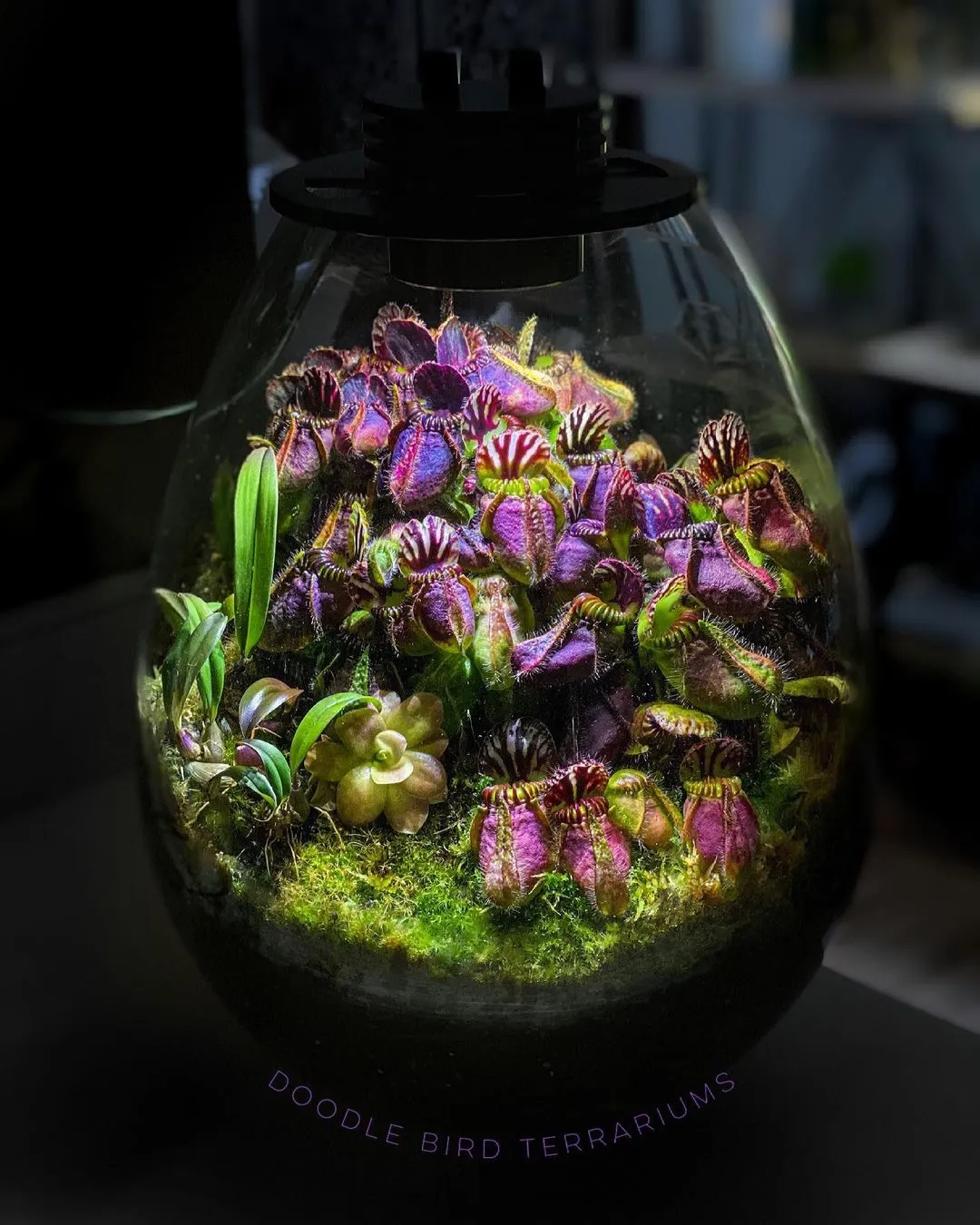
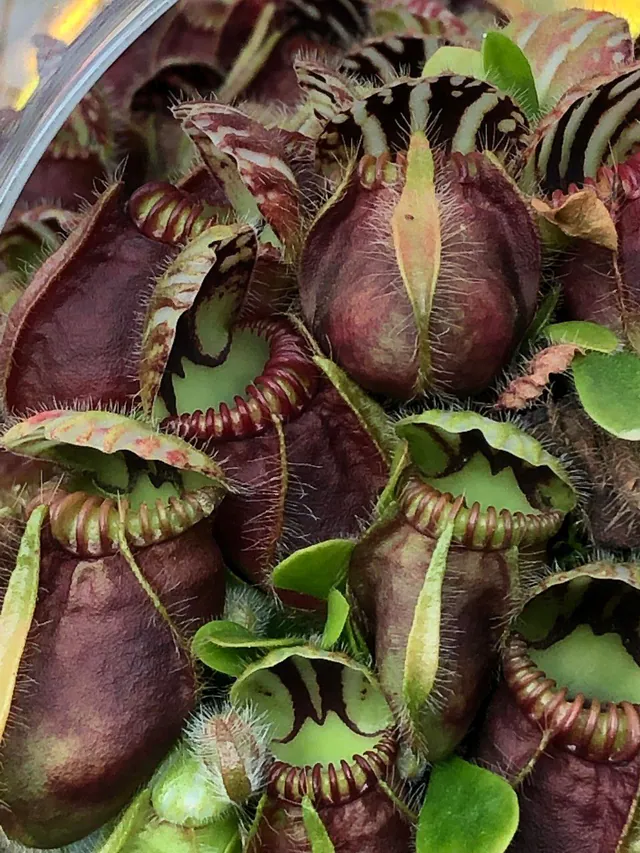
The plant is known for its stiff, slipper-shaped pitchers. Keeping one means balancing high humidity with constant moisture, which makes it a focused project for your collection.
Written by Pi, the helpful collecto.rs AI
Written by Pi, the helpful collecto.rs AI. Not veterinary or medical advice — check with a professional before letting a pet or a child near an unfamiliar plant.
How our relationship with this plant has changed over time.
European botanists first described the plant during exploration of the Australian coast. It was quickly recognized as distinct from other pitcher-forming species.
The plant moved from field observation into specialized botanical collections. Growers began to understand the specific soil and moisture requirements needed to sustain it outside of its native bogs.
You likely find these in focused carnivorous plant collections. Interest remains steady due to the slow growth and unique structure of the pitchers.
Written by Pi, the helpful collecto.rs AI
Aggregated from 6 public items across collecto.rs.
High
4 of 6 (67%)
Bright indirect
3 of 6 (50%)
Warm
4 of 6 (67%)
High
4 of 6 (67%)
Named varieties collectors have logged. Tap a cultivar to see its dedicated page.
Click a collector to see their full collection. Sorted by how many of this plant they own.
The latest public additions across the platform.
Quick answers pulled from the public catalog and care consensus above.
Cephalotus follicularis is a species in the Cephalotus genus. Commonly known as Albany-pitcherplant, a carnivorous plant, and with a rosette forming growth habit. Native to Southwestern Australia.
Across public collections on collecto.rs, the most common care setup for Cephalotus follicularis is Bright indirect light, high watering, warm temperatures, and high humidity.
Cephalotus follicularis is uncommon among collecto.rs members — only a handful of public collectors currently track it.
Browse public Cephalotus follicularis collections on collecto.rs to see photos uploaded by the people growing it. Each item links to the collector's profile, with notes, acquisition date, and growth photos.
Yes. collecto.rs is free — sign up to log your Cephalotus follicularis, upload photos, track care notes, and connect with other Cephalotus follicularis collectors. Your collection stays private by default; you choose what to make public.