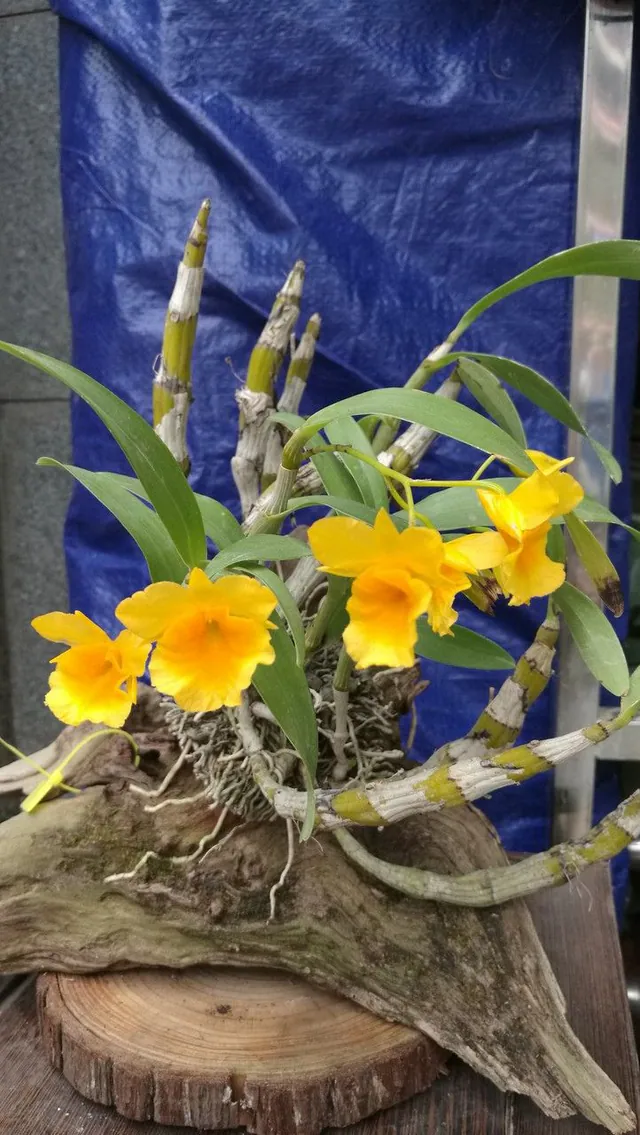
Dendrobium chrysotoxum
Care consensus, photos, and the collectors growing it.
- Common name
- ꯈꯣꯉꯨꯃꯦꯂꯩ
- Plant type
- Orchid
- Growth habit
- Epiphyte
- Light
- Bright indirect
- Watering
- Medium
- Temperature
- Tropical
- Humidity
- High
- Propagation
- Division
- Native range
- Southeast Asian rainforests
- Toxic to pets
- Not toxic
- Toxic to people
- Not toxic
- public plants
- 0 public plants
- collectors
- 0 collectors
What Dendrobium chrysotoxum is
Dendrobium chrysotoxum is an epiphytic orchid known locally as khongumelei. It grows naturally in the canopy of Southeast Asian rainforests, anchoring itself to trees rather than rooting in the ground.
Living with this orchid requires mimicking its tropical home. You will find it thrives in bright, indirect light and needs high humidity to support its growth habit. Regular, medium watering keeps the plant hydrated as it develops.
Written by Pi, the helpful collecto.rs AI
Written by Pi, the helpful collecto.rs AI. Not veterinary or medical advice — check with a professional before letting a pet or a child near an unfamiliar plant.
People and Dendrobium chrysotoxum
How our relationship with this plant has changed over time.
- Pre-colonial
Indigenous observation
People living in Southeast Asian rainforests encountered this orchid in its natural canopy habitat. It became part of the local flora recognized by its specific name, khongumelei.
- 19th century
Botanical documentation
Collectors identified and described the plant for global botanical records. This marked the beginning of its transition from a wild forest resident to an item for glasshouse collections.
- Modern era
Horticultural interest
You can now find this species in specialized collections. Growers focus on division to propagate existing plants, maintaining the species through careful management of light and moisture.
Written by Pi, the helpful collecto.rs AI
Be the first to track Dendrobium chrysotoxum
No public collectors yet on collecto.rs grow Dendrobium chrysotoxum. Yours could be the first.
Add Dendrobium chrysotoxum to your collection and you'll be the first public collector growing it on collecto.rs.
Start a collectionOther Dendrobium
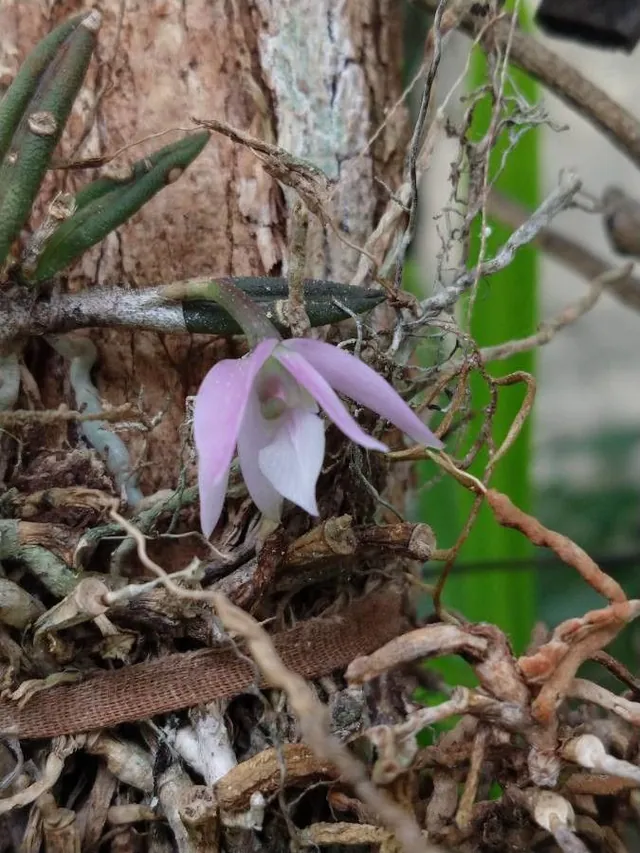
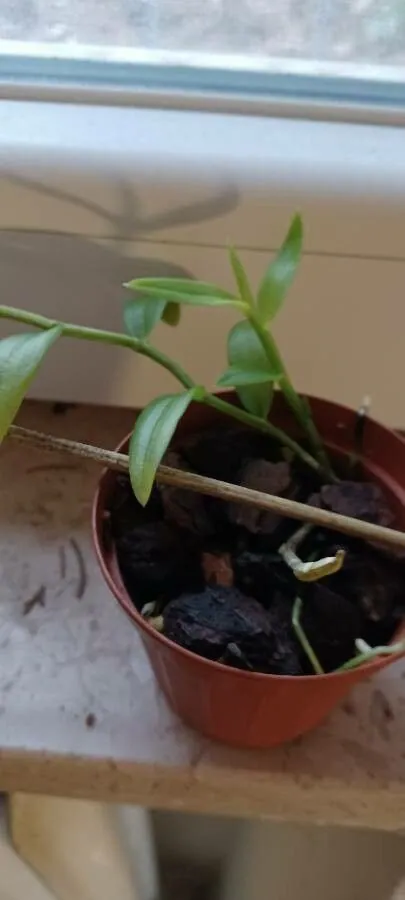
Species and cultivars from the same genus, straight out of the reference catalogue.
Frequently asked about Dendrobium chrysotoxum
Quick answers pulled from the public catalog and care consensus above.
What is Dendrobium chrysotoxum?
Dendrobium chrysotoxum is a species in the Dendrobium genus. Commonly known as ꯈꯣꯉꯨꯃꯦꯂꯩ, a orchid, and with a epiphyte growth habit. Native to Southeast Asian rainforests.
How do you care for Dendrobium chrysotoxum?
Reference care guidance for Dendrobium chrysotoxum: bright indirect light, medium watering, tropical temperatures, and high humidity. Collectors on collecto.rs will refine this as more public specimens are added.
How rare is Dendrobium chrysotoxum?
No public collectors on collecto.rs track Dendrobium chrysotoxum yet — adding yours would make you the first.
Where can I see real photos of Dendrobium chrysotoxum?
Photos from real collectors will appear here once members start tracking Dendrobium chrysotoxum on collecto.rs. Sign up to add the first set.
Can I track my own Dendrobium chrysotoxum on collecto.rs?
Yes. collecto.rs is free — sign up to log your Dendrobium chrysotoxum, upload photos, track care notes, and connect with other Dendrobium chrysotoxum collectors. Your collection stays private by default; you choose what to make public.