The short version#
Scarcity in vinyl figures comes down to math and geography, not market hype. These ten pieces demonstrate how limited convention runs, retired molds, and regional distribution create true hunting obstacles for collectors.
- Stan Lee (Iron Man) [SDCC]
- Opus Eponymous
- Batman (Silver)
- Hot Topic Girl
- Fire Nation Aang /999
- 501st Clone Trooper
- Cornvelious Daniel
- Captain Crook
- Bucky Badger
- The Oregon Duck
Vinyl figure collecting looks simple from the outside. A standard release sits on a store shelf in a windowed box, produced by the tens of thousands. You buy one, you put it on a shelf, and the story ends. But scarcity in this medium is not an accident of sudden market hype. It is a matter of strict arithmetic, physical distance, and manufacturing decisions made years ago.
When a mold retires, it never returns to the factory floor. When a convention exclusive caps its production run at a precise number, that ceiling is permanent. Add regional distribution limits into the mix—a mascot figure sold only at a campus bookstore in the Pacific Northwest, or a limited variant handed out at a single venue—and the search changes completely. Distance becomes as much of an obstacle as price.
Finding these figures is rarely a matter of waiting for an online auction to pop up. It requires understanding why a specific piece exists in such small numbers in the first place. Some were produced before the secondary market had a name for them. Others were regional oddities that slipped through the cracks of national distribution, ending up in basements rather than display cases.
We tracked down ten pieces that represent the genuine mechanical hurdles of the format. These are not figures that simply cost a lot of money on a given Tuesday. They are pieces defined by small production runs, geographic barriers, and molds that will never see a factory again. If you have been hunting for a while, you know the specific patience these require. If you just started, this is what the far end of the map looks like.
| # | Item | Set / Year | Rarity |
|---|---|---|---|
| 1 | Stan Lee (Iron Man) [SDCC] | — | — |
| 2 | Opus Eponymous | — | — |
| 3 | Batman (Silver) | — | — |
| 4 | Hot Topic Girl | — | — |
| 5 | Fire Nation Aang /999 | — | — |
| 6 | 501st Clone Trooper | — | — |
| 7 | Cornvelious Daniel | — | — |
| 8 | Captain Crook | — | — |
| 9 | Bucky Badger | — | — |
| 10 | The Oregon Duck | — | — |
10. The Oregon Duck#
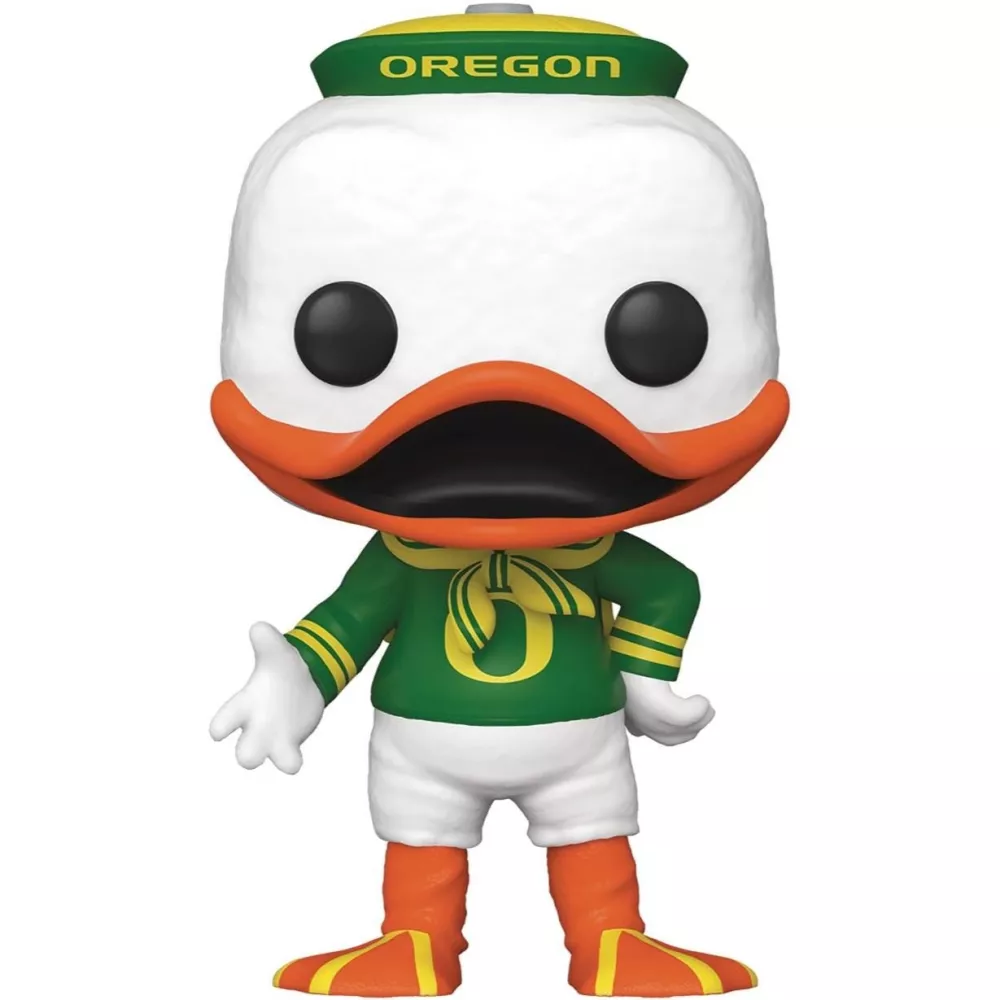 The Oregon DuckSee it on collecto.rs
Three hundred miles of driving for a three-inch vinyl figure sounds unreasonable until you try to buy an Oregon Duck online. Funko produced this mascot figure for the University of Oregon in tiny quantities, distributing it primarily through local campus retail shops in Eugene. It never received a wide release through national big-box stores or major online retailers. If you were not standing in the Duck Store on campus when the stock landed, you missed it.
Geography is a brutal filter for scarcity. Most hard-to-find Pops gain their status through convention exclusives, sudden line cancellations, or vaulting. The Oregon Duck took a different path. It simply stayed home. While Bucky Badger shares the collegiate licensing scarcity that makes both figures difficult to track down today, Bucky at least made its way into broader Midwest distribution channels. The Duck remained anchored to a single athletic department and a handful of local shelves.
That regional footprint creates a distinct kind of search. You are not hunting through general secondary market listings so much as hoping an Oregon alumnus decides to downsize a desk collection. The box features the classic green and yellow branding, matching the mascot's iconic sidelines appearance, but the real draw is the distribution history. When a company built on global pop culture licenses releases a figure tied to a specific ZIP code, the local market absorbs it instantly. Finding one outside the Pacific Northwest requires patience, luck, or a very helpful contact in Eugene.
9. Bucky Badger#
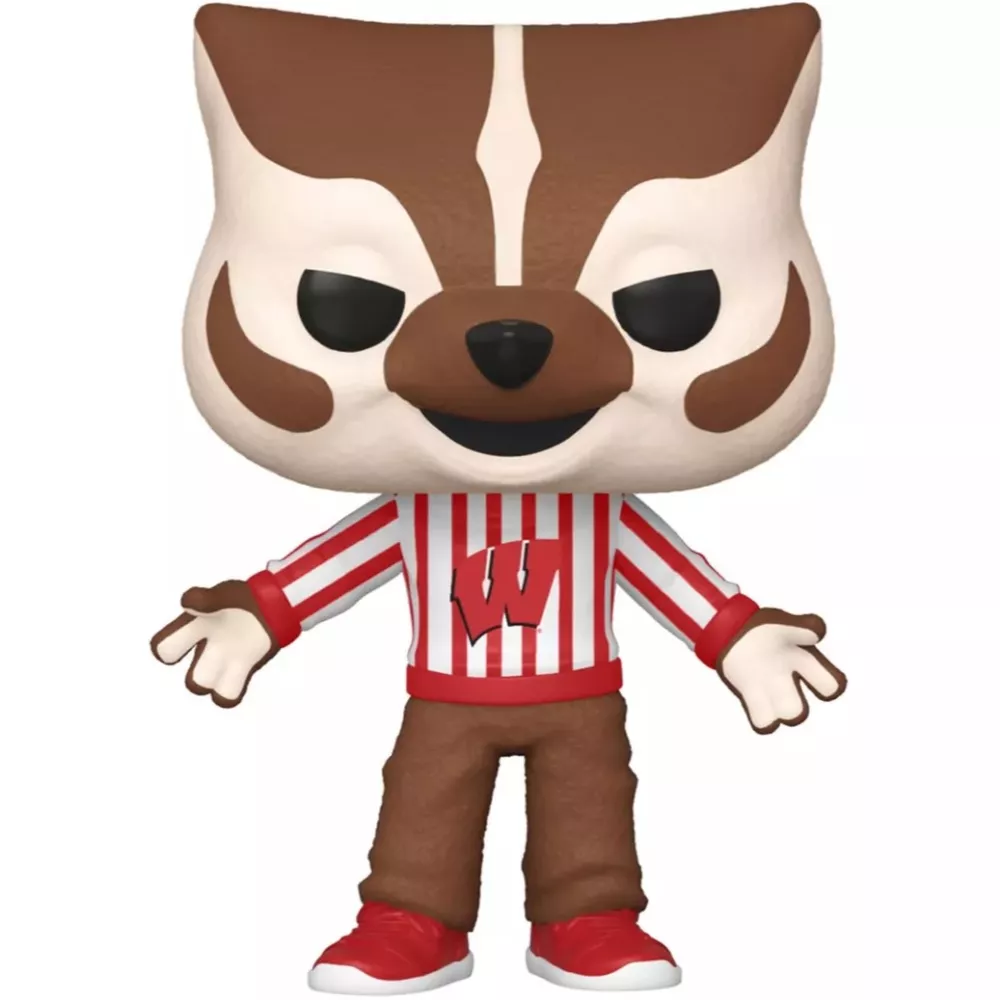 Bucky BadgerSee it on collecto.rs
Pop Culture lines command the massive display walls at major retailers, but collegiate mascots entered the market through entirely different channels. When Funko produced Bucky Badger for the Pop! College line, it was not destined for thousands of comic shop shelves or big-box endcaps. It went to campus bookstores, local Wisconsin retailers, and regional sports outlets.
That difference in distribution changes how a figure ages in the secondary market. A Batman or Star Wars release benefits from nationwide stock, meaning thousands of collectors bought pieces specifically to keep inside pristine boxes. A University of Wisconsin mascot, by contrast, was largely purchased by alumni, students, and local sports fans. Many of those boxes were opened, displayed on office desks, or handed to kids after a game. Finding one today with an undamaged box requires sifting through decades of casual ownership.
This regional distribution pattern mirrors what happened with The Oregon Duck, but Bucky Badger came from a time when Funko was still testing how deep collegiate sports interest actually ran. The production runs for these early university figures were small because the audience was assumed to be strictly local. Funko expanded the line later, but those initial mascot runs were never reprinted once the original stock cleared the campus shops.
The scarcity here is not about artificial vaulting or limited-edition foil stickers from a San Diego Comic-Con booth. It is the natural result of a small initial footprint paired with low box-preservation rates. If you catalog your College set today, Bucky is usually the empty slot that takes years of saved search alerts to finally fill.
8. Captain Crook#
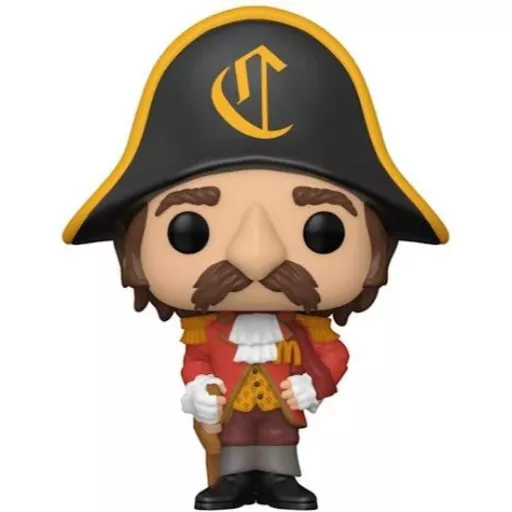 Captain CrookSee it on collecto.rs
A vinyl box sits in an attic for nine years. Moisture gets under the window glue. High temperatures soften the cardboard until the top flap sags inward under its own weight. By the time someone pulls it down from the rafters, the figure inside is pristine, but the packaging looks like it went through a washing machine.
That is the reality for Ad Icons. McDonald's retired Captain Crook in the late 1980s, replacing the file-o-fish pirate with the Fry Kids. When Funko produced his figure decades later, it landed squarely in a category where display preferences work directly against long-term survival. Most buyers took him out of the box immediately to sit on a desk or shelf alongside the Hamburglar and Grimace. The ones that stayed sealed were left in garages, basements, and closets where humidity did its work unnoticed.
While college figures like Bucky Badger became scarce because initial store orders were tiny, Captain Crook became hard to find through attrition. The production run was generous enough at launch. The problem is what happened to the paper stock over the following decade.
Finding the vinyl figure itself is manageable if you do not care about the container. Finding a Captain Crook with sharp corners, clear plastic, and a firm top flap is a different project entirely. The thin window film on these early Ad Icons boxes tends to yellow and pull away from the inner cardboard header when exposed to ambient light. If you are hunting for one today, you are not just looking for a retired mascot. You are looking for a piece of cardboard that spent ten years in climate-controlled dark.
7. Cornvelious Daniel#
 Cornvelious DanielSee it on collecto.rs
A Galactic Federation agent sits in a booth at a simulated Shoney's, eating a plate of Szechuan sauce. He appears on screen for a handful of minutes in a single season premiere, serves his narrative purpose, and gets his mind wiped. When the vinyl figure landed on store shelves in 2017 as a Galactic Convention exclusive, it seemed like a standard release for a show at the peak of its cultural noise. Then the retail inventory cleared, the production molds were shelved, and the character never returned to the screen.
Background characters from episodic animation present a distinct tracking problem. Main cast members get reissued in new poses, updated boxes, and anniversary waves. Single-episode variants almost never get a second run. Once the initial run leaves store shelves, the available supply locks permanently. The secondary market for these figures relies entirely on the initial allocation made during that brief promotional window.
That finite shelf life creates a scarcity profile very different from early ad icons like Captain Crook. Where Captain Crook became hard to find because decades of poor storage destroyed the paper packaging, Cornvelious Daniel was scarce from the start due to sheer limited intent. The box condition on these 2017 exclusives is generally higher because buyers knew what they were holding, but the total number of surviving units remains capped by that single, unrepeatable manufacturing run.
Finding one now means looking through secondary trades where the seller knows precisely what they have. It is not an item that turns up by accident in a local shop basement or a forgotten retail crate. When a single-run variant stays dead in the show's canon, the figure stays dead in the factory line. You either bought it during that one convention weekend, or you spend years monitoring listings for someone parting with theirs.
6. 501st Clone Trooper#
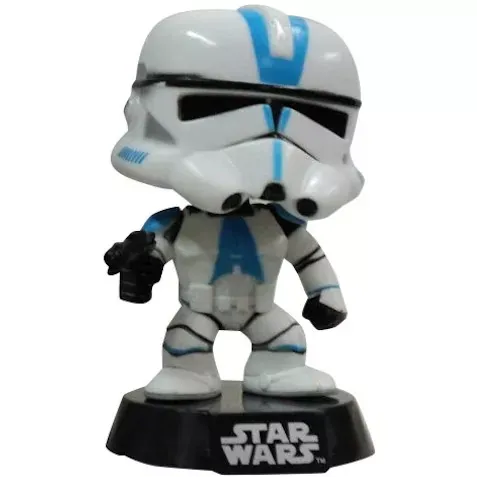 501st Clone TrooperSee it on collecto.rs
Why do some convention releases vanish forever while others linger on secondary market tables for years? San Diego Comic-Con in 2012 was a different era for vinyl figures. The blue-accented 501st Clone Trooper arrived at the event with a restricted distribution footprint that never expanded to retail stores. Once the show closed, the total global inventory was settled. There were no midnight restocks, no international variant distributions, and no second production runs to fill the gaps in Star Wars display shelves.
That complete absence of a retail follow-up sets this piece apart from the Fire Nation Aang. While Aang relies on a explicit sticker count to enforce its scarcity, the 501st Trooper achieved its rarity through structural distribution choices. Funko allocated the figure exclusively to the convention floor, treating it as a event-specific souvenir rather than the lead item for a massive physical store rollout. Collectors who missed the booth during that specific weekend in California were left with a single avenue: convincing an attendee to part with a boxed figure before they even left the convention center.
Over a decade later, the physical condition of these boxes tells the real story. Many were stuffed into overfilled backpacks, carried across crowded show floors, or shipped home in soft luggage. Finding an intact box today requires looking through collections built by people who understood long-term storage before the broader market caught up. The vinyl itself remains a snapshot of early design choices, featuring the simpler paint applications and distinct eye shapes of that initial Star Wars line. It represents a moment right before event exclusives turned into a global logjam of online queues and digital reservation systems.
5. Fire Nation Aang /999#
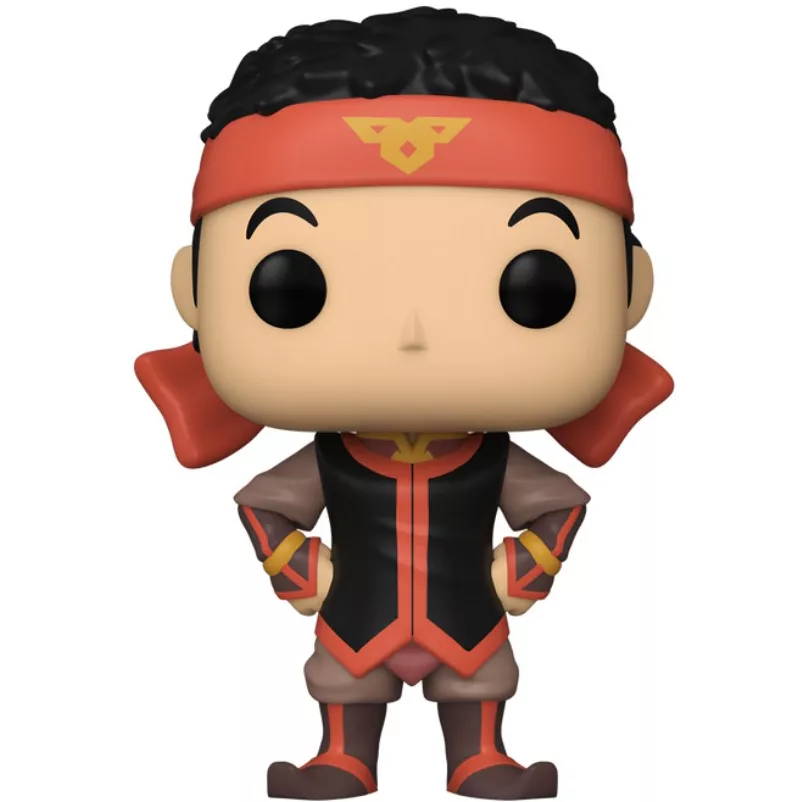 Fire Nation Aang /999See it on collecto.rs
People call every rare figure a limited release. Most of the time, that just means the factory stopped running the line when orders slowed down. Fire Nation Aang is different. The number is printed right on the box, capped at exactly 999 pieces. Once those nine hundred and ninety-nine left the floor, the run was over forever.
Strictly numbered sticker runs create a hard mathematical ceiling on global supply. With unnumbered convention releases, like the 501st Clone Trooper, supply felt tight because distribution was limited to a single building for a few days. Yet no one outside the factory knew the true production total. With this Aang variant, the math is entirely public. You know the exact upper limit of existing copies, and you know that number shrinks every time a box gets crushed in transit or thrown out during a move.
That explicit cap changes how these boxes move through the market. When a figure has a known ceiling under a thousand units, almost every copy lands in a permanent collection immediately. They do not sit on retail shelves waiting for a casual buyer, and they rarely show up in mixed lots at local toy swaps. Finding one requires tracking down an individual owner who is ready to let theirs go.
You can keep track of scarce figures like this in your collecto.rs account. Add the specific variant to your inventory, record the condition of the box, and export your complete record as a CSV whenever you want to back up your data.
4. Hot Topic Girl#
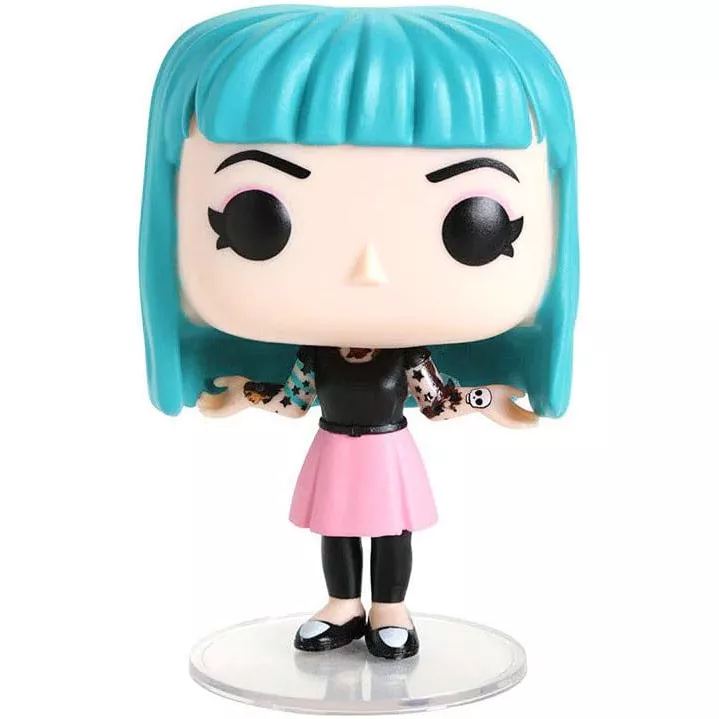 Hot Topic GirlSee it on collecto.rs
Four days in October 2014 was all the window this box got. Hot Topic handed the vinyl figure to employees during a short promotional push, tucked it into shipping crates for store teams, and moved on to the next seasonal display. Most retail exclusives leave a paper trail of preorder pages or shelf restocks. This one skipped the shelves entirely.
Promotional giveaways inside retail chains operate on a different logic than convention exclusives. When a figure like the Fire Nation Aang carries a strict /999 sticker, the ceiling is clear from the day it drops. Everyone knows the count, and the boxes move straight from the convention floor into protective cases. Promotional employee pieces break the tracking system. They get opened on breakroom tables, tossed into backpacks, or left behind in backrooms during store redesigns. Scarcity here is not a mathematical promise made by the manufacturer. It is the natural result of a figure that was never meant for a cash register.
Finding one now means hunting down people who worked retail a decade ago and kept their shift memorabilia intact. The paint job features the company's red-and-black styling, but the real draw is the origin story printed on the cardboard. The window sticker tells you it belonged to a specific moment in mall retail history that vanished as soon as the next shipment arrived. When a figure enters the market without an item number on a public receipt, tracking down a clean box takes years of quiet searching.
3. Batman (Silver)#
) Batman (Silver)See it on collecto.rs
Batman (Silver)See it on collecto.rs
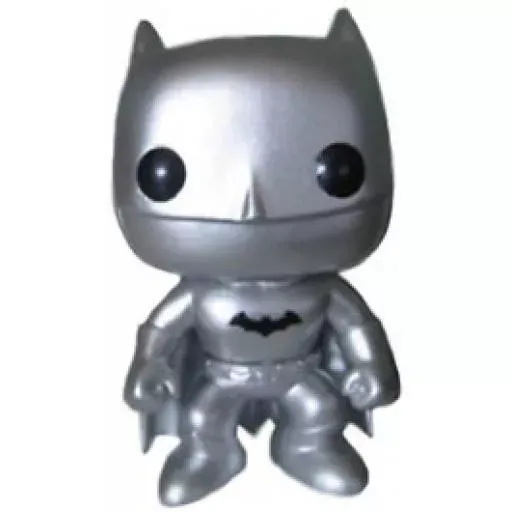
A bright yellow box on a retail shelf practically begs you to pick it up. This figure does the exact opposite, slipping into the background with a muted metallic sheen that looks almost industrial. Released in 2015 as an exclusive for employees at Funko headquarters, the Silver Batman was never stamped with a standard retail barcode or boxed for a store display. It was a thank-you gift handed out internally, which instantly set its total output far below the standard production runs of the era.
That origin puts it in a different category than figures like the Hot Topic Girl. Where retailer exclusives disappear because of tight promotional windows and fast-moving foot traffic, corporate gifts never hit a counter in the first place. They move from an executive desk to a home bookshelf, entirely bypassing the secondary market until a former staff member decides to part with theirs.
Paint variants are common in vinyl figures, but full-body metallic coats from this period are notorious for subtle quality control shifts. The silver finish on this mold covers every detail from the cowl down to the boots, turning a familiar sculpt into a single monochromatic shape. Because the distribution was strictly internal, finding one with an unblemished box and an even coat means tracking down a piece that stayed in a private residence for nearly a decade.
When you add a rare variant to your collecto.rs account, you can log the specific sticker details and box condition alongside your photos. It gives you a clean record of the piece that stays with you, even if you decide to trade it down the road.
2. Opus Eponymous#
 Opus EponymousSee it on collecto.rs
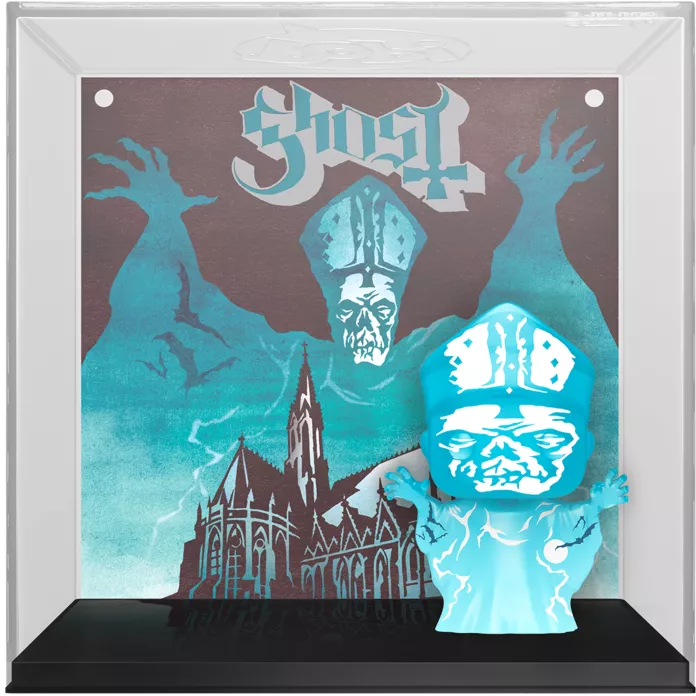
A heavy metal band plays a secret gig at a midnight retail release. Four hundred people get inside. Two hundred leave with a small cardboard box tucked under their arm, and the rest spend the next decade checking auction sites every morning at six. Heavy metal merchandising operates on its own terms, but rock and roll vinyl figures follow an even stricter calculus.
While event pieces like Batman (Silver) rely on corporate anniversary events to limit their distribution runs, Opus Eponymous gained its rarity through the sheer scale of its niche. Ghost built its early reputation on theatrical mystery, deliberate imagery, and fiercely dedicated listeners who bought everything immediately. The initial run for this figure was tiny because the original audience was tiny. By the time the band filled arenas, those early boxes had already vanished behind glass doors and into basement display cases. They rarely come back out.
Finding one now requires patience and luck in equal measure. Music figures generally face a rougher lifespan than screen characters. They travel in tote bags to show floors, sit on amp cabinets during soundchecks, or collect dust near stereo receivers. Finding a clean box without a crushed corner or a warped window is the real hurdle. Most of the survivors show their miles.
If you happen to track one down, collecto.rs gives you a clean, quiet space to log the exact condition, document the box wear, and store your high-resolution photos. You can export your full catalog data whenever you want, keeping your complete record entirely in your own hands.
1. Stan Lee (Iron Man) [SDCC]#
![Stan Lee (Iron Man) [SDCC]](/img/cds/funko-pops/stan-lee-iron-man-sdcc/stan-lee-iron-man-sdcc.webp?q=Stan%20Lee%20(Iron%20Man)%20%5BSDCC%5D) Stan Lee (Iron Man) [SDCC]See it on collecto.rs
Stan Lee (Iron Man) [SDCC]See it on collecto.rs
A security guard at San Diego Comic-Con once watched a man trade an extra hotel room key for a red-and-gold box. That is the math of the floor. You trade what you have for what will not exist tomorrow.
Stan Lee cameos are a fixture of Marvel films, but his convention-exclusive figures occupy a different kind of space. While niche music releases like Ghost's Opus Eponymous depend on tiny initial pressings to create scarcity, this figure used a strict venue cap. You had to be in the room in San Diego. You had to stand in the line, survive the badge checks, and get past the booth staff before the daily allotment dried up.
This specific release put Lee in the metallic Iron Man armor, combining the creator's likeness with the character that launched the modern cinematic universe. It was not a mass-market retail drop that happened to sell out quickly. It was built as a closed system from day one. When a figure requires physical presence at a single event in a single year, the secondary market becomes the only market almost immediately.
That initial barrier shapes everything that comes after. Years later, these boxes rarely surface in open trades. Most sit behind UV-resistant acrylic on personal shelves, locked away by people who stood in that line themselves or paid the immediate post-convention tax. Finding one today means convincing a owner to break up a set they likely spent years completing. If you track your figures in collecto.rs, you can mark the exact convention variants you own and export that detailed history whenever you need to adjust your insurance coverage.
The common thread across these ten figures is not that they are old, or even that they are expensive. The common thread is that the math was set early. A run of nine hundred and ninety-nine pieces remains nine hundred and ninety-nine pieces forever. A mascot figure sold at one university store in 2012 does not magically multiply because more people want it a decade later.
That reality is what makes the hunt interesting. The fun is not in the market value attached to a sticker or a box corner. It is in knowing the history of a mold, understanding how geographic distribution shaped where those boxes landed, and tracking down a piece that spent ten years sitting on someone's desk before anyone realized how few were made.
Whether your shelves hold ten figures or ten thousand, keeping track of what you have—and the specific stories behind how you found them—is part of the work. If you need a place to log your shelf counts, document box condition, or keep your want-list clear, collecto.rs is built for that. You can catalog your collection, export your data whenever you want, and keep the focus where it belongs: on the shelf.
Frequently asked questions#
What makes a Funko Pop genuinely scarce?#
True scarcity relies on hard production limits, not secondary market pricing. Convention exclusives capped at specific piece counts, cancelled retail runs, or figures produced for a single event create a fixed supply. Once those pieces settle into private cabinets, fewer hit the market each year regardless of price.
How can you tell if a rare Funko Pop is authentic?#
Examine the box details and figure stamps. Look at the font weight on the item number, the crispness of the border lines, and the copyright stamp molded directly onto the bottom of the figure's foot or neck. Counterfeits often miss subtle box gloss contrasts or print exact serial numbers across different production runs.
Does a vaulted status mean a pop is hard to find?#
Not automatically. Vaulted simply means Funko stopped manufacturing that specific mold. If Funko produced tens of thousands of units before vaulting the design, the secondary market remains flooded for years. A figure only becomes hard to find when a low initial print run meets a vaulted status.