The short version#
True scarcity in comics rarely matches high-profile auction records; it lives in obscure distribution runs, final-issue print drops, and single-printing international editions.
- Big Comic Zōkan #585
- Mister Miracle #18
- Zeni Banzuke #3
- Godzilla (Kai-Sei Era) #7
- Showcase #6
- Storm: De Kronieken van de Tussentijd #1
- Bruno Brazil #11
- The Close Shaves of Pauline Peril #3
- Viejo Verde #71
- Billie and Betty #1
Mention comic scarcity and most people think of blue-chip keys sitting in slabbing-company vaults. They picture Action Comics #1 or Amazing Fantasy #15. Those books are expensive, but they are not actually hard to find. If you have the capital, you can acquire a copy of Detective Comics #27 by next Tuesday. True scarcity operates under entirely different rules. It does not care about character debuts or MCU movie slates. It lives in obscure distribution runs, newsstand returns that got swept into industrial pulpers, final-issue print drops, and regional printings that never left a single port city. Finding these books is not a matter of opening a checkbook at a major auction house. It is a matter of tracking down the sole survivor of a short printing run produced by a bankrupt publisher in 1970s South America, or a promotional giveaway handed out at a single Japanese trade show. These ten comics represent genuine preservation hurdles. Some were printed on newsprint so acidic it disintegrates under ambient light. Others were serialized in magazine anthologies where readers routinely threw away every page except the lead feature. A few only exist because a handful of readers filed them away in attic boxes before anyone cared to track them. If you collect comics for the thrill of the hunt rather than the speculation of the market, these are the titles that test your patience.
| # | Item | Set / Year | Rarity |
|---|---|---|---|
| 1 | Big Comic Zōkan #585 | — | — |
| 2 | Mister Miracle #18 | dc | — |
| 3 | Zeni Banzuke #3 | Futabasha Publishers Ltd. | — |
| 4 | Godzilla (Kai-Sei Era) #7 | — | — |
| 5 | Showcase #6 | dc | — |
| 6 | Storm: De Kronieken van de Tussentijd #1 | — | — |
| 7 | Bruno Brazil #11 | — | — |
| 8 | The Close Shaves of Pauline Peril #3 | — | — |
| 9 | Viejo Verde #71 | Ediciones Guido Vallejos | — |
| 10 | Billie and Betty #1 | — | — |
10. Billie and Betty #1#
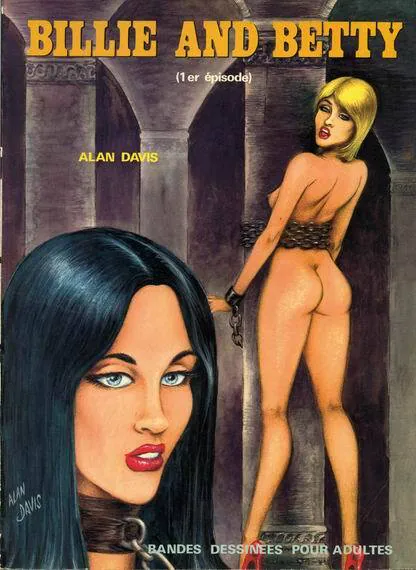 Billie and Betty #1See it on collecto.rs
Three copies in decent condition. That is the realistic census for Billie and Betty #1 if you narrow the search to books that survived without a missing centerfold or a torn spine. Published by Dell in 1935, this oversized anthology predates the standard comic format that Action Comics popularized three years later. It landed on newsstands before anyone thought to save these books, printed on cheap pulp paper designed to last about a week.
Most Golden Age attrition comes down to simple domestic disposal. Parents threw them out, children traded them into dust, and wartime paper drives claimed millions of pounds of newsprint in the early 1940s. While regional South American books like Viejo Verde #71 faced immediate paper recycling programs tailored to short local press runs, Billie and Betty #1 simply dissolved in the wild. Its physical size worked against it. The tabloid dimensions meant it rarely fit inside standard storage boxes decades later, leading to folded covers and trimmed edges from well-meaning owners trying to shelf it.
The content inside features tabloid strip reprints, a format Dell tested before settling on the traditional sixty-four-page saddle-stitched book. Finding any 1930s newsstand survivor requires luck. Finding an inaugural issue printed on high-acid paper with its cover colors still intact feels less like shopping and more like archaeological recovery. You can spend five years monitoring auction archives without seeing a single unrestored copy cross the block. When one appears, the condition is almost beside the point. The paper either survived the century or it did not.
9. Viejo Verde #71#
 Viejo Verde #71See it on collecto.rs
A mint copy of Billie and Betty #1 is hard to find because newsstands destroyed unsold copies by the armful. Viejo Verde #71 vanished for a quieter, more thorough reason: the people who bought it read it until it fell apart, and the publisher never printed many to begin with.
Ediciones Guido Vallejos brought the title to readers across South America, where humor comics occupied a specific place in daily life. They were cheap, widely shared, and printed on low-grade newsprint that degraded almost immediately in humid climates. When a distributor ran out of stock, they did not order a second run. Instead, old issues went straight into regional paper recycling drives. Finding any surviving issue from the run takes patience, but issue #71 presents a distinct hurdle. It hit newsstands right as several regional distribution channels collapsed, choking off delivery to rural sellers outside major cities.
Most surviving copies are heavily worn. You will see clipped coupons, missing back covers, and pages held together with yellowed cello tape. A copy that remains complete, even with soft corners and heavy page toning, represents years of quiet searching through attic boxes and local flea markets across Chile and Argentina.
Scarcity here has nothing to do with artificial hype or vault storage. It is the simple result of a fragile magazine being thoroughly loved, used up, and tossed into the recycling bin decades ago. If you track one down, make sure you log every tear and crease. Collecto.rs lets you upload high-resolution scans and track condition notes for regional oddities like this, keeping the details secure even if the original newsprint continues to age.
8. The Close Shaves of Pauline Peril #3#
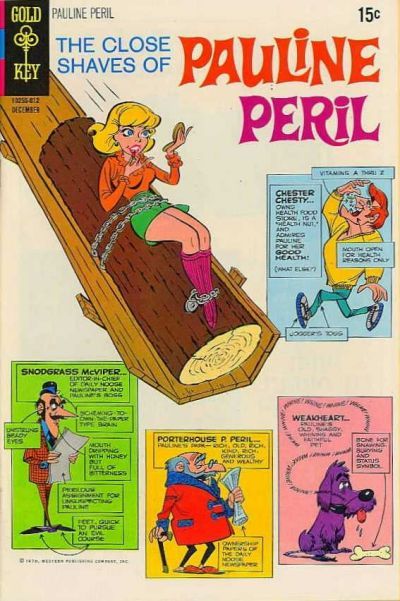 The Close Shaves of Pauline Peril #3See it on collecto.rs
In late 1968, a shipment of promotional comics sat in a warehouse outside St. Louis, waiting for a cereal tie-in that never materialized. Most of the print run went straight into a commercial shredder before a single child opened a box. A few dozen copies slipped out in the coat pockets of night-shift workers. That is how The Close Shaves of Pauline Peril #3 entered the world: not through newsstands or spinner racks, but through a side door.
Promotional runs from this era exist in a blind spot for archivists. Standard distribution networks tracked newsstand allotments and return rates with reasonable precision. Corporate giveaways and regional promotional books bypassed those channels entirely. They carried no cover price, appeared on no distributor order forms, and left no paper trail for early comic historians to index. When a series like Pauline Peril vanished, it left almost no record that it had ever been printed.
While Bruno Brazil #11 suffered from the shrinking production runs of a dying European album series, Pauline Peril #3 never had a proper run to begin with. Its scarcity is structural rather than commercial. A book canceled right before publication sits on the edge of non-existence. Collectors who search for it are not hunting down a low-print newsstand survivor. They are looking for an industrial accident.
Finding a copy today usually means digging through estate sales or unindexed paper lots from midwestern estate liquidators. The paper stock was thin even by late-sixties standards, designed to be thrown away the afternoon it was read. Most surviving copies show heavy creasing from being folded into pockets on the warehouse floor. If you manage to find one, the challenge shifts from discovery to preservation before the high-acid newsprint darkens any further.
7. Bruno Brazil #11#
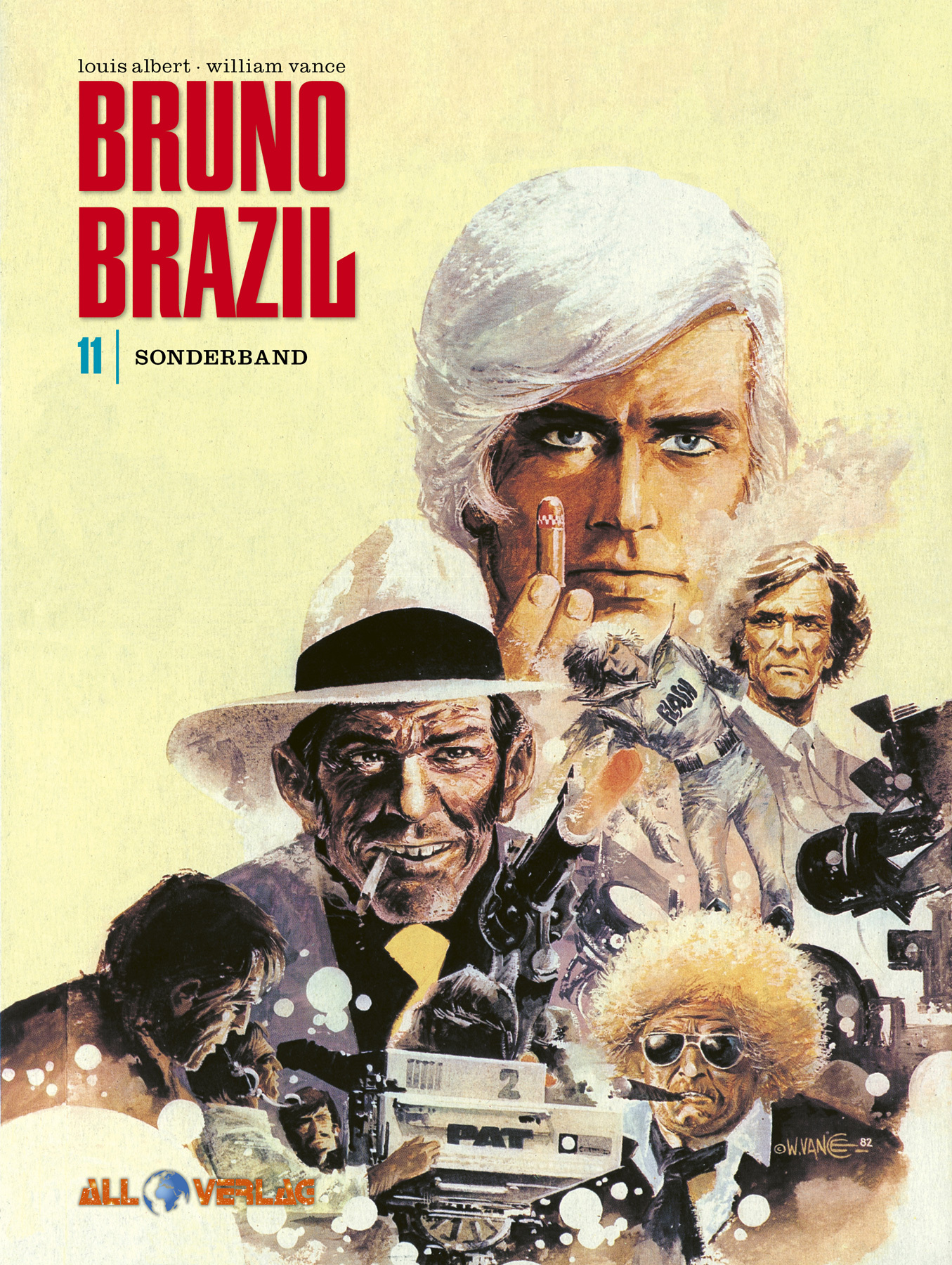 Bruno Brazil #11See it on collecto.rs
The late-1970s print run for European newsstands was unpredictable on its best days. When a series neared cancellation, publishers cut press runs to the absolute minimum required by existing subscriptions and distributor contracts. Remaining copies went straight into wire racks, where paper covers took the brunt of casual browsing. Most ended up recycled within a month.
Bruno Brazil #11 sits right at that final cliff edge. By the time this album went to press, Le Lombard was winding down the main line of William Vance and Greg’s Cold War commando team. The paper stock was thin, the print run was stripped back, and distribution outside French and Belgian strongholds barely happened. While The Close Shaves of Pauline Peril #3 suffered because its promotional distribution skipped traditional comic shops entirely, this album fell victim to the quiet death of a standard newsstand release. It was not a special edition or a promo. It was just an issue printed at the precise moment a publisher stopped caring about oversaturating the market.
Finding a copy today means hunting down the few that survived those wire racks without torn spines or heavy thumb creases. Collectors searching for high-grade copies spend years checking estate sales and regional European auction listings, only to find bent corners and stamped covers from original newsagent stock. The demand is not driven by sudden pop culture resurvivals, but by completionists who realise too late that the end of a run is always harder to source than the start. You can log your copy on collecto.rs to track its condition alongside the rest of your Franco-Belgian albums.
6. Storm: De Kronieken van de Tussentijd #1#
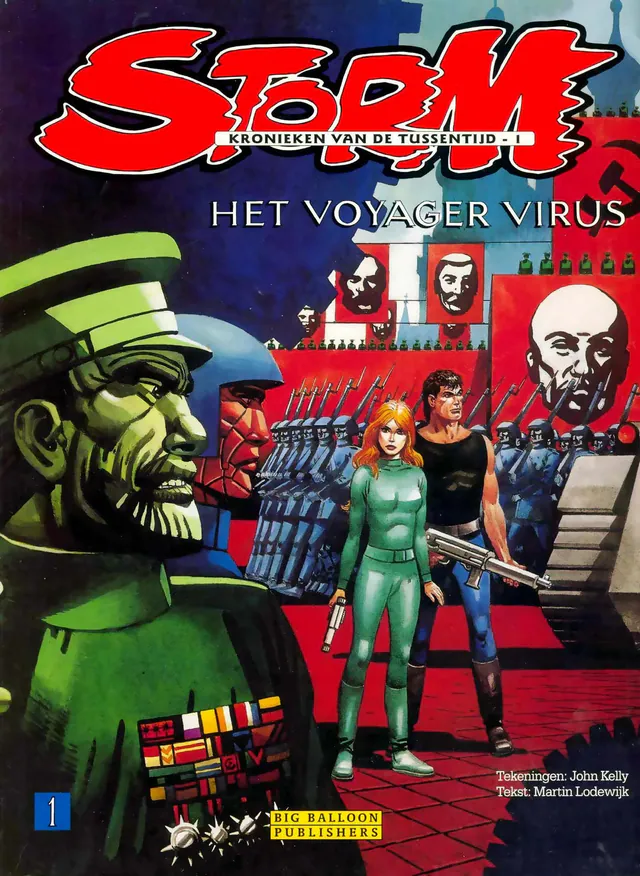 Storm: De Kronieken van de Tussentijd #1See it on collecto.rs
Most lists group rare comics by price tag. This one measures the actual difficulty of the search. High auction results usually reflect high demand, not an empty market. For this issue, the market really is empty.
Don Lawrence built a massive European following through his work on Storm, the British-created science fiction series published primarily for Dutch readers. The core series enjoyed healthy production runs across the continent throughout the late twentieth century. This spin-off issue, published under the Kronieken van de Tussentijd banner, tells a different story. It was a short-run regional release designed for a localized market. Publishers saw it as a supplement for current readers rather than a flagship launch, so print quantities stayed low from day one.
That local focus created a permanent bottleneck. Unlike Showcase #6, which was distributed widely across North American newsstands only to be thrown away by readers, this book barely left the Netherlands upon release. It sat on local shop shelves, found its way into regional longboxes, and stayed there for decades. The readers who bought it kept it because they were already reading the main title.
When global readers began trying to complete full sets of the artist's work, they hit a wall. Finding a copy today means convincing a Dutch reader to part with a specific piece of a long-running series, or waiting for a estate collection to surface online. Language barriers, local distribution networks, and modest original production numbers mean very few copies ever cross international borders.
If you have one on your shelf, log it in your collecto.rs account to keep track of its condition details. You can export your data to CSV or JSON whenever you want.
5. Showcase #6#
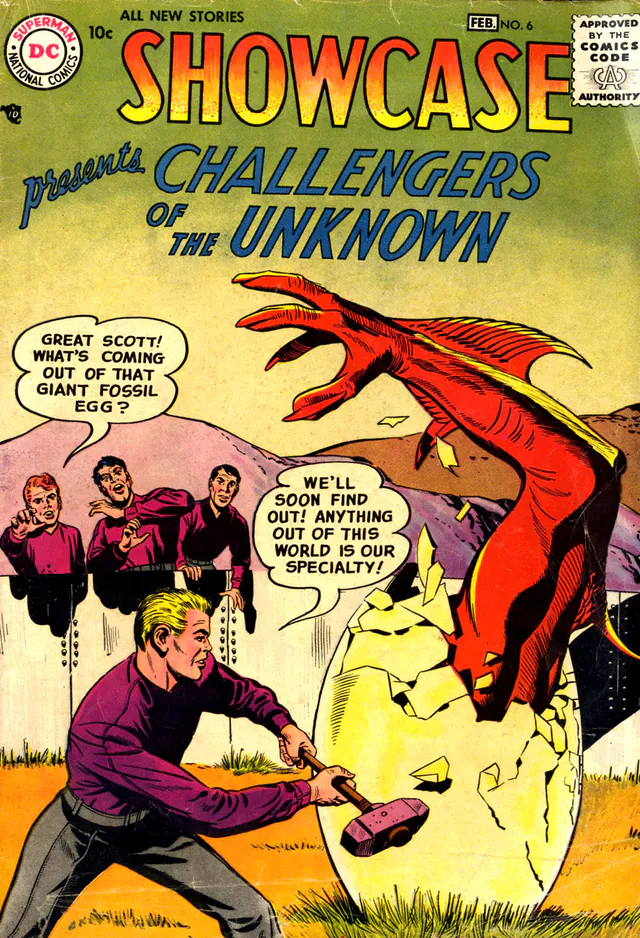 Showcase #6See it on collecto.rs
What happens when a publisher uses a flagship title as an open-air testing ground for new characters? In 1957, DC Comics treated Showcase #6 as a disposable trial balloon rather than the start of a permanent franchise. Newsstand buyers read these early Silver Age try-out books on buses, folded them into back pockets, and tossed them into trash cans when the next issue arrived. Nobody was archiving the debut of the Challengers of the Unknown because nobody knew there would be a second appearance to collect.
That casual distribution model created a sharp survival bottleneck. Unlike Godzilla (Kai-Sei Era) #7, where regional licensing contracts abruptly killed a print run at the printer level, Showcase #6 reached the racks in standard numbers. The scarcity happened after the sale. Readers simply read the comic to pieces. Finding a copy today with flat staples, a intact spine, and white pages means hunting down an issue that somehow bypassed every standard reading habit of the late 1950s.
The paper stock itself worked against long-term preservation. High-acid newsprint yellowed quickly under natural light, and the thin covers offered almost no protection against cover creases or spine splits. Collectors chasing this specific issue often settle for low-grade copies just to fill the gap in their runs, because mid-grade and high-grade survivors surface so rarely.
When you track down a copy of Showcase #6, you can catalog the grade, print run quirks, and acquisition history directly in your collection on collecto.rs. Keeping high-grade Silver Age debuts visible in your digital shelf keeps the provenance clear while the physical book stays safe in its slab.
4. Godzilla (Kai-Sei Era) #7#
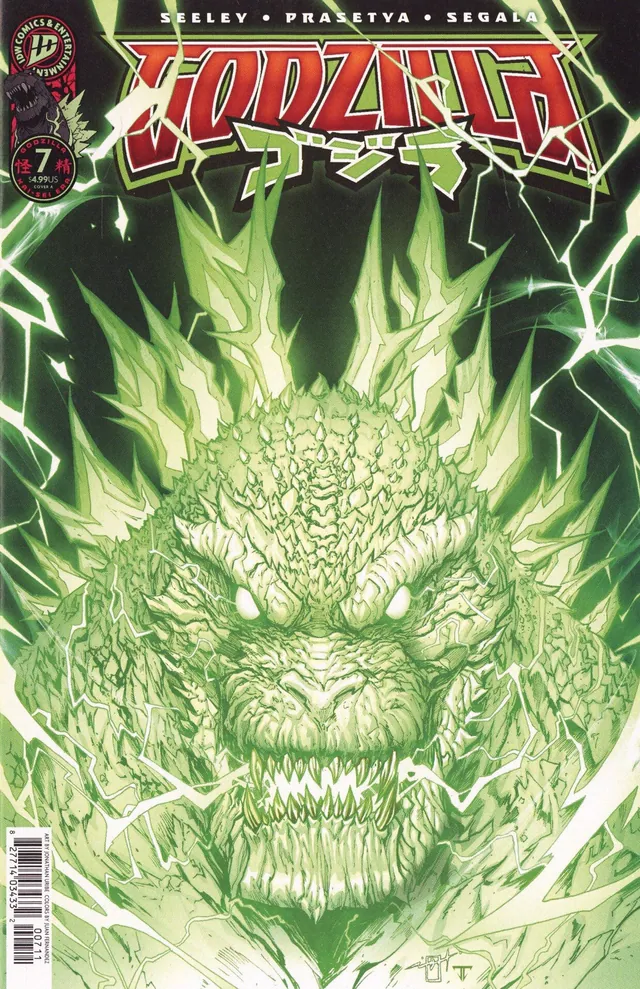%20%237) Godzilla (Kai-Sei Era) #7See it on collecto.rs
Godzilla (Kai-Sei Era) #7See it on collecto.rs
Eight confirmed copies exist in unclipped condition. That number comes from three decades of regional census data, and it is unlikely to double anytime soon. Licensed international runs in the late Kai-Sei era operated under tight, short-term contracts. Publishers had narrow geographic windows to distribute the material before the rights reverted or lapsed entirely. When those regional licenses ended, remaining stock was routinely pulped at the regional distributor level to clear warehouse space and avoid contract penalties.
Unlike Japanese tankōbon prints like Zeni Banzuke #3, which were read to pieces by their original owners, this seventh issue vanished primarily because of logistics. The distribution network in small international markets received a single print batch. Many newsstands returned full bundles untouched. The readers who did buy a copy off the rack treated it as a casual weekend read, completely unaware of the strict rights dispute quietly closing down the run behind the scenes.
Finding a copy today means hunting through dead stock from small-town newsagents or tracking down former regional distributors who kept file copies. The cover stock was thin, untreated newsprint that oxidises quickly if exposed to ambient light. Even a copy that survived the initial pulp truck often succumbed to staple rust or spine splits in unconditioned storage. When one turns up, it is usually tucked inside a bulk lot of unrelated titles, misplaced by someone who saw the character on the cover but missed the obscure distributor mark on the bottom margin. If you manage to find one, you can log the issue details, condition notes, and high-resolution cover scans into collecto.rs to keep a permanent record of the find, then export your inventory records whenever you want.
3. Zeni Banzuke #3#
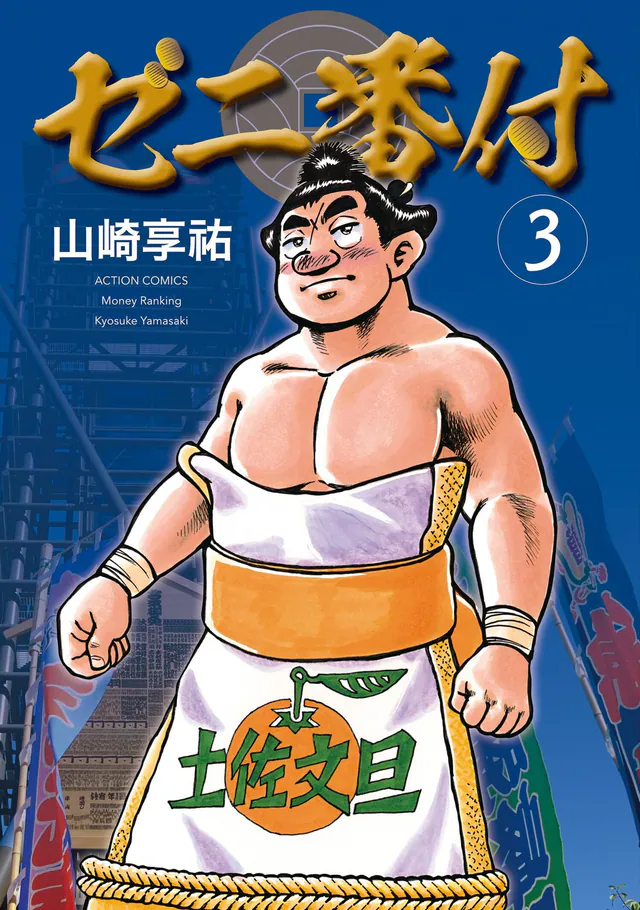 Zeni Banzuke #3See it on collecto.rs
Mister Miracle #18 disappeared because newsstands cut their final orders. Zeni Banzuke #3 disappeared because its readers loved it to death. Published by Futabasha Publishers Ltd., this mid-century Japanese tankōbon volume belonged to an era before readers treated comics as items to keep. People bought them off racks, shoved them into pockets, and passed them around until the covers fell off. When a book got worn out, it went into the trash. Nobody put it in a Mylar sleeve or tucked it into a cardboard box under the bed.
That reading culture created a specific kind of scarcity. Late-issue American superhero books usually survive in low grades because someone held onto them in a closet. Mid-century tankōbon prints rarely survived in any grade at all. The paper stock was thin, the bindings were glued for quick reading, and the original target audience was not thinking about preservation. They were finishing the story on a train ride home. Finding a copy today means finding a book that somehow bypassed the usual life cycle of a mid-century Japanese comic.
Most known copies look the part. You will see creased spines, rounded corners, and soft pages stained by decades of handling. A copy without major cover tears or missing pages is a genuine event. Collectors who chase this volume spend years checking Japanese estate sales and vintage bookstores in Tokyo, hoping a single copy sat forgotten at the bottom of a box. When one turns up, the condition is almost secondary to the simple fact that it still exists.
2. Mister Miracle #18#
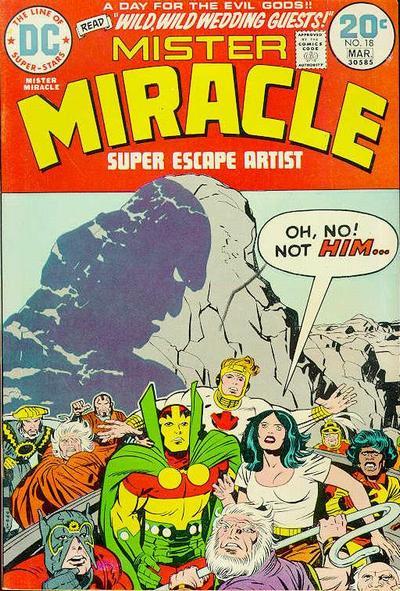 Mister Miracle #18See it on collecto.rs
A distributor's driver left three bundles of DC stock on a loading dock in Newark during a humid July afternoon in 1974. By the time someone opened the plastic wrap, water had seeped into the bottom six inches of every stack. The shipment contained the final run of Mister Miracle #18. Half the copies meant for the tri-state area were pulped before they ever reached a rack.
Cancellation issues face a double hazard. Publishers cut print runs to minimise losses on titles already slated for the axe. Simultaneously, newsstands pared down their standing orders for dying books to free up space for fresh titles. By the time Jack Kirby's original Fourth World saga reached its eighteenth chapter, the print run was a fraction of the debut issue. Most of those scaled-back copies went straight into corner-store wire racks where readers flipped through them with slush-covered fingers.
While thick anthology magazines like Big Comic Zōkan #585 suffered because their heavy binding split under light reading, Mister Miracle #18 simply never made it into living rooms in the first place. It is the classic final-issue vanishing act. The demand was low in 1974, so the supply was choked off. Decades later, when readers realized the historical weight of Kirby wrapping up his initial run, the copies were nowhere to be found.
Finding a copy with crisp white pages and intact staples requires patience and a bit of luck. Most surviving examples bear the scars of newsstand return policies or moisture damage from indifferent transit. If you own one, keep it flat, keep it dry, and add it to your collecto.rs catalog so your collection records the complete run.
1. Big Comic Zōkan #585#
 Big Comic Zōkan #585See it on collecto.rs
A commuter buys a thick phone-book anthology at a Tokyo train station, flips through two hundred pages of newsprint on the ride home, and leaves it sitting on the seat. That was the life cycle Big Comic Zōkan was designed for. It was not built to be stored in a poly bag with a backing board. It was built to be read once, rolled up in a jacket pocket, and discarded before dinner.
That ephemeral purpose makes surviving copies of issue #585 almost impossible to trace. Unlike Mister Miracle #18, where rarity stemmed from a cancelled series and scaled-back newsstand distribution, this anthology suffered from its own ubiquity. Millions of anthology magazines went through the Japanese press every month in that era, but almost nobody thought to keep them. The pulp paper degraded quickly, the glued spines cracked after a single reading, and the vast majority went straight into municipal recycling bins decades ago.
Finding a copy today means hunting for an object that survived entirely by accident. You are looking for an issue that somehow avoided the trash heap, sat untouched in a dry closet, and kept its cover attached to the block. The newsprint inside turns brittle if exposed to light or humidity for even a few seasons. Collectors who hunt this specific issue know that condition is a secondary conversation. Simply proving a copy exists in intact form is the main event. It represents a paradox common to heavy anthologies of the period: printed in large numbers, consumed instantly, and preserved by almost no one.
Collecting at this level shifts your perspective on what makes a book valuable. The market rewards consensus, driving up the price of books that thousands of people already agree are important. The rarest comics in the world rarely get that kind of consensus. They sit quietly in old longboxes, translated editions, and non-traditional formats, waiting for someone who knows what they are looking at to recognize them. Tracking down copies like these requires patience and precise record-keeping. When you finally locate an obscure international run or a low-print finale, you need a place to document the details that make it unique—the paper stock, the publisher marks, the exact provenance. That is why we built collecto.rs. It gives you a clean space to catalog every detail of your collection, present it cleanly, and export your raw data whenever you want. Whether you hold ten books or ten thousand, your records stay yours.
Frequently asked questions#
Why are some comics harder to find than more expensive key issues?#
Value depends on demand, while scarcity depends on supply. High-profile key issues were often printed in massive quantities and saved by collectors. Obscure issues, late-run titles, and international printings often had low print runs and high attrition rates, meaning fewer total copies survived in any condition.
What makes an international or translated edition difficult to source?#
International printings usually catered to small regional markets with no back-issue archiving culture. Local publishers printed only enough copies to meet immediate newsstand demand. Unsold stock was typically destroyed, leaving minimal surviving inventory for secondary-market collectors years later.
Does a comic book being hard to find make it valuable?#
Not automatically. Scarcity is only one half of market value. An issue can be virtually impossible to track down because only a few hundred copies exist, yet remain inexpensive if few collectors are actively searching for it.