Image via Macaulay Library
Philippine Eagle
- Scientific name
- Pithecophaga jefferyi
- Family
- Accipitridae
- Conservation status
- Endangered
- Habitat
- Forest mixed
- Wing shape
- Broad
- Tail shape
- Long
Where it came from
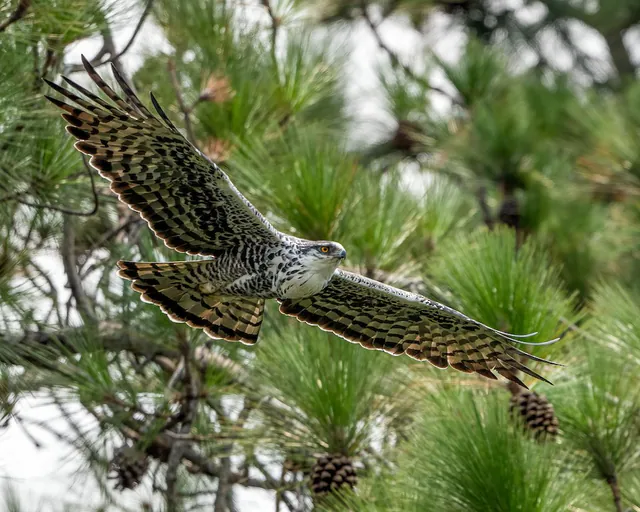
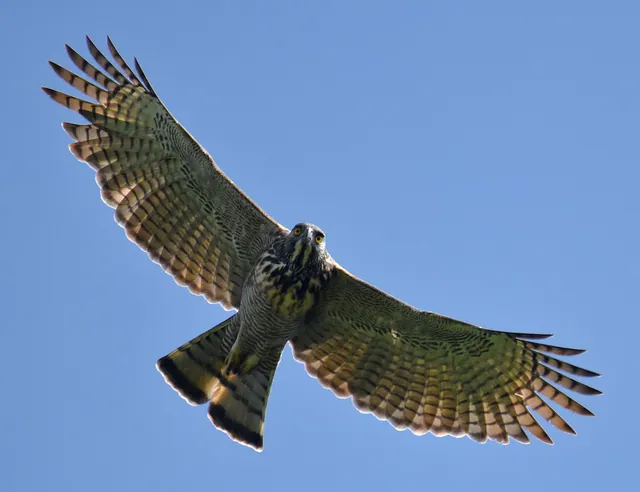
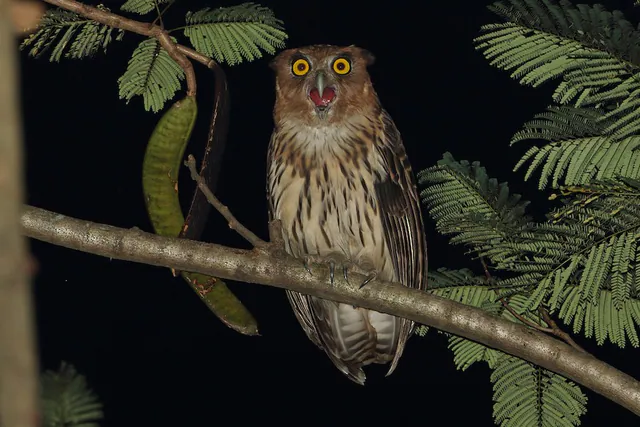
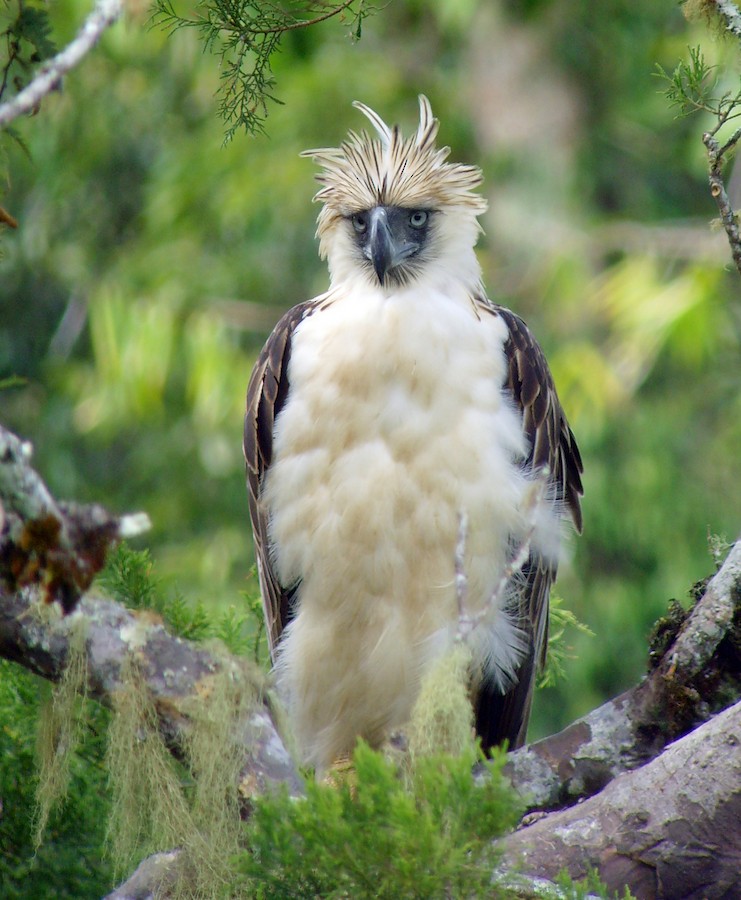
The Philippine Eagle, known scientifically as Pithecophaga jefferyi, was first described by British explorer John Whitehead in 1896. Often referred to as the monkey-eating eagle, it is endemic to the Philippine archipelago and represents one of the largest and most powerful raptors in the world. Evolutionarily, its broad, rounded wings and long tail were refined by nature to provide exceptional maneuverability while hunting within the dense, multi-layered forest canopies of the islands.
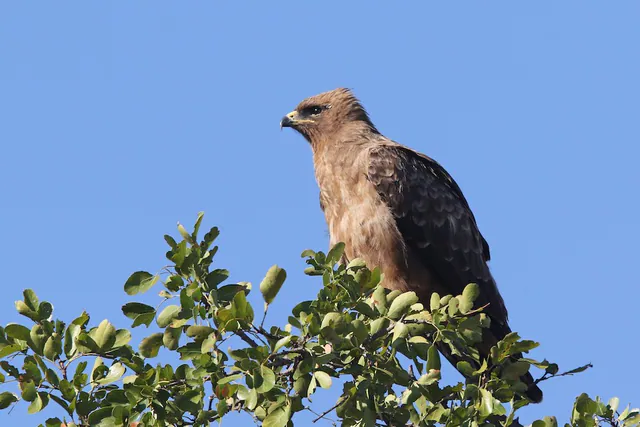
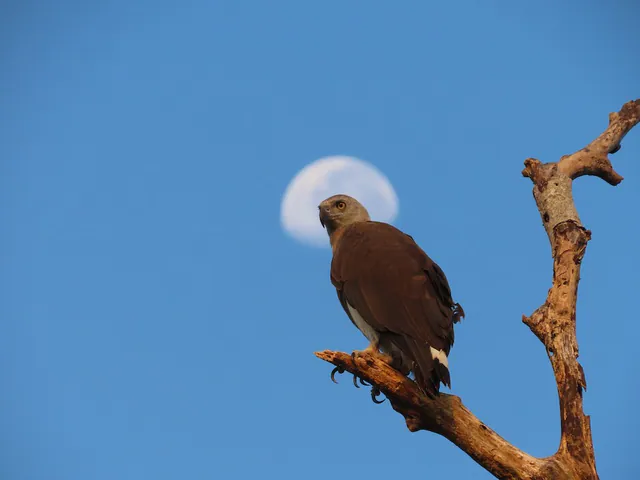
The species was officially designated as the national bird of the Philippines by President Fidel V. Ramos in 1995 to emphasize its role as a symbol of the nation's biodiversity and environmental heritage. Its survival has long been the focus of intense conservation efforts, as it is classified as critically endangered due to the rapid destruction of its primary forest habitats. Its biological design, characterized by a striking shaggy crest and deep, piercing eyes, has made it a focal point for international ornithological study and a critical indicator of tropical ecosystem health.
Written by Pi, the helpful collecto.rs AI
Who's collecting this
Real birds collectors on collecto.rs who have this in their public collection.
About Philippine Eagle
Philippine Eagle is a bird in the Birdwatching catalog on collecto.rs. Catalog data is sourced from eBird. No public birds collectors track this one yet — adding yours would make you the first on collecto.rs.
How many collectors track Philippine Eagle on collecto.rs?
Philippine Eagle doesn't have any public collectors on collecto.rs yet. Sign up to add it and become the first.
Can I track my own copy of Philippine Eagle?
Yes. collecto.rs is free — sign up to log your bird, upload photos, record condition, edition, and acquisition cost, and connect with other birdwatching collectors. Your collection stays private by default.
Where does the Philippine Eagle catalog entry come from?
The catalog entry for Philippine Eagle is sourced from eBird. Catalog-level facts stay consistent across every collector; your own data (condition, edition, acquisition notes) is yours.
Is collecto.rs birds tracking free?
Yes. Tracking your birds is free — no paid tier required to catalog items, upload photos, or share your collection.
Track every bird you own
Free. Fun. Collection photos, notes, organization, value tracking, friends — all in one place.
Sign up free